






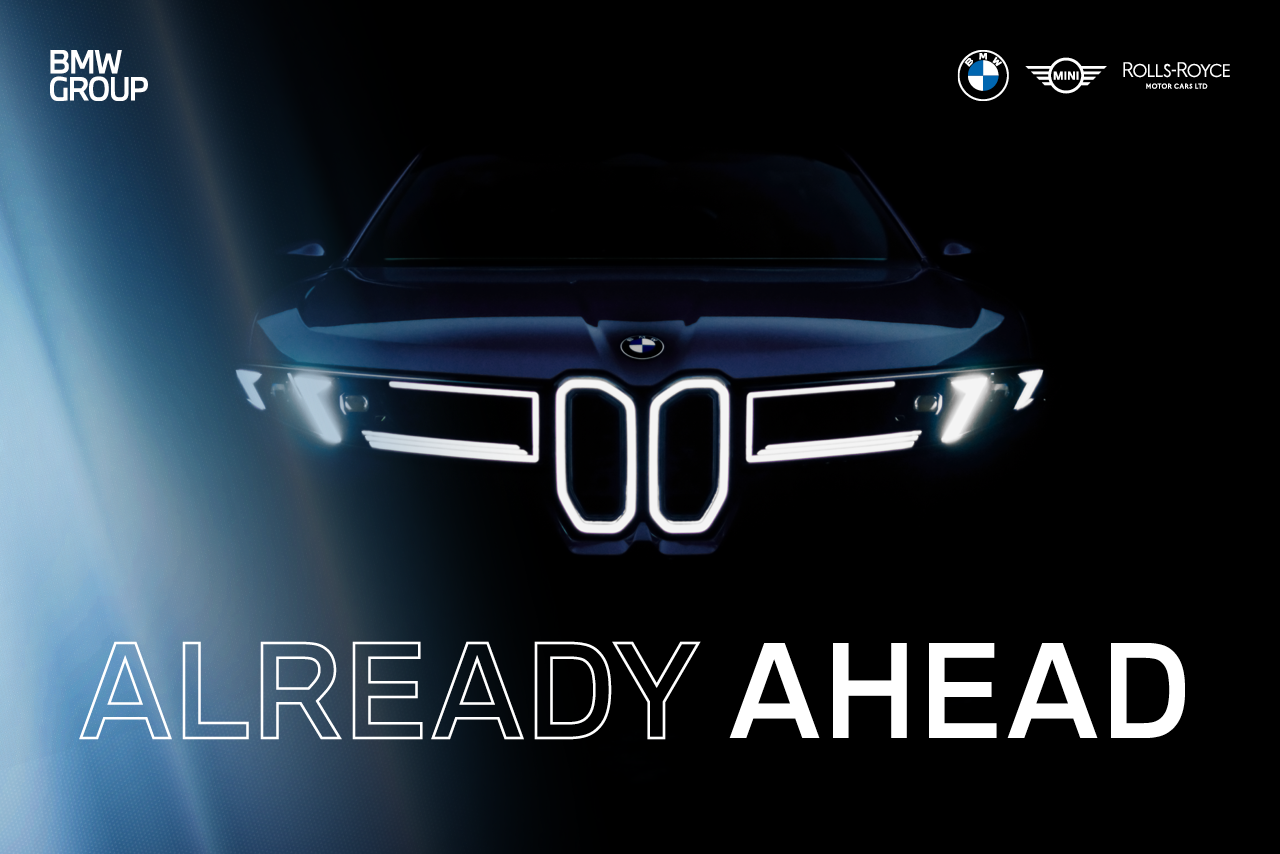
A vehicle’s sustainability is shaped long before it reaches the road – and continues long after its use phase. It begins with design decisions that enable reuse and recycling, continues with responsible material choices and production processes, and extends to the quality of the environment occupants experience inside the vehicle. Four examples show how the BMW Group applies its holistic sustainability approach across the entire vehicle lifecycle: from dismantling expertise and direct battery recycling to interior air quality and the new BMW X5, where many of these measures come together in a series vehicle.

Responsibility & Sustainability
24.08.2026
5 MIN
From the first sketch to recycling: The holistic sustainability approach of the BMW Group.
Where does the knowledge come from to take a car apart?
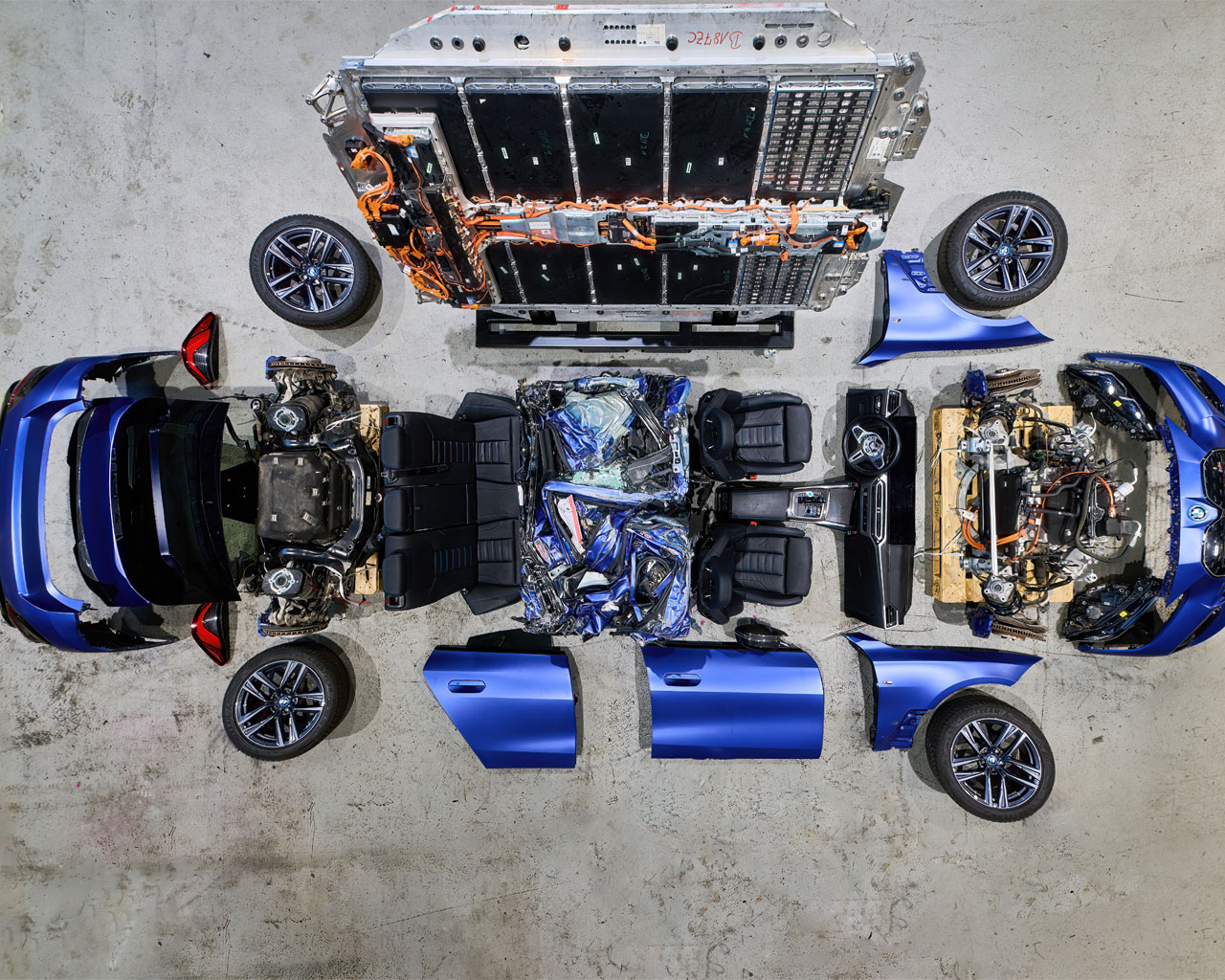
The BMW Group Recycling and Dismantling Center in Unterschleißheim near Munich has been dismantling vehicles since 1994 – primarily pre-series cars and one-offs from testing and development that never receive road approval. The purpose is analysis rather than disposal. A modern vehicle holds between one and a half and three kilometres of cable, most of it copper; other components are rich in aluminium, and the catalytic converter contains platinum, rhodium, and palladium.
Every dismantling step feeds back into design: how components need to be built so they can be reused, repaired, remanufactured or separated cleanly by material type. The individual steps are documented in a cross-manufacturer database and shared with recycling partners worldwide, because a circular economy depends on the businesses at the end of the chain being able to recover parts and materials economically.

How do battery materials get back into new cells?
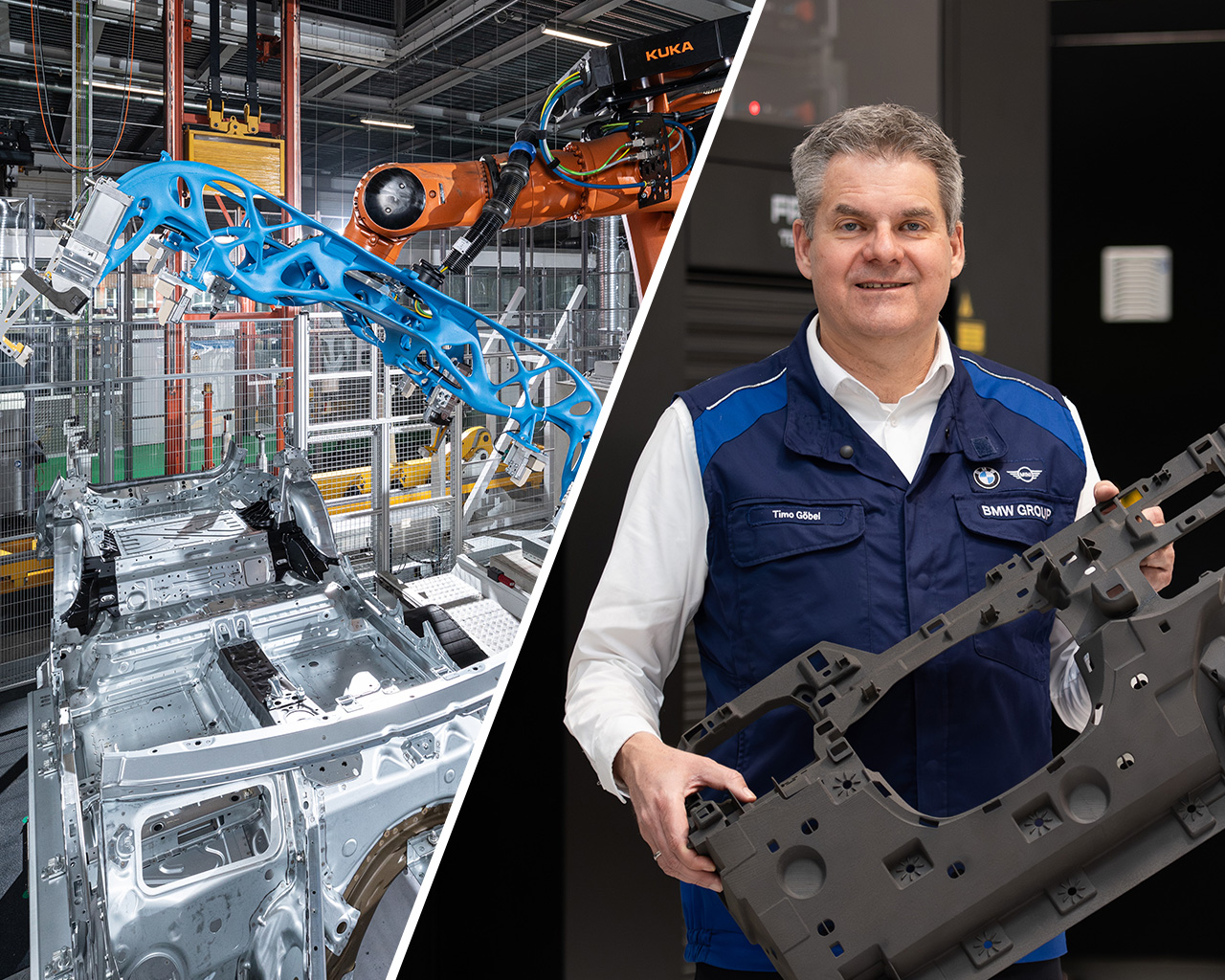
Conventional processes break used battery cells down into their basic constituents using energy-intensive chemical or thermal treatment. At the Cell Recycling Competence Center in Salching, Lower Bavaria, the materials are processed mechanically instead and returned directly to cell production. The center handles residues from cell manufacturing as well as complete cells from pilot production and, at full capacity, will recover tens of tonnes of cell material a year.
That material goes straight back to the Cell Manufacturing Competence Center in Parsdorf. Three Bavarian sites now build on one another: cells are developed in Munich, piloted and scaled in Parsdorf, and returned to the material cycle in Salching. The center is operated by Encory, a joint venture between the BMW Group and the Interzero Group, while the intellectual property for the direct recycling method remains with the BMW Group – with the longer-term prospect of cell manufacturers adopting the process in series production.
Our direct recycling process puts us at the forefront of the industry and has tremendous potential to further optimise battery cell production.


Why is interior air quality part of product sustainability?
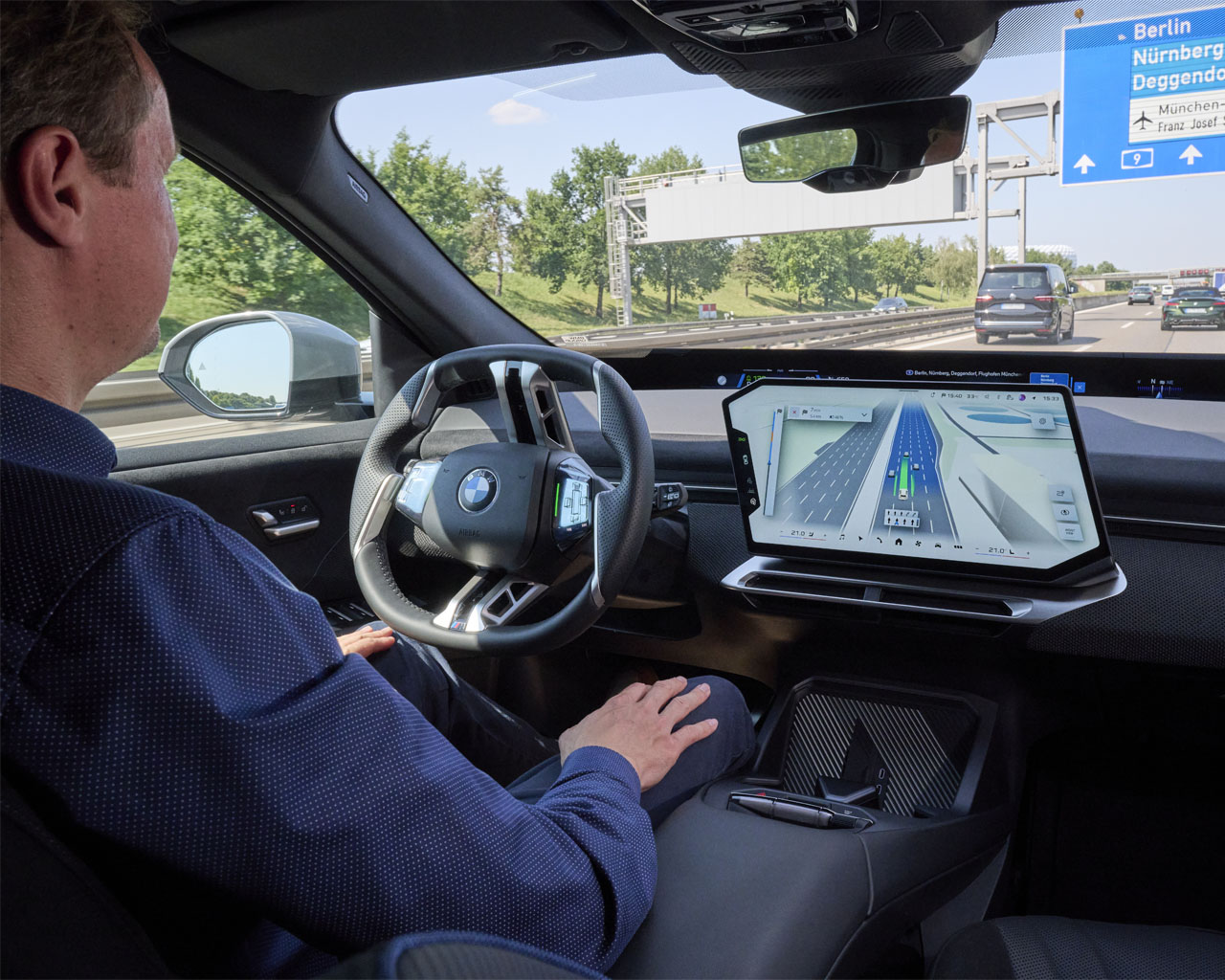
For the BMW Group, health and wellbeing are integral to product sustainability. By minimising harmful emissions and selecting high-quality materials, the company acknowledges its responsibility for the health of its customers. Interior air quality is therefore a key element of its holistic sustainability approach across the entire vehicle lifecycle: emissions from materials, together with factors such as temperature and humidity, can affect how occupants experience the vehicle interior. That is why materials, components and complete interiors are systematically tested and evaluated at the company’s own odour laboratory.
For more than 25 years, the BMW Group has used in-house testing methods to analyse emissions and odours in vehicle interiors. Findings from toxicology, health and sensory research are continuously reflected in internal standards. Managing scent is part of this approach: the aim is an interior scent that is authentic, discreet and high-end, while artificial fragrances are deliberately avoided.
Health and well-being are an integral part of product sustainability for us. Environmental factors and a growing health awareness are changing how we perceive our living spaces – including our cars. Our customers expect products that are designed to take their health and well-being into account. That is why interior air quality is a key product feature in our holistic approach to sustainability.

How does holistic sustainability come together in one vehicle?
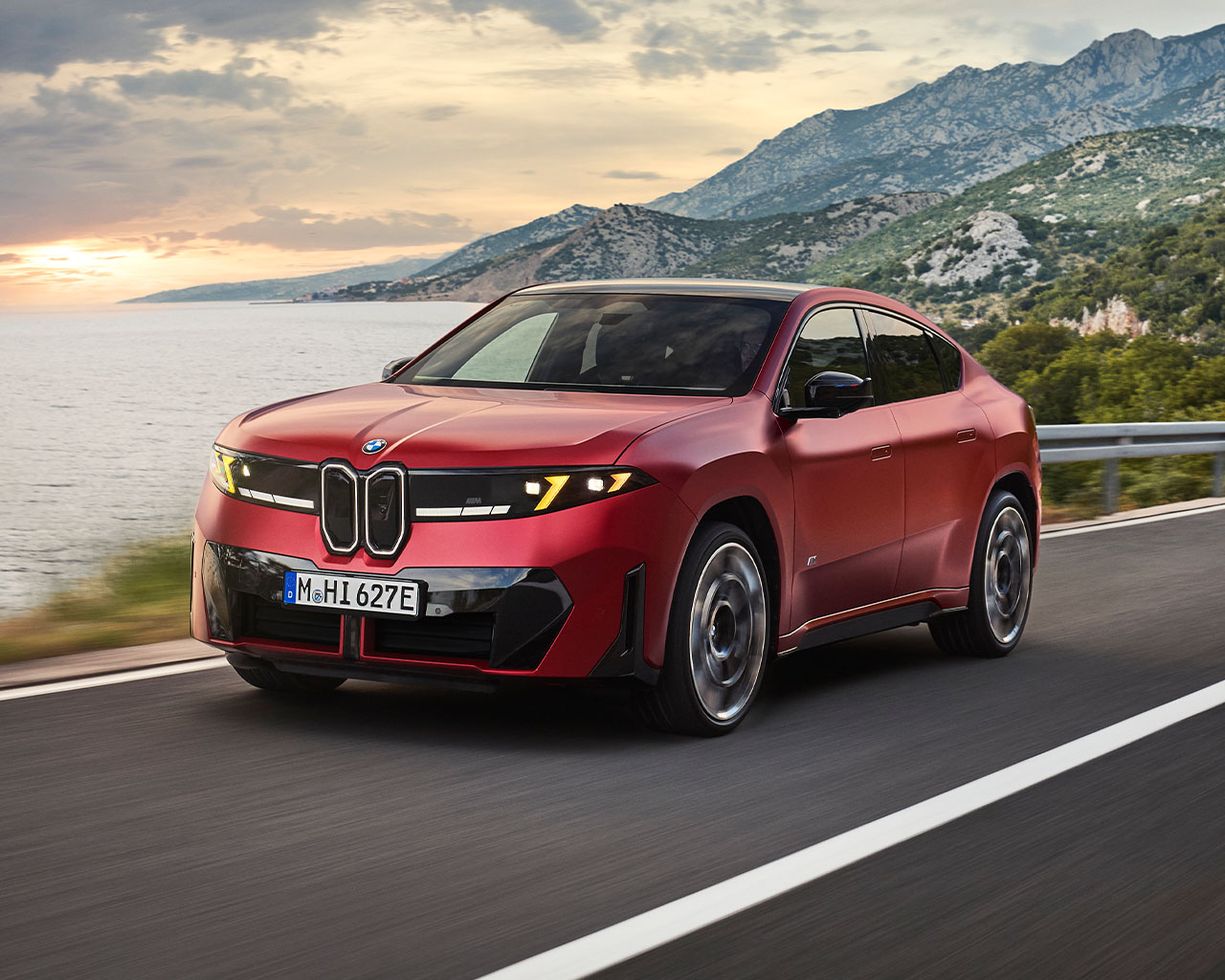
With the new BMW X5, the BMW Group is systematically extending its holistic approach to sustainability to additional vehicle derivatives. This approach applies across all X5 drivetrain variants and aims to further optimise the entire vehicle lifecycle and minimise the vehicle’s carbon footprint – from the supply chain and production through to the use phase and, ultimately, recycling. Key levers include targeted decarbonisation throughout the supply chain, improved efficiency, renewable energy, secondary materials, and product and process innovations. The impact is reflected in the CO₂e reductions achieved during the product development process: Supply chain CO₂e emissions of the BMW X5 were reduced by around 40 percent.
The approach is also reflected in the systematic use of CO₂e-reduced and secondary materials. Around 50 percent of the flat steel used in the BMW X5 is electric arc furnace steel with a high proportion of secondary material, produced using renewable energy. The new BMW X5 also uses secondary raw materials in heavy-duty components, including aluminium suspension components manufactured with renewable energy for both electrolysis and production. The aluminium used for the doors contains 35 percent recycled and closed-loop material from BMW Group Plant Spartanburg’s press shop, while the yarn of the headliner fabric is based on 100 percent recycled PET. In the battery-electric BMW iX5 60 xDrive, around one third of the total vehicle is made up of secondary raw materials, equivalent to 940 kilograms. The Gen6 battery cells used in the high-voltage battery contain secondary cobalt, lithium and nickel; compared with the Gen5 cells used in the BMW iX, their CO₂e emissions are reduced by around 28 percent per watt-hour. To accompany the series launch, the BMW Group will publish a TÜV-validated Product Carbon Footprint for the BMW X5, including the underlying calculation methodology.


Summary
How the BMW Group connects sustainability across the lifecycle.
Taken together, the four examples describe one shift: away from isolated sustainability measures towards a holistic approach across the entire vehicle lifecycle. The Recycling and Dismantling Center supplies the practical knowledge for reuse, repair and recycling, direct battery recycling closes the loop for valuable cell materials, the odour laboratory safeguards health, wellbeing and premium quality inside the vehicle, and the new BMW X5 shows how many of these measures come together in a series vehicle.
Not everything is solved. High-quality material loops require suitable infrastructure, viable business models and processes that meet automotive quality standards. That is why dismantling knowledge is shared with recycling partners worldwide, direct battery recycling is being developed for future series application, interior air quality is systematically tested, and the new BMW X5 demonstrates how these approaches come together in a series vehicle. Today’s vehicles already reflect sustainability considerations across development, production, use phase and recycling; future generations will continue to build on this approach.
FAQ
Frequently asked questions about sustainability at the BMW Group.
Direct battery recycling processes battery cells and production residues mechanically instead of breaking them down into their basic constituents through energy-intensive chemical or thermal treatment. The recovered materials go straight back into cell production, which saves energy, cost and raw materials.
The 4Re strategy is the guiding principle behind the BMW Group’s circular economy and rests on four steps: Re:Think processes, Re:Duce resources, Re:Use materials and Re:Cycle raw materials. It informs decisions from vehicle design and production through to recycling and reuse.
Materials and surfaces inside a vehicle can release emissions, and temperature and humidity change how the interior is perceived. Because occupants are in direct contact with this environment, the BMW Group has been analysing emissions and odours systematically for more than 25 years and treats health and wellbeing as part of product sustainability.