Bidirectional charging at home: A blue BMW iX3 is connected to a BMW Wallbox Professional on the wall of a house. In the background, an electricity pylon reaches skyward, symbolising energy being returned to the grid.
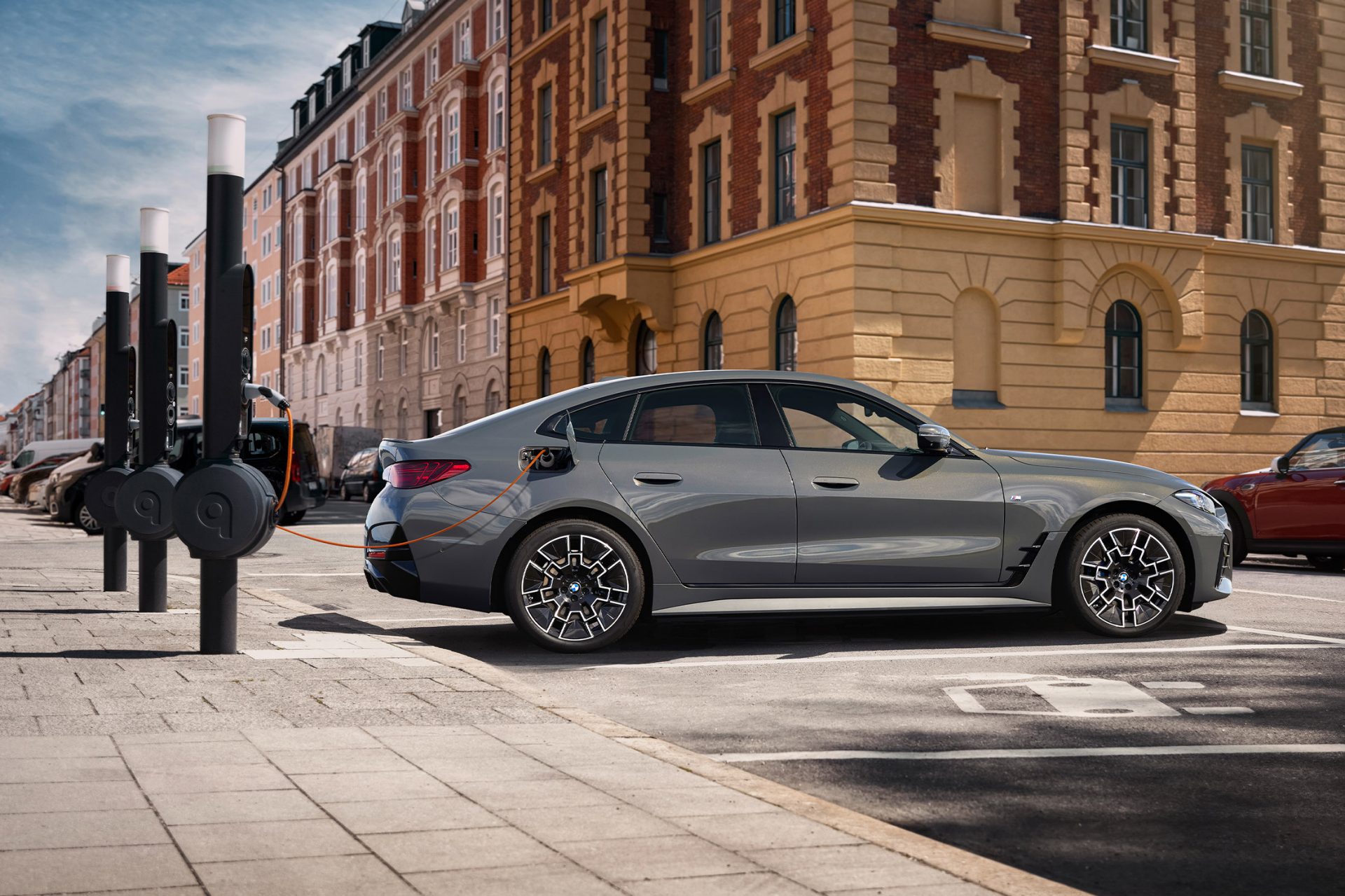
Charging, storing and returning energy to the grid: bidirectional charging enables electric cars not only to draw energy intelligently from the network but also to feed it back in when needed. This turns vehicles into active participants in the energy market, with tangible benefits for customers and considerable potential for the overall energy system.
With vehicle-to-grid (V2G) charging, electric cars return energy to the grid, helping to balance peaks in supply and demand by allowing their high-voltage batteries to act as flexible energy storage units. Customers in Germany are already benefiting from the first commercial V2G offering, launched by the BMW Group in conjunction with the energy provider E.ON.
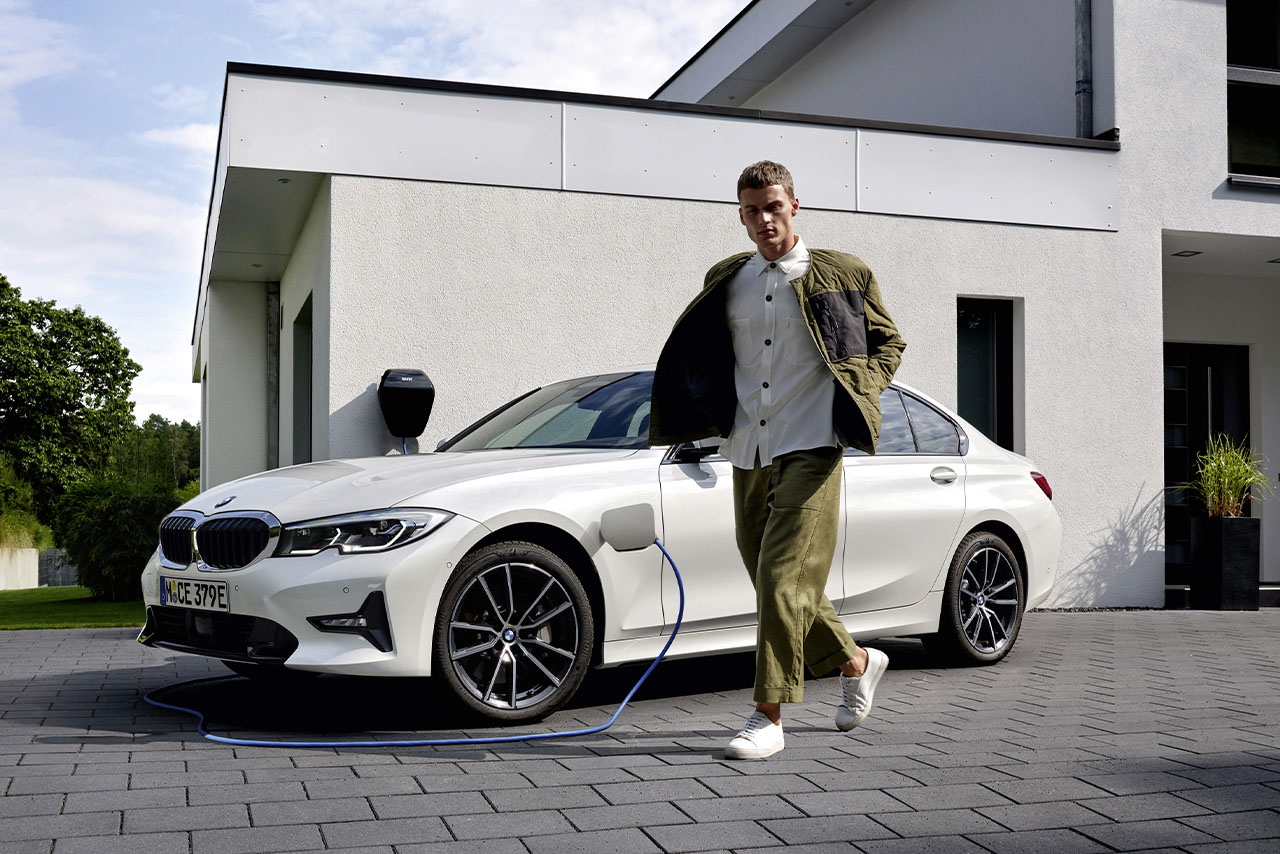
The first model to feature V2G is the new BMW iX3, which can be actively integrated into the public grid via the BMW Wallbox Professional and a special V2G electricity tariff. The benefits for customers are real: simple charging at home that offers potential financial advantages while also contributing to the energy system of the future.
Vehicle-to-home (V2H) charging extends the same principle to the home, where an intelligent connection between wallbox and house allows electricity to flow not just into the high-voltage battery of the car but also back to the house. There, it can be used to power household consumers, so customers can reduce not just their vehicle charging costs but the overall energy costs of running their home too.
The great advantage of bidirectional charging, then, is that it can not only improve the stability of the electrical grid but also support the integration of energy from renewable sources. Ideally, vehicles charge when plenty of electricity is available and return energy to the grid when it is needed, helping to offset fluctuations in wind and solar energy while also reducing the cost of the energy system in the long term.
One key priority remains, however: customer mobility. Intelligent protective functions ensure the required charging levels are consistently met, yet also keep the battery operating within a range that will help to prolong its life.
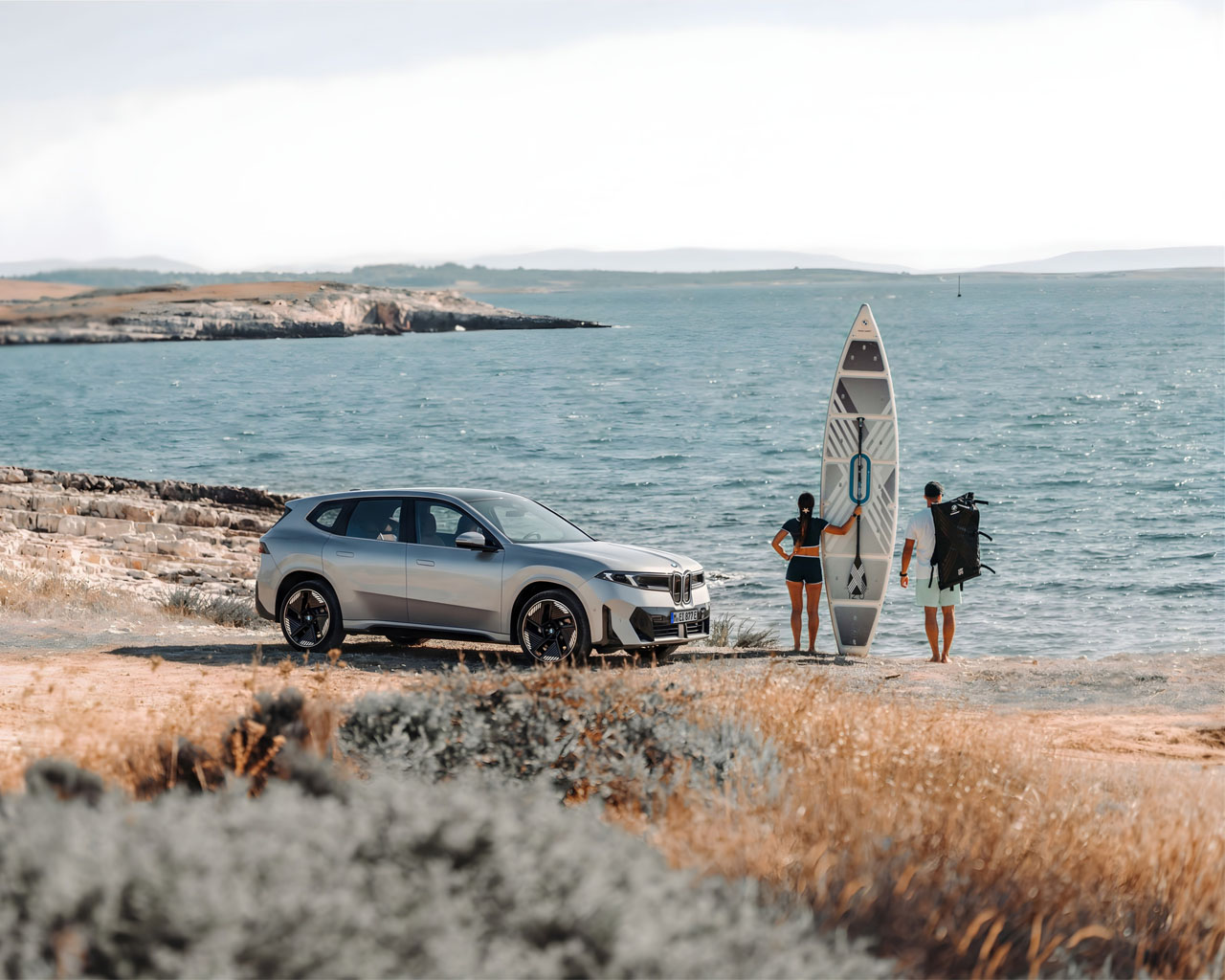
Vehicle-to-load (V2L) charging offers even more ways of using energy from the car: it can directly power multiple external devices – practically, flexibly and far beyond driving.