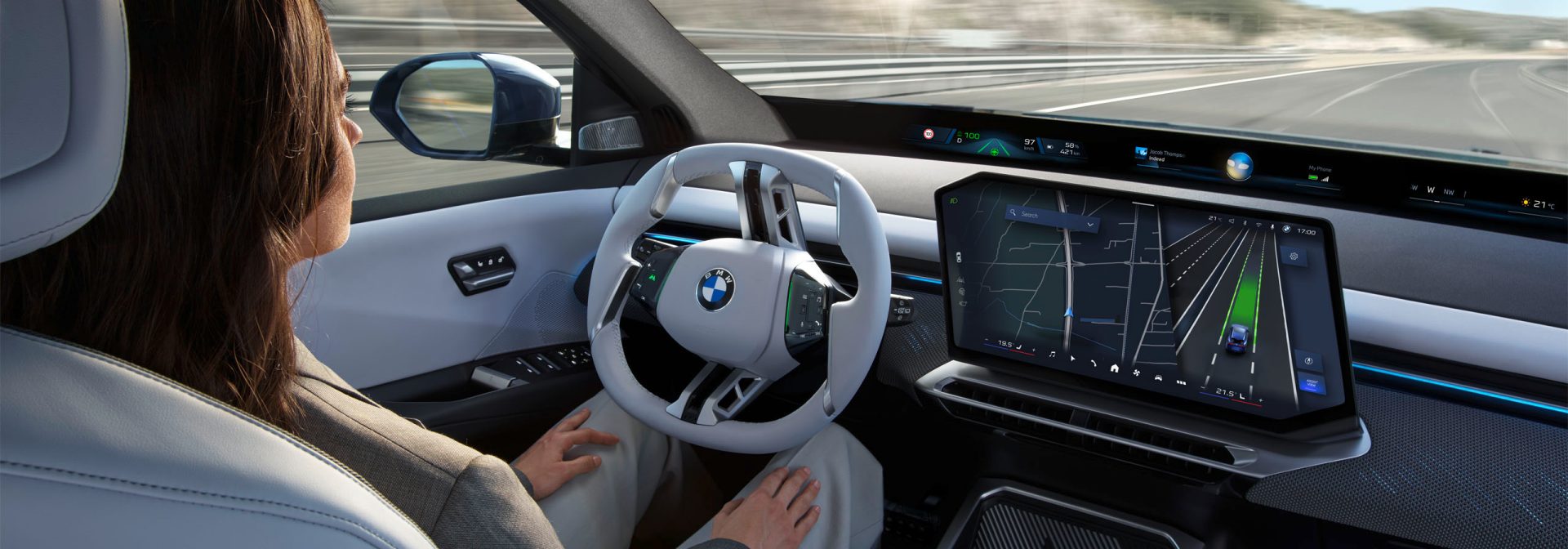







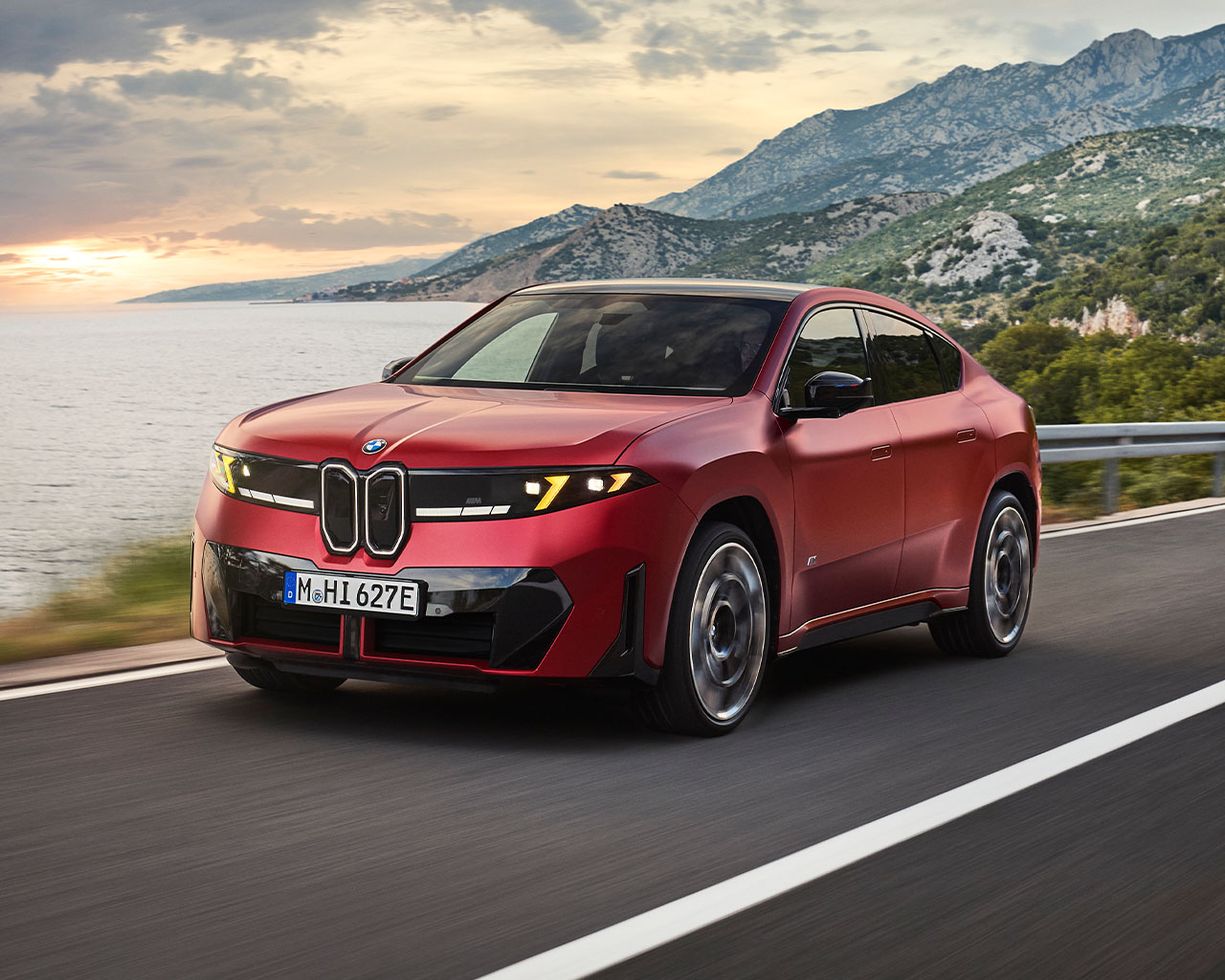
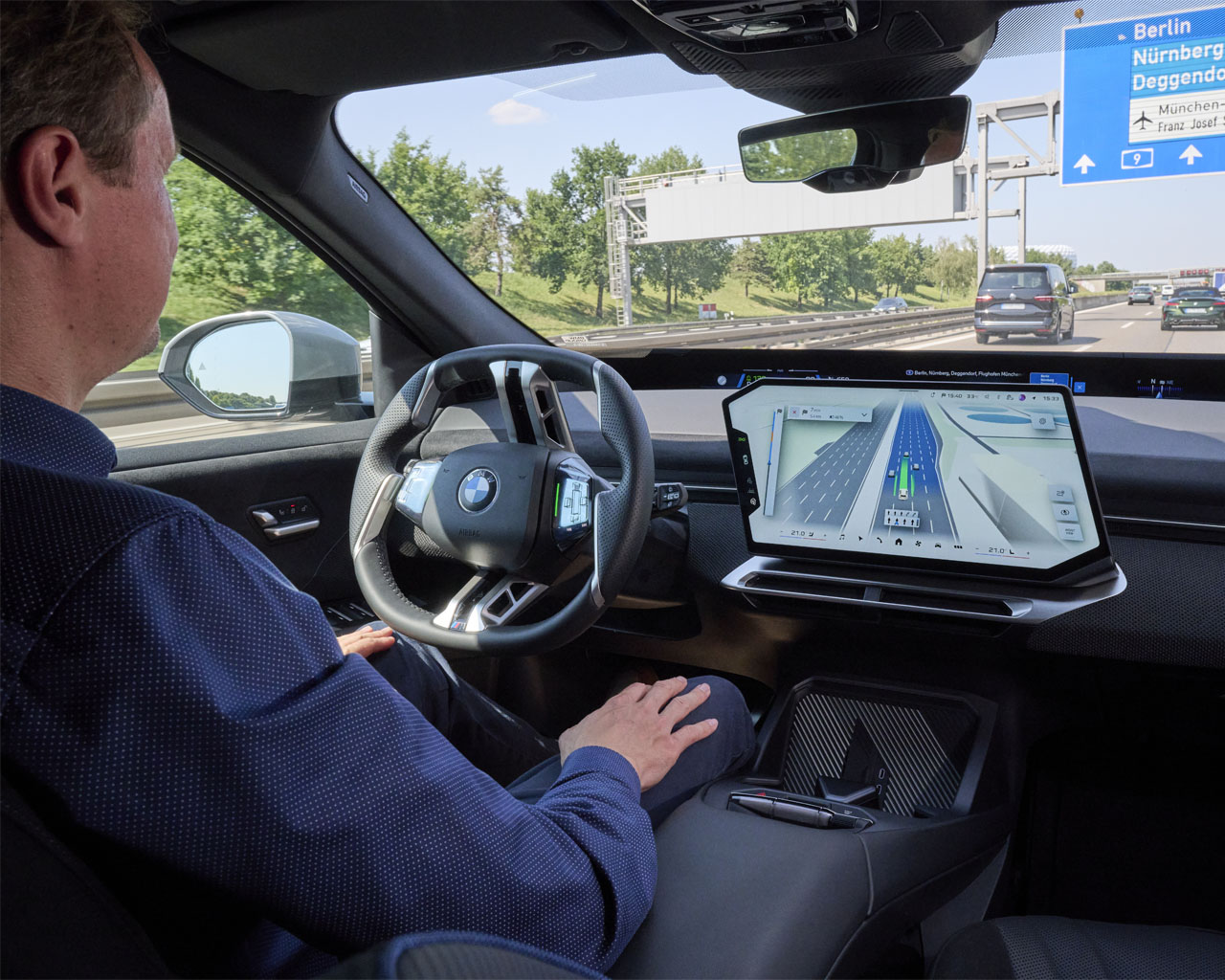
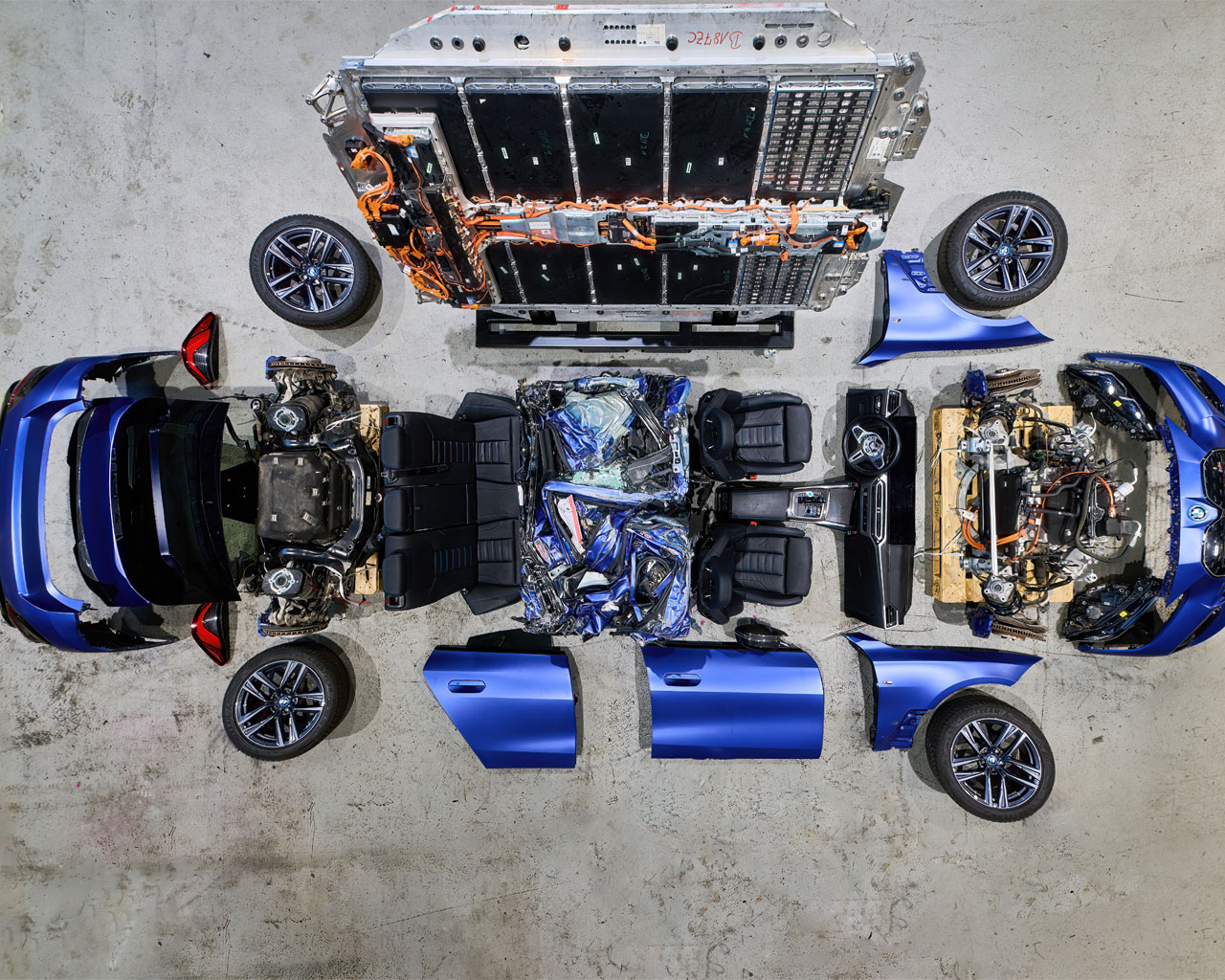


As it advances future mobility, the BMW Group is establishing and developing new drive technologies. So, as well as enhancing its existing solutions, it is also researching new ones. Given our focus on sustainability, the spotlight is very much on electric drives, and with the launch of the Neue Klasse, we will be gearing up for a fully electric portfolio. While electromobility using battery electric vehicles is already established as standard, hydrogen technology has the potential to play an important role on the road to decarbonization.
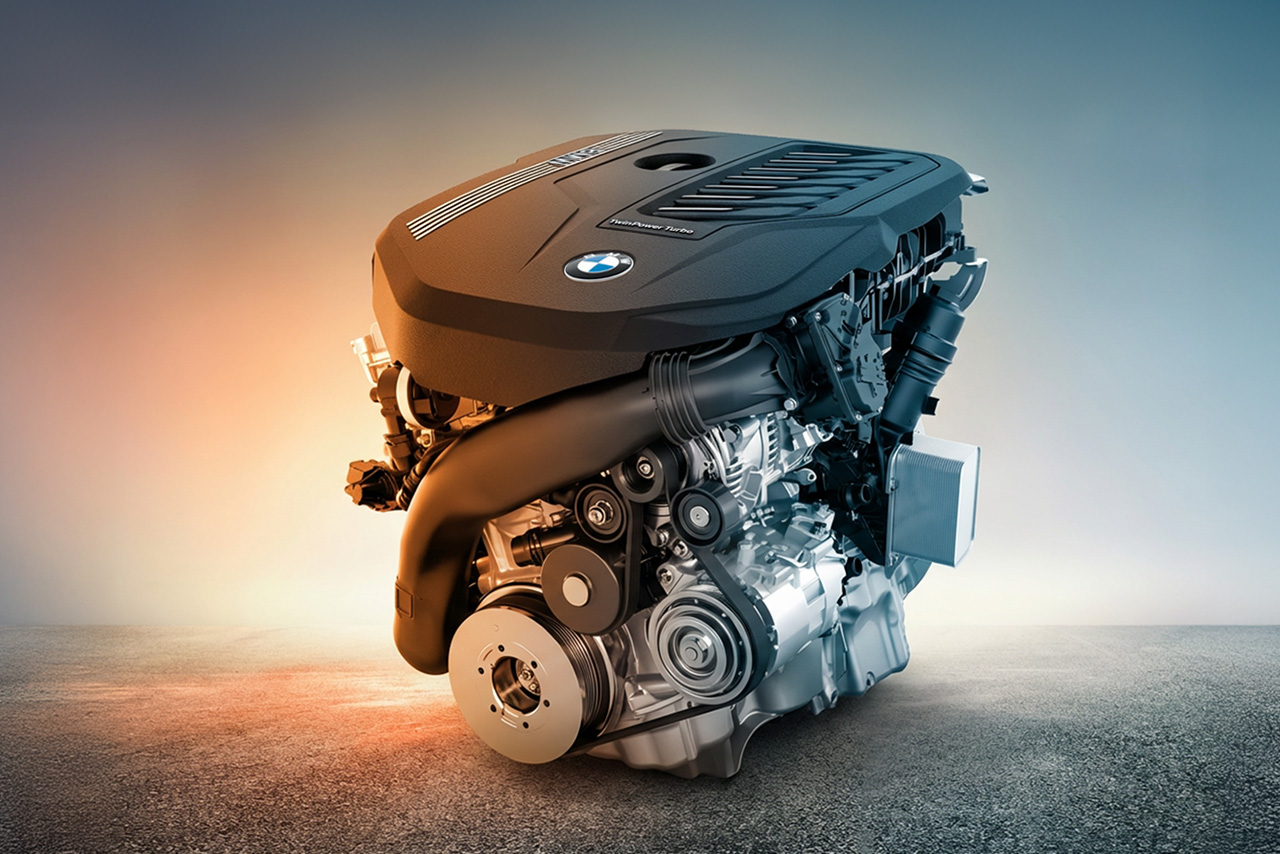
Renewable fuels and highly efficient engines.
BMW Group engines are among the most efficient in their class, combining low fuel consumption and emissions with superior performance and our signature sheer driving pleasure. It’s all made possible by intelligent technologies such as BMW TwinPower Turbo, fully variable valve control, optimised combustion and our 48-volt mild-hybrid systems.
At the same time, we are increasingly preparing our engines for renewable fuels such as e-fuels and HVO100 – a key component in our technology-open approach for more climate protection.
Electric drives.
At the BMW Group, the future of mobility is electric. BMW eDrive technologies and Efficient Dynamics are at the very heart of our premium vehicles, because when it comes to dynamic driving, more powerful electric motors and increased-capacity energy storage are fundamental, while maximum torque ensures fast acceleration right from the get-go.


Hydrogen fuel cell technology.
Technology openness and a broad range of diverse products are key to the BMW Group’s success. By integrating fuel cell technology into the new BMW X5, we are expanding our product offering with an additional drivetrain option and making the benefits of hydrogen tangible for our customers. The new BMW iX5 Hydrogen will offer electric driving with zero local emissions and combine extensive range with short refuelling times – for added flexibility every day..
Future refuelling and charging infrastructure.
To keep new drive technologies for passenger cars developing at pace, an extensive and comprehensive refuelling and charging infrastructure is needed.
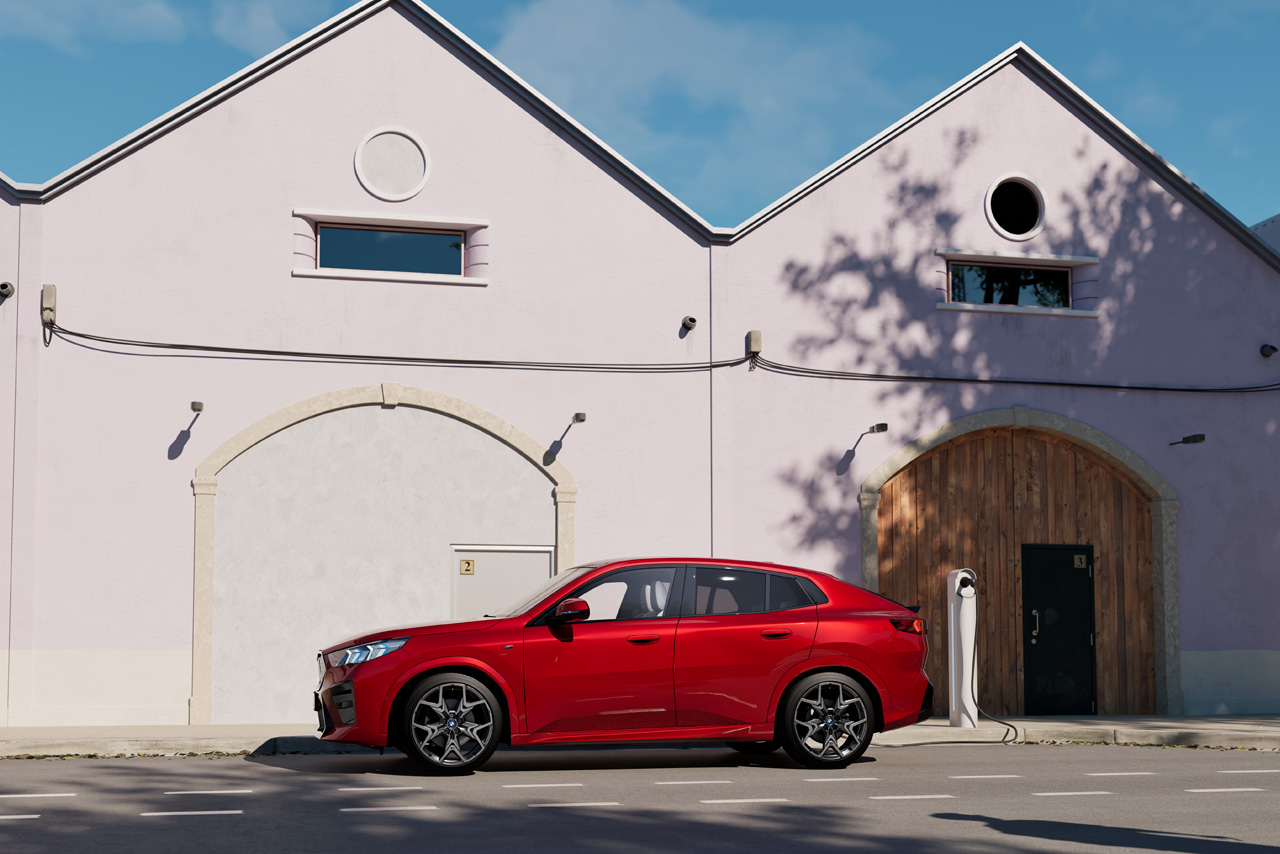
Electric charging.
Over the last few years, the number of charging stations for battery electric vehicles has soared, with more than 75,000 normal chargers available to the German public alone – and over 15,000 fast-chargers. By 2030 the number of charging points is expected to reach a million, offering widespread coverage in urban areas especially. The BMW Group is focusing on expanding the infrastructure and increasing charging speeds, and developing services for customer-friendly charging – anywhere.