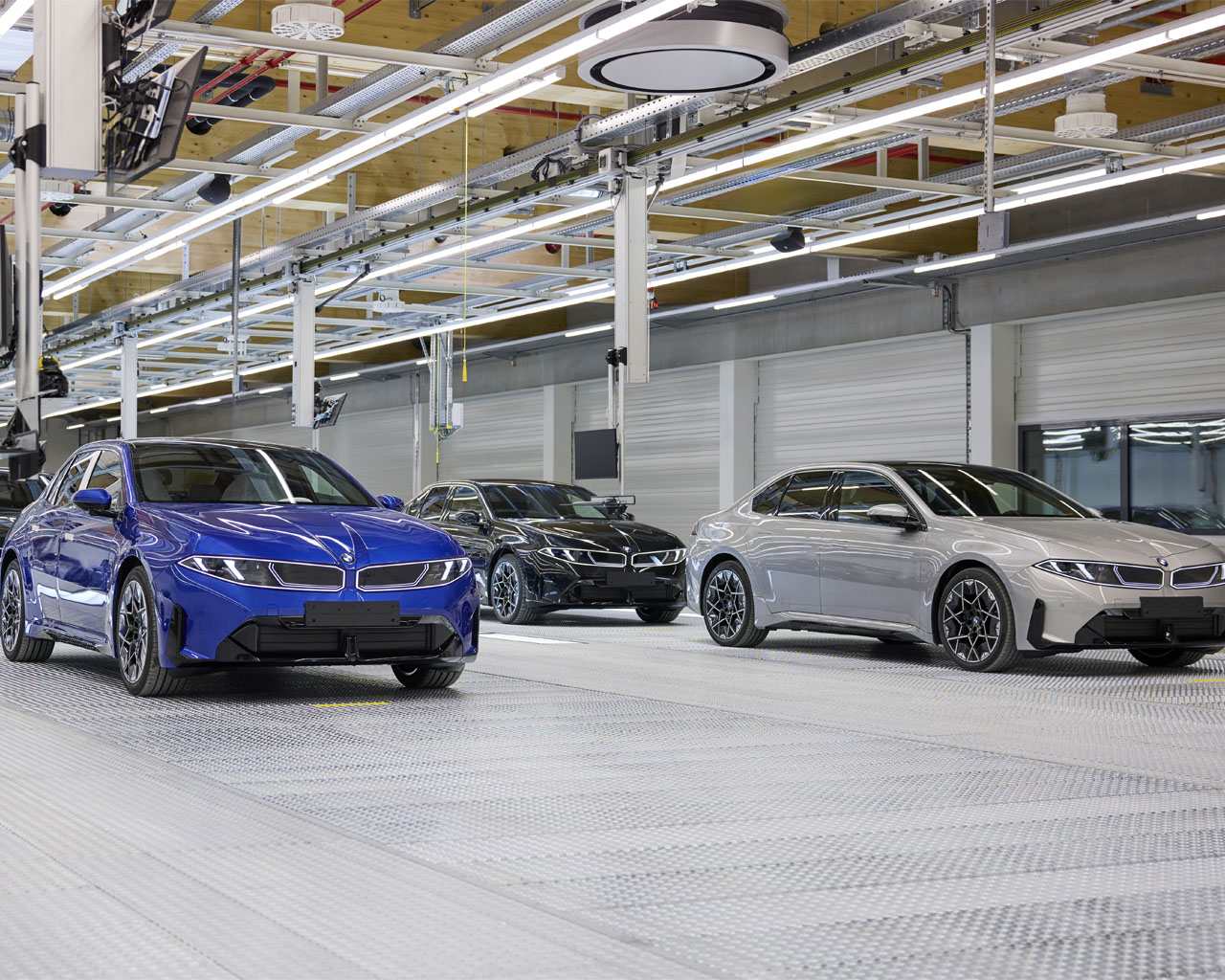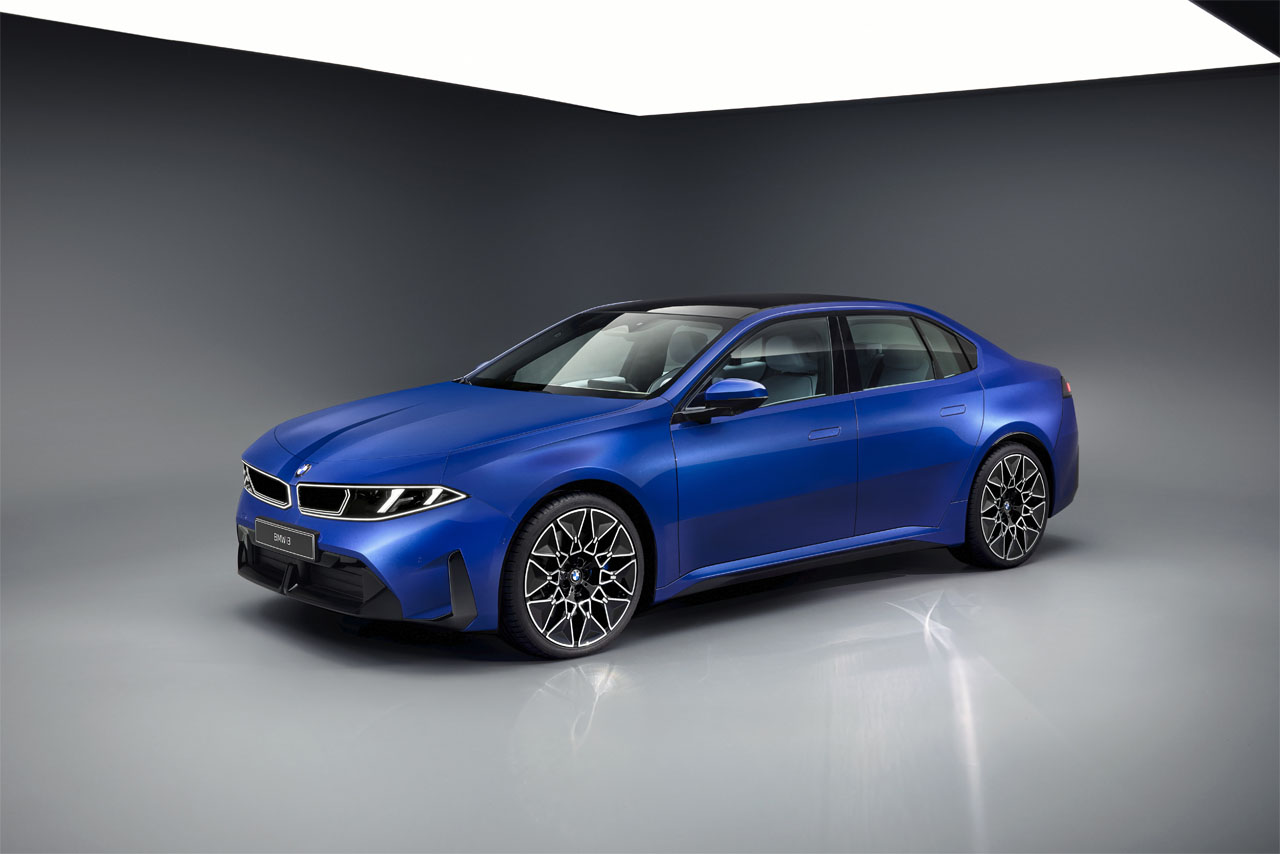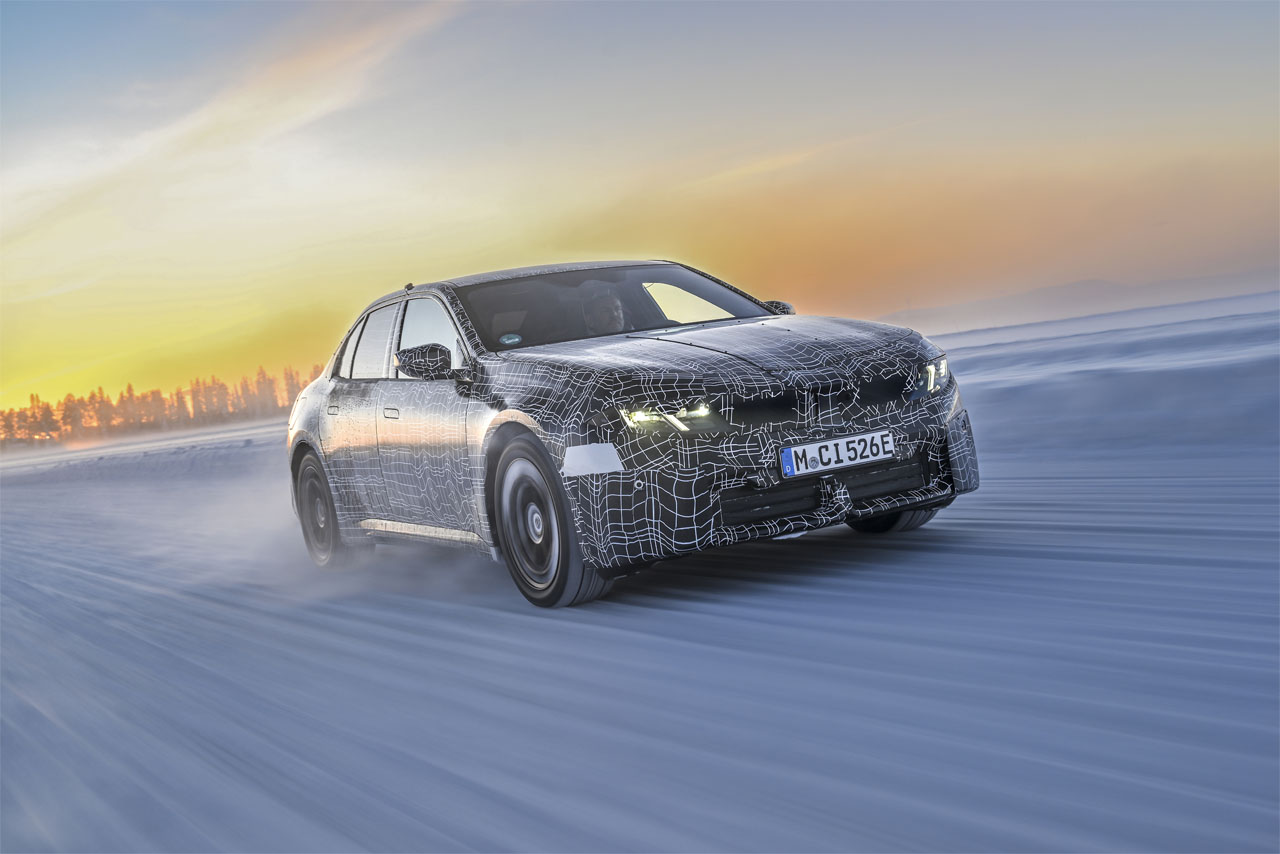







For more than 50 years, the BMW 3 Series has embodied sporting driving pleasure and unrelenting technical progress. The new BMW i3 marks the arrival of the first fully electric BMW 3 Series based on the Neue Klasse. It is joined by new models with highly efficient petrol engines and 48V mild hybrid technology, including the range-topping BMW M350 xDrive. Two drive systems, one ambition: to further refine the familiar character of the BMW 3 Series.

Brands
01.10.2026
7 MIN
The new BMW 3 Series: a new era of driving dynamics, design and innovation, whatever the drive system.


Progress with tradition, for more than five decades.
With more than 18 million units sold, the BMW 3 Series is the BMW brand’s most successful model. Its success story spans more than five decades, and each new generation is dutybound to build on it. The eighth generation takes this story forward with a technological leap: two fully electric models and three combustion-engined variants will be available from launch. A plug-in hybrid drive variant will be added to the line-up over the coming year.
Five variants, two drive systems, one driving pleasure.
Among the combustion-engined models, the BMW 3181 with 115 kW/156 hp marks the entry point, while the BMW 3202 produces 155 kW/211 hp. Both four-cylinder models feature the latest generation of BMW TwinPower Turbo technology and a 48V mild hybrid system that provides assistance when pulling away and accelerating and stores energy recovered under braking.
At the top of the range is the BMW M350 xDrive3. Its 3.0-litre six-cylinder in-line engine, together with the 48V system, generates 326 kW/443 hp and 580 Nm (428 lb-ft) of torque. It accelerates from 0 to 100 km/h (62 mph) in 4.1 seconds and reaches an electronically limited top speed of 250 km/h (155 mph). In doing so, the M350 xDrive also marks the entry point into the world of BMW M.
Among the fully electric models, the BMW i3 50 xDrive4 produces 345 kW/469 hp and accelerates from 0 to 100 km/h (62 mph) in 4.7 seconds. Its range extends to up to 912 kilometres (567 miles). The BMW i3 40 xDrive5 develops 275 kW/374 hp and offers a range of up to 710 kilometres (441 miles). Thanks to 800V technology, the BMW i3 50 xDrive can charge at up to 400 kW, while the BMW i3 40 xDrive supports charging rates of up to 300 kW.


The new generation of BMW EfficientDynamics engines.
The latest petrol engines all feature the Miller combustion cycle. This shortens the opening times of intake valves to improve air-fuel ratio across all operating points and reduce fuel consumption. Meanwhile, the latest-generation Valvetronic system reduces engine drag torque by approximately 66 percent. This allows more brake energy to be recovered and stored in the 48V battery for later use, including for brief periods of purely electric driving.
Compared with its predecessor, the BMW M350 xDrive delivers an additional 51 kW/69 hp of power while meeting the most stringent emissions standards. The BMW 320 also benefits from increased performance, with an extra 20 kW/27 hp. From launch, all combustion-engined variants comply with the new EU7 emissions standard, which for the first time also includes limits on particulate emissions from brake abrasion.
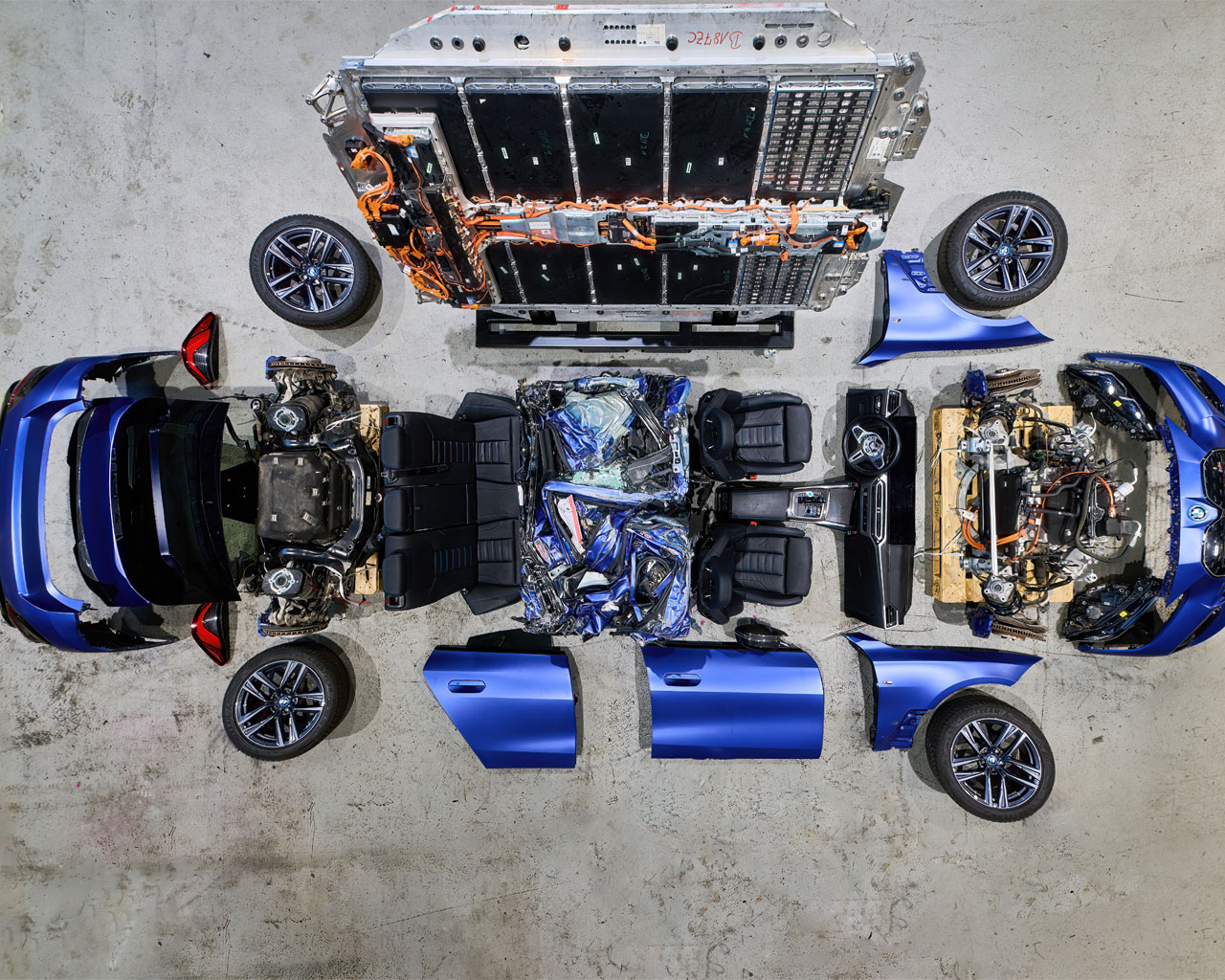
With its sixth-generation BMW eDrive technology – including an 800V architecture and a completely redesigned high-voltage battery comprising cylindrical cells for the first time – the BMW i3 delivers approximately 30 percent more range and charging performance than its predecessor. It also offers bidirectional charging.

Sheer Driving Pleasure: what’s inside the new BMW 3 Series?
In the combustion-powered models, the drive, braking and steering are coordinated by a dedicated and highly sophisticated BMW driving stack to match the engine precisely. In the fully electric BMW i3, equivalent coordination is carried out by the Heart of Joy, one of the four ‘superbrains’ featured in the Neue Klasse. In combination with the BMW Dynamic Performance Control driving stack, the Heart of Joy operates ten times faster than previous systems. Both driving stacks are specially tailored, high-end solutions that contribute to the hallmark characteristics of the BMW 3 Series, whether for petrol or electric drives.
BMW has also further refined the chassis for the new generation. Wider tracks and re-tuned steering now offer greater agility as standard. Adaptive Suspension and Adaptive M Suspension are available as options, except in the BMW M350 xDrive, where Adaptive M Suspension is standard.
With the new Drift Moment, the new BMW M350 xDrive brings a completely new kind of driving experience to the road. By activating the function via the Central Display, the drive from the engine is sent in full to the rear wheels. The Drift Moment will be made available over the course of 2027, at which point it will also be activated – via Remote Software Upgrade – in cars already delivered to customers.


Digital user experience with hallmark BMW driver focus.
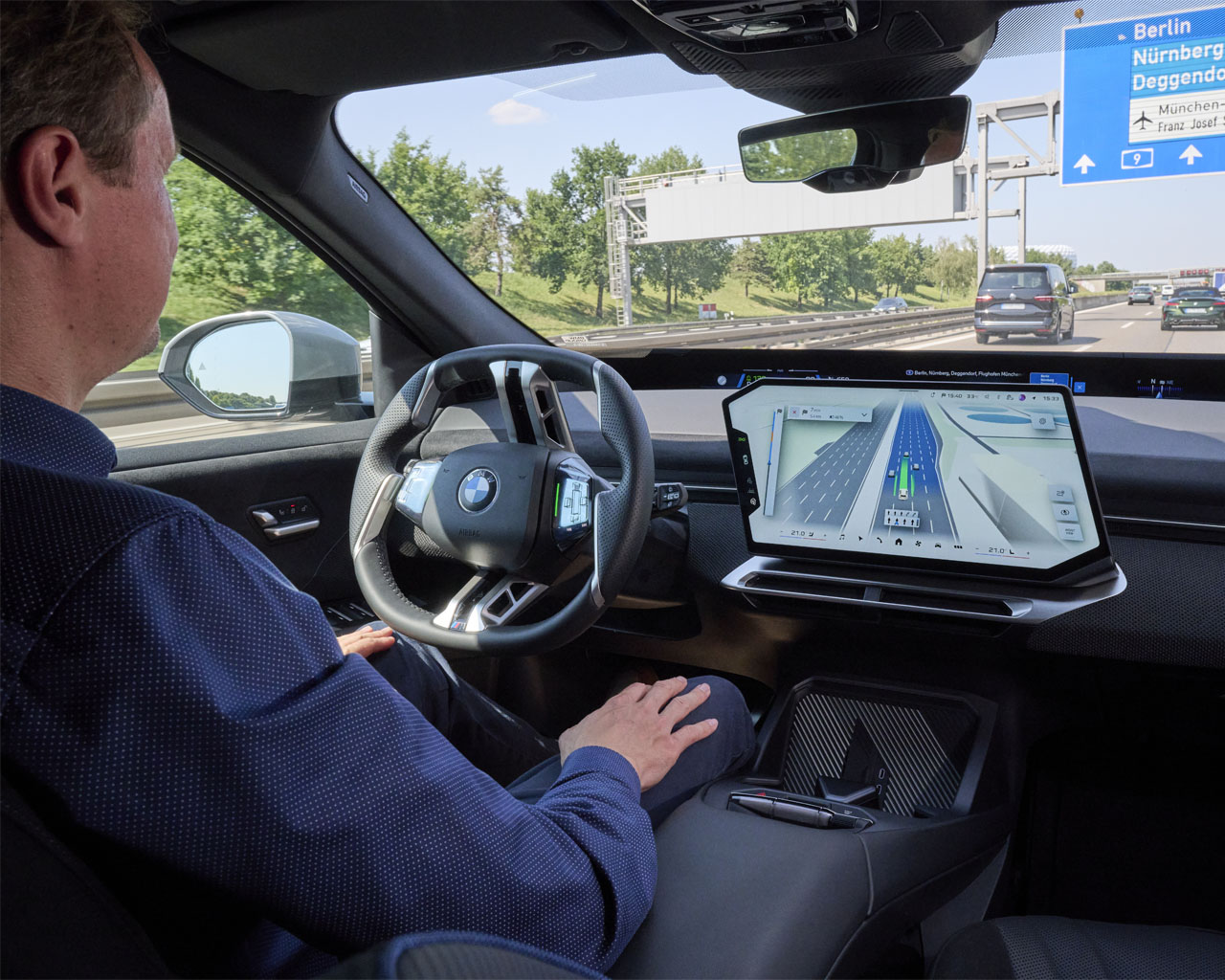
The BMW i3 and the combustion-powered BMW 3 Series all come with the same digital features as standard. These include the BMW Panoramic iDrive with Central Display, the BMW Intelligent Personal Assistant with Alexa+ technology, and advanced driver assistance systems such as the Motorway Assistant for hands-free driving at up to 130 km/h (81 mph) in 21 countries. Their designs and interiors are also largely identical, with only minor differences for technical reasons.

Munich goes electric, comeback in Dingolfing.
“Whether it’s the fully electric Neue Klasse variant with up to 912 kilometres (567 miles) of electric range or highly efficient combustion-engined variants with cutting-edge 48V mild hybrid and plug-in-hybrid drive systems, all the BMW 3 Series models benefit from Neue Klasse innovations in the areas of digitalisation, driver assistance, design and BMW-typical driving pleasure. The result is the best BMW 3 Series of all time,” says Dr Joachim Post, Member of the Board of Management of BMW AG responsible for Development.
The BMW 3 Series therefore stands as compelling proof that Sheer Driving Pleasure is not tied to a single type of drive system. Orders for the new BMW 3 Series Sedan open on 30 September 2026. The fully electric BMW i3 is built at BMW Group Plant Munich, the BMW Group’s home plant. The combustion-engined models are built at BMW Group Plant Dingolfing, the company’s largest manufacturing site in Europe and the workplace of around 18,000 people. The first-generation BMW 3 Series was already being produced here from 1980, the model that helped define the sporting premium mid-size segment.
FAQs about the new BMW 3 Series.
Both belong to the new BMW 3 Series range and share the Neue Klasse design, interior and digital operating system. However, their drive systems differ: the BMW i3 is fully electric, while the combustion-engined BMW 318, BMW 320 and BMW M350 xDrive use highly efficient petrol engines with 48V mild hybrid technology. Chassis tuning and driving dynamics control are also tailored to the respective drive system.
The BMW M350 xDrive produces 326 kW/443 hp and accelerates from 0 to 100 km/h (62 mph) in 4.1 seconds. It marks the entry point into the world of BMW M and is the most powerful combustion-engined model in the new BMW 3 Series range.
The BMW i3 50 xDrive offers a range of up to 912 kilometres (567 miles, WLTP), while the BMW i3 40 xDrive offers up to 710 kilometres (441 miles, WLTP). Both models use 800V technology. At a suitable DC fast-charging station, the BMW i3 50 xDrive can charge at up to 400 kW and add up to 423 kilometres (263 miles)6 of range in ten minutes, while the BMW i3 40 xDrive can charge at up to 300 kW and add up to 337 kilometres (209 miles)6 in the same time.
Yes. It enables hands-free driving on the motorway at up to 130 km/h (81 mph). In many European countries and beyond, it also supports automated lane changes following an eye signal from the driver to confirm and navigation-guided Entry-2-Exit driving with BMW Maps, including navigating motorway junctions.
Yes. Only concept-related necessities result in minimal differences between the combustion-engined BMW 3 Series and the fully electric BMW i3.
All BMW 3 Series models, regardless of the drive system type, offer innovative SAE Level 2 driver assistance systems and active safety functions with significant improvements, functional enhancements and BMW Symbiotic Drive.
Yes. At market launch in Germany, all combustion-engined variants of the new BMW 3 Series comply with the new EU7 emissions standard. For the first time, the standard also regulates particulate emissions from brake abrasion.
Orders for the new BMW 3 Series open on 30 September 2026. The first deliveries are expected around the turn of 2026/2027. The official English press material confirms the order opening date of 30 September 2026.
The fully electric BMW i3 is built at BMW Group Plant Munich, the BMW Group’s home plant. The combustion-engined models roll off the assembly line at BMW Group Plant Dingolfing in Lower Bavaria, the company’s largest manufacturing site in Europe, where they are produced alongside models from the BMW 4 Series and BMW 5 Series.
1 Mandatory information according to German law'Pkw-EnVKV'. Combined fuel consumption: 7.5 l/100 km; Combined CO₂ emissions: 169 g/km; CO₂ class: F
2 Mandatory information according to German law'Pkw-EnVKV'. Combined fuel consumption: 7.5 l/100 km; Combined CO₂ emissions: 169 g/km; CO₂ class: F
3 Mandatory information according to German law'Pkw-EnVKV'.Combined fuel consumption: 8.2 l/100 km; Combined CO₂ emissions: 187 g/km; CO₂ class: G
4 Mandatory information according to German law'Pkw-EnVKV'. WLTP combined energy consumption: 18.0 – 13.4 kWh/100 km; WLTP combined CO₂ emissions: 0 g/km; CO₂ class: A; WLTP electric range: 729 – 912 km.
5 Mandatory information according to German law'Pkw-EnVKV'. WLTP combined energy consumption: 17.9 – 14.3 kWh/100 km; WLTP combined CO₂ emissions: 0 g/km; CO₂ class: A; WLTP electric range: 566 – 710 km.
6 The extra range added after ten minutes of high-power charging was determined in accordance with ISO 12906 in the WLTP cycle and assumes that the charging infrastructure enables the maximum DC charging power. The actual range added and charging performance depend on the vehicle equipment, state of charge/condition of the battery, ambient/battery temperature, driving profile, auxiliary consumers, vehicle-specific charging settings and the charging power provided at the charging station.
All of the equipment features, fuel/electric power consumption and CO₂ figures in this news article refer to the German market. These may vary in other markets.