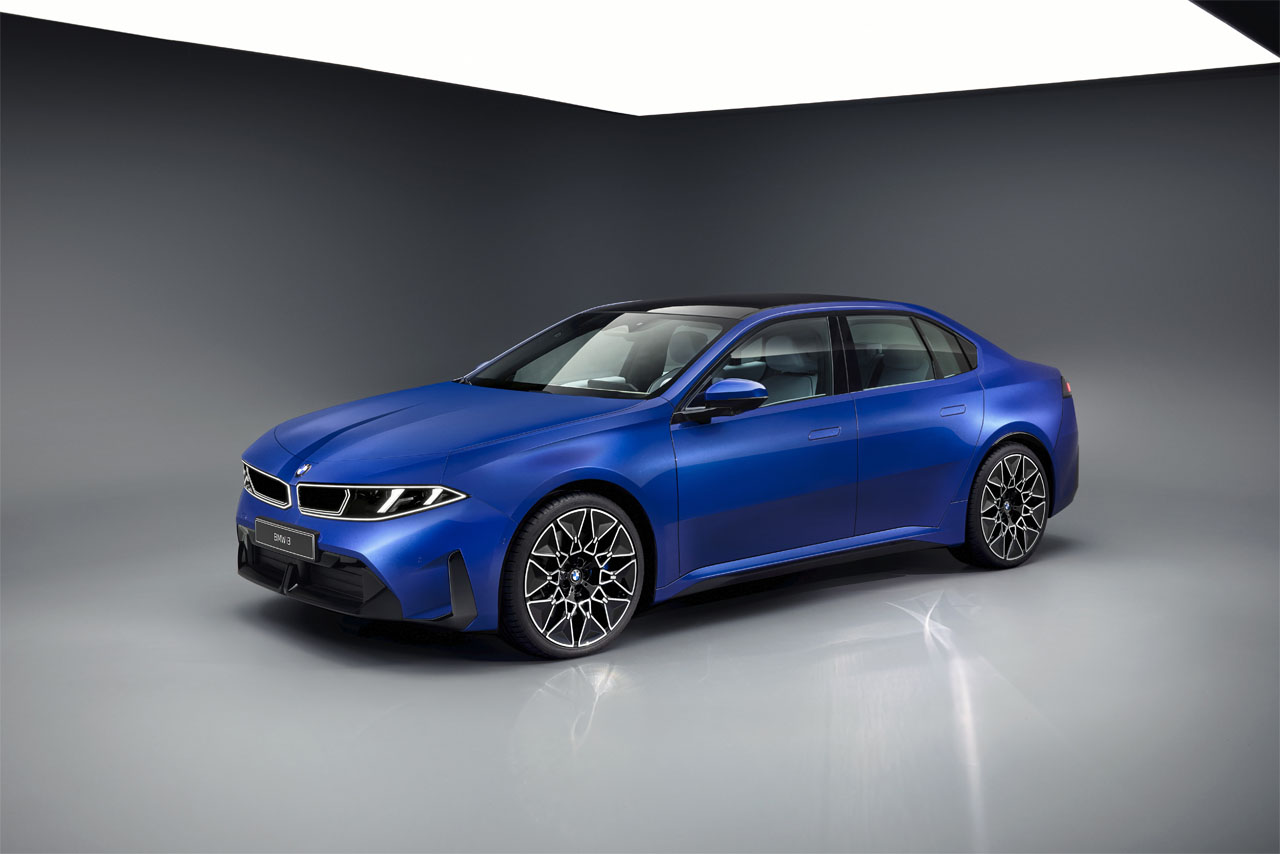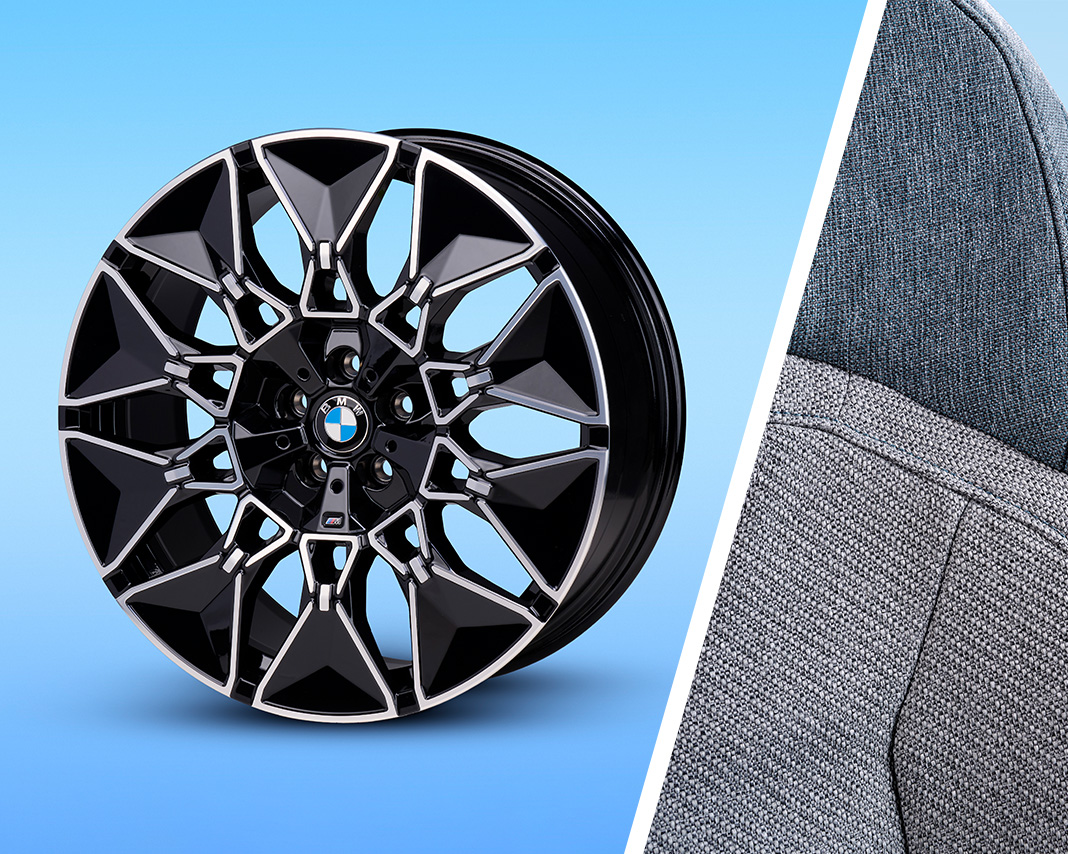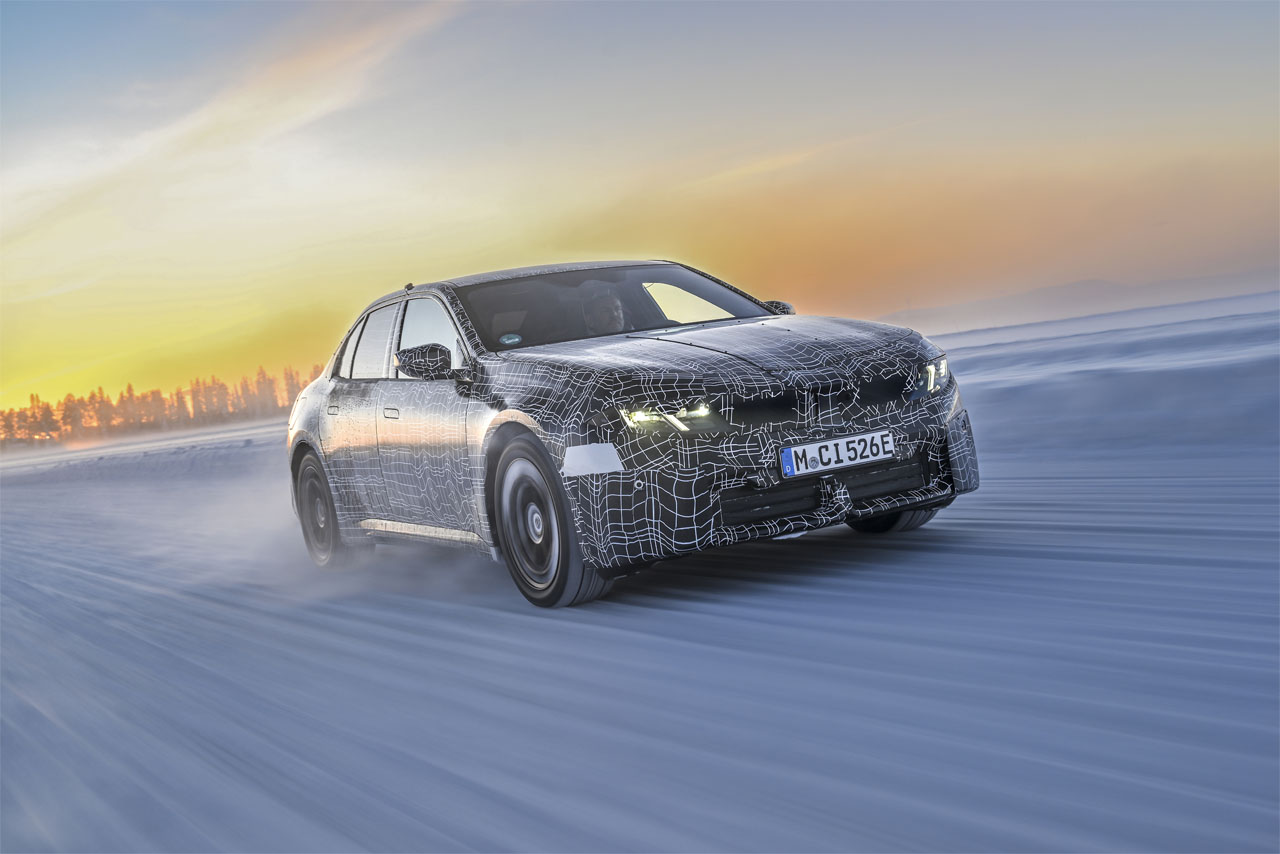







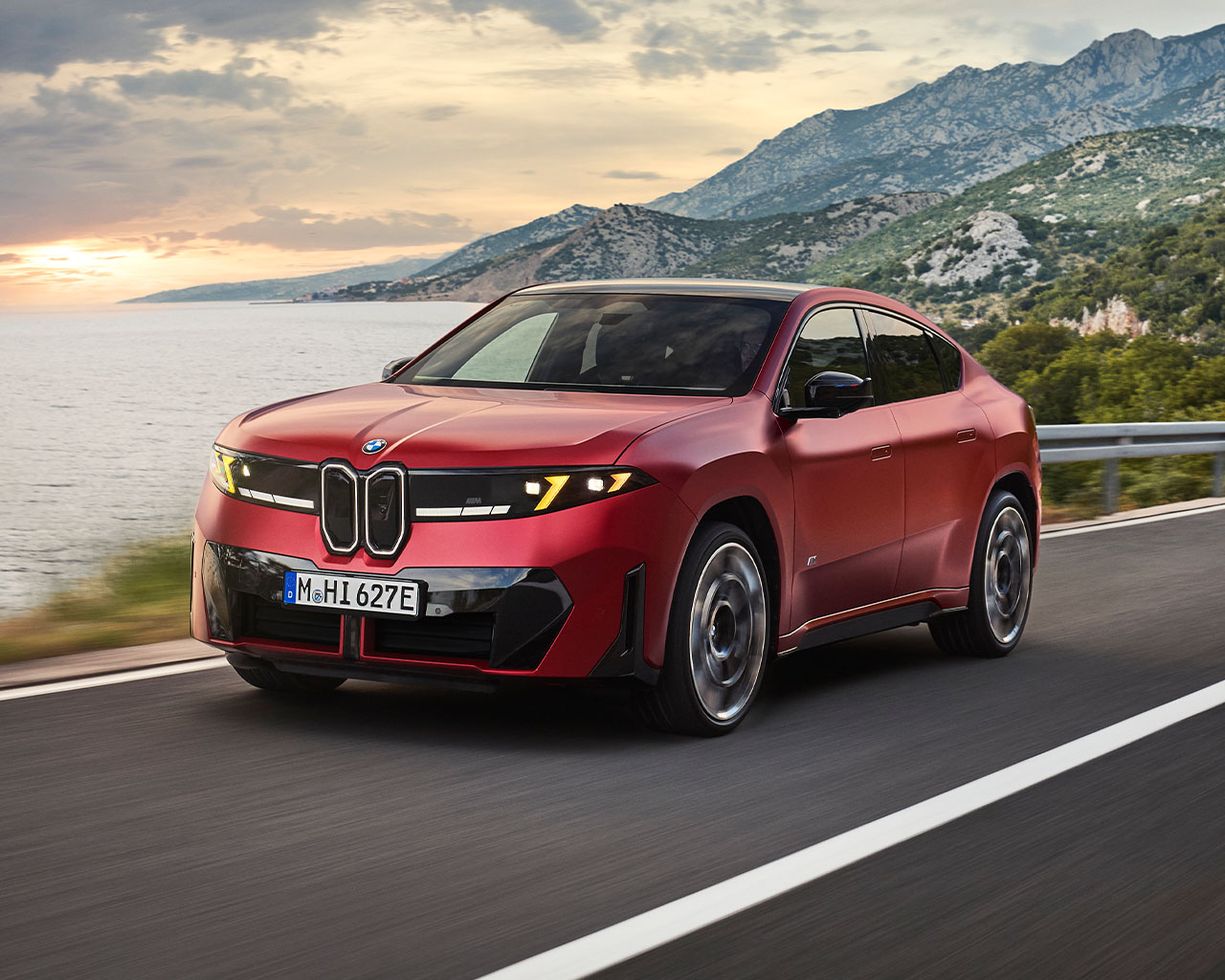
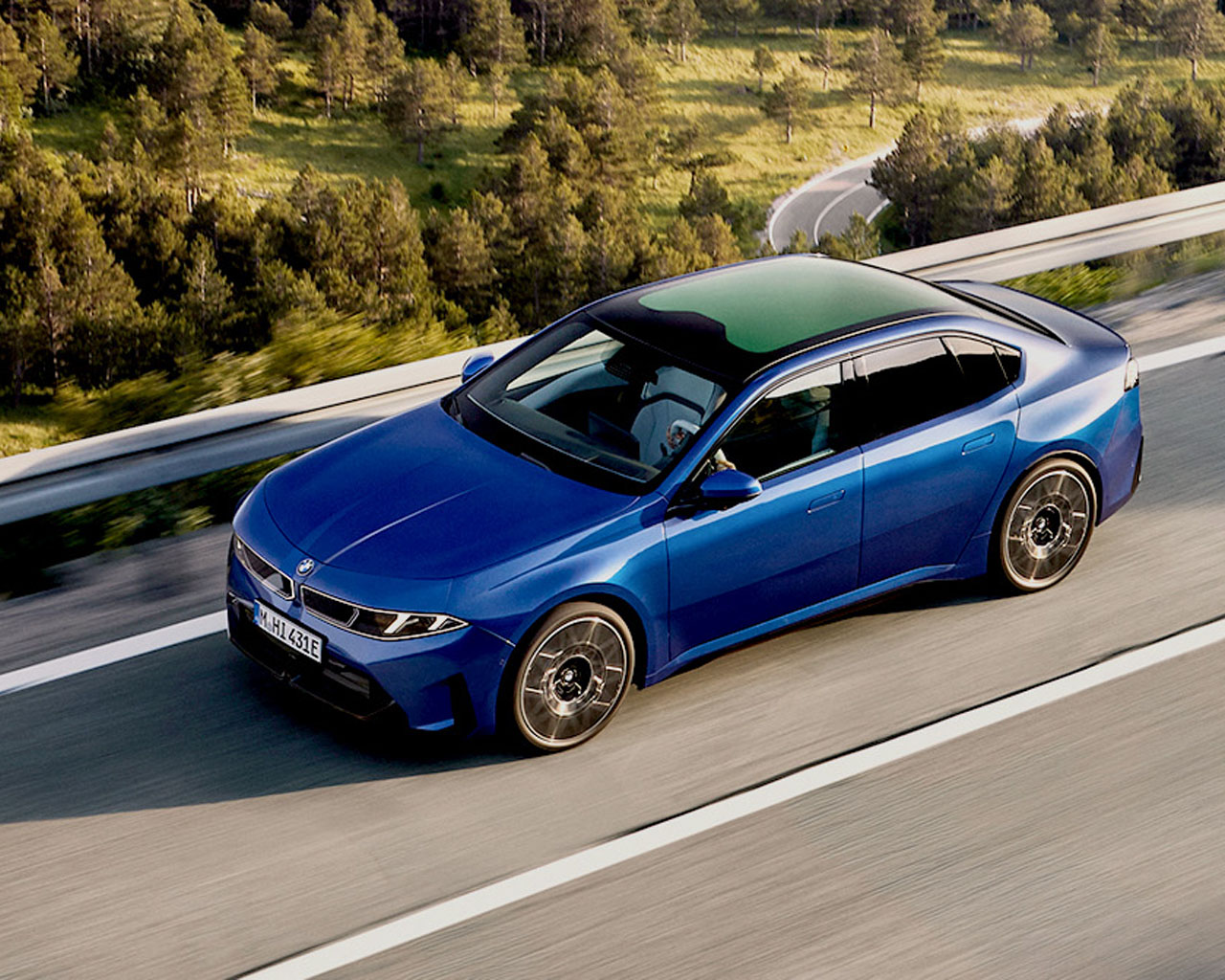
The new BMW i3* enters series production today as the second model in the Neue Klasse, backed by strong interest from customers. After four years of work, Plant Munich is now completely transformed, with new production technologies, 10-percent lower manufacturing costs and a clear pathway into the future: from 2027 the BMW Group’s home plant will exclusively produce fully electric vehicles.

Production
06.08.2026
6 MIN
BMW i3 enters series production in Munich as orders open to strong demand.
Transformation during ongoing production: New structures support BMW i3 ramp-up.
The transformation of BMW Group Plant Munich took four years to complete and was carried out while production continued uninterrupted. Now completely realigned, the plant is manufacturing the BMW i3 on state-of-the-art production lines. As the second model of the Neue Klasse, the BMW i3 has entered series production with strong momentum: since the order books opened ahead of schedule in mid-June, demand has been robust, and production is ramping up rapidly.

The models of the Neue Klasse are proving to be very popular. The second Neue Klasse model, the BMW i3, is already seeing strong demand since orders opened ahead of schedule.
Despite the extensive conversion work, Plant Munich continued production, delivering up to 1,000 vehicles a day. A new body shop and assembly hall with integrated logistics areas now occupy about a third of the plant site. The latest addition, a delivery hall, is currently being commissioned and marks the final step in the production process: it is here that vehicles undergo final inspection before being handed over to sales.

From BMW 3 Series to Neue Klasse: The electric transformation of the BMW Group’s home plant.
The BMW 3 Series has been a defining force at Plant Munich since 1975, with more than nine million rolling off the production lines. Now, the new BMW i3 is leading the plant and its rich heritage into a new era of electromobility and the Neue Klasse.
“The start of production of the BMW i3 heralds a new era for our main plant. With the fully electric BMW i3, we are bringing together what belongs together: the 3 Series embodies BMW more than almost any other model – and Plant Munich represents our brand more than almost any other production site,” said Raymond Wittman, Member of the Board of Management of BMW AG, responsible for Production. “The unique combination of headquarters, development and production at our main plant in Munich is a key driving force for our global production network: every one of our plants benefits from the experience and knowledge gained from the launch of the Neue Klasse in Munich.”
Highly efficient: How Plant Munich continues to cut production costs.
The Neue Klasse is delivering further efficiency gains at Plant Munich, driven by forward planning, close collaboration between production, development and suppliers, and new structures at this historic site.
A further contributing factor is the architecture of the Neue Klasse. Optimised processes, targeted automation and digitalisation are seamlessly integrated throughout production to deliver enhanced efficiency without compromising quality standards.

With the start of production of the BMW i3, we are lowering manufacturing costs by another 10 percent.
The Neue Klasse at Plant Munich begins with people.
From 2027 BMW Group Plant Munich will exclusively produce fully electric vehicles. With further Neue Klasse models set to follow the BMW i3, the plant will be well-prepared to meet the challenges of electromobility over the coming decades.
The transition, however, will be driven not purely by digital tools and systems but first and foremost by people. They will continuously enhance and establish processes in day-to-day production.
“The future viability of our plant will be ensured above all by the people who drive change and innovation with enthusiasm. Together, we continue to challenge ourselves every day, harnessing digitalisation and automation and gradually making Plant Munich even more efficient – without compromising our high quality standards,” says Peter Weber, Plant Director at BMW Group Plant Munich.

BMW iFACTORY: Efficiency, sustainability and digitalisation combined.
Following its transformation, BMW Group Plant Munich now embodies the BMW iFACTORY vision. Implemented across technologies, this approach focuses on efficiency, sustainability and digitalisation, with site-specific solutions strengthening the global production network and ensuring the BMW Group can deliver reliably to customers around the world.
The transformation of Plant Munich has resulted in more flexible and digital operations and a facility that is now well-equipped to meet the demands of electromobility. At the same time, it will share its insights from the production launch of the Neue Klasse with other BMW Group plants across the globe.
Close proximity: Batteries from Bavaria, e-drives from Austria.
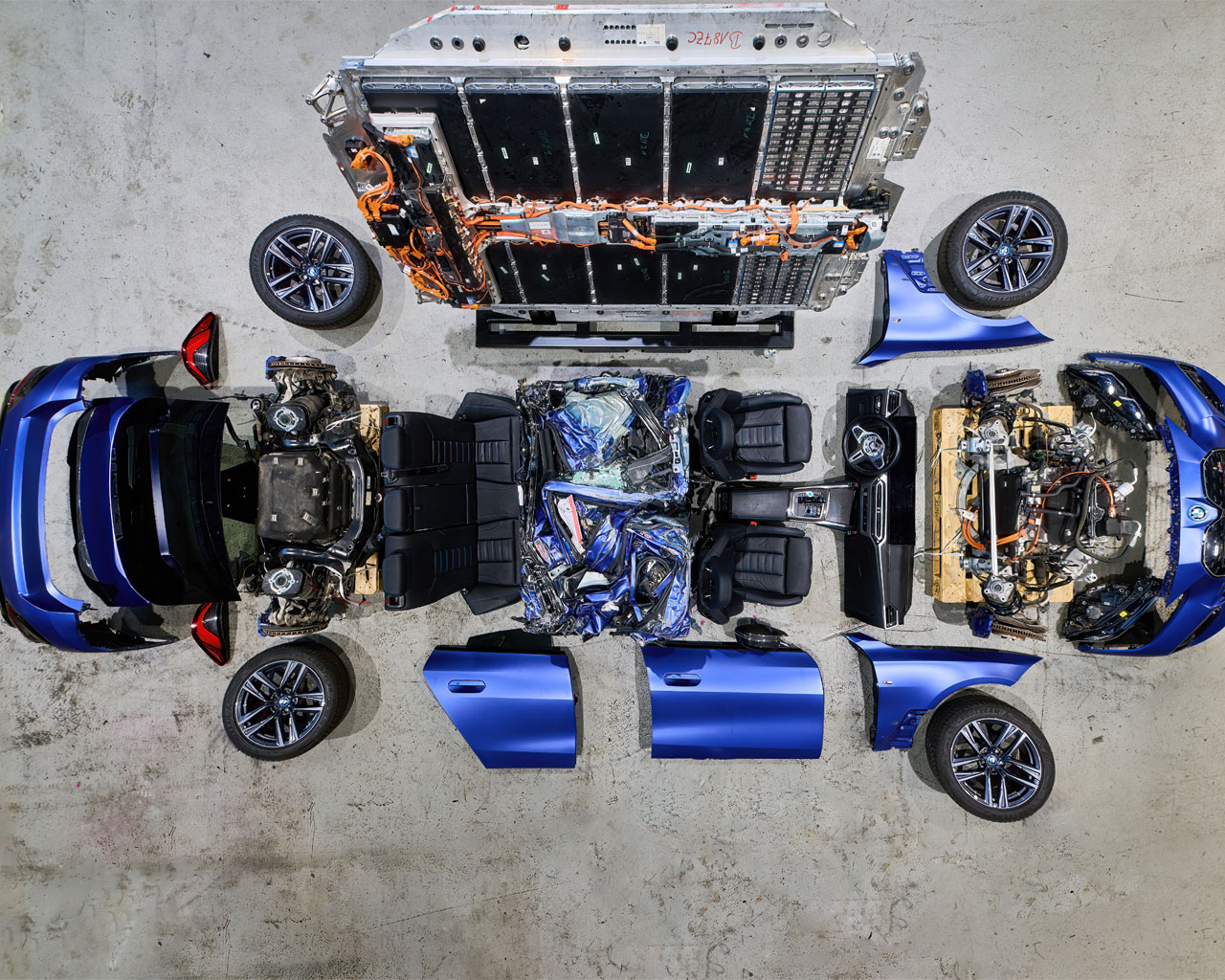
The BMW i3 is not built in Munich alone: its sixth-generation high-voltage batteries are manufactured at the newly built BMW Group Plant Irlbach-Strasskirchen.
Located in Lower Bavaria, about 90 minutes from Munich, Irlbach-Strasskirchen also supplies other vehicle plants in Germany. It plays a key role in production of Neue Klasse vehicles such as the BMW i3 and is central to the BMW Group’s “local for local” approach to strengthening regional value creation.
Its high-voltage batteries are produced using a stringent zero-defects approach and state-of-the-art production technologies developed at pilot plants in Bavaria. The process is characterised by end-to-end inline quality controls, digital twins and the systematic use of artificial intelligence (AI).
The Gen6 motor in the new BMW i3 is manufactured at BMW Group Plant Steyr in Austria. With more than 40 years of experience in power unit production, Steyr manufactures all core components in-house, from rotors, stators and inverters to transmissions. The housing for the motor is sourced from the aluminium foundry at BMW Group Plant Landshut.
Precisely aligned, regionally connected: The BMW i3 supply chain.
The production launch of the BMW i3 demonstrates how closely product, production and supply chain are integrated for Neue Klasse vehicles: while the cars themselves are made in Munich, their high-voltage batteries come from Bavaria and their electric motors from Steyr. By linking its sites in Germany and Austria in this way, the BMW Group has created a production network that combines regional value creation with international collaboration.
FAQs on series production of the BMW i3 at Plant Munich.
Series production of the new BMW i3 launches in August 2026 at BMW Group Plant Munich. The BMW i3 is the second Neue Klasse model to enter series production. Since the order books opened ahead of schedule in mid-June, demand has been robust, and production is ramping up rapidly.
The BMW Group converted and transformed Plant Munich over a four-year period, while production continued uninterrupted. A new body shop, a new assembly hall with integrated logistics areas, and a new delivery hall now occupy about a third of the plant site. Despite the extensive conversion work, production continued throughout, with up to 1,000 vehicles delivered per day.
With the launch of the new BMW i3, production costs at Plant Munich will decrease by a further 10 percent. This has been enabled in part by forward planning, close collaboration between production, development and suppliers, and new production structures. The Neue Klasse vehicle architecture also contributes to greater efficiency through optimised processes, automation and digitalisation.
From 2027 Plant Munich will exclusively produce fully electric vehicles. With further Neue Klasse models set to follow, the BMW Group is preparing the site to meet the long-term challenges of electromobility.
Sixth-generation high-voltage batteries are supplied by the newly built BMW Group Plant Irlbach-Strasskirchen. Located in Lower Bavaria, about 90 minutes from Munich, this site will strengthen regional value creation in line with the BMW Group’s “local for local” approach. Battery production is characterised by end-to-end inline quality controls, digital twins and the systematic use of artificial intelligence (AI).
The Gen6 electric motor for the new BMW i3 is manufactured at Plant Steyr in Austria. Steyr produces the rotor, stator, inverter and transmission of the highly integrated e-drive in-house. The casing is supplied by the aluminium foundry at BMW Group Plant Landshut.
* Provisional fuel consumption/emissions data for the BMW i3 50 xDrive: WLTP combined (EnVKV): energy consumption 16.1-13.4 kWh/100 km; CO₂ emissions 0 g/km; CO₂ class A; range 758-912 km)
Actual figures depend on various factors, e.g. charging power, driving style, route, weather conditions, auxiliary electrical consumption (including air conditioning), tyres and battery state of health.