






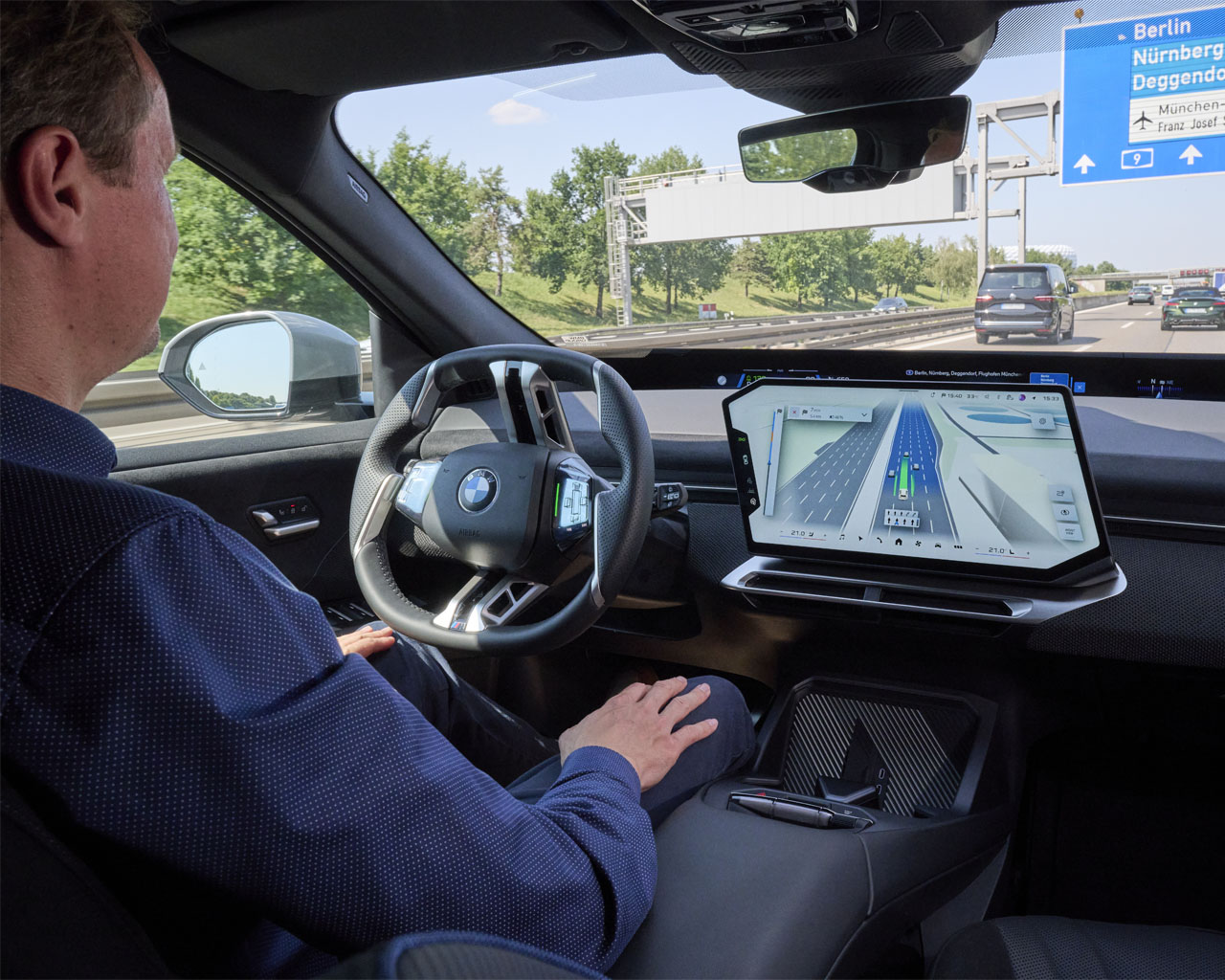

How can we reimagine a vehicle across its entire life cycle? With the BMW i3, the holistic perspective on sustainability starts not just when the vehicle takes to the road but long before – from product development, along the supply chain, right through to production. The focus throughout is on reducing CO2e emissions, using secondary materials in selected components, and consistently applying the principle of “Design for Circularity”.

Responsibility & Sustainability
17.03.2026
8 MIN
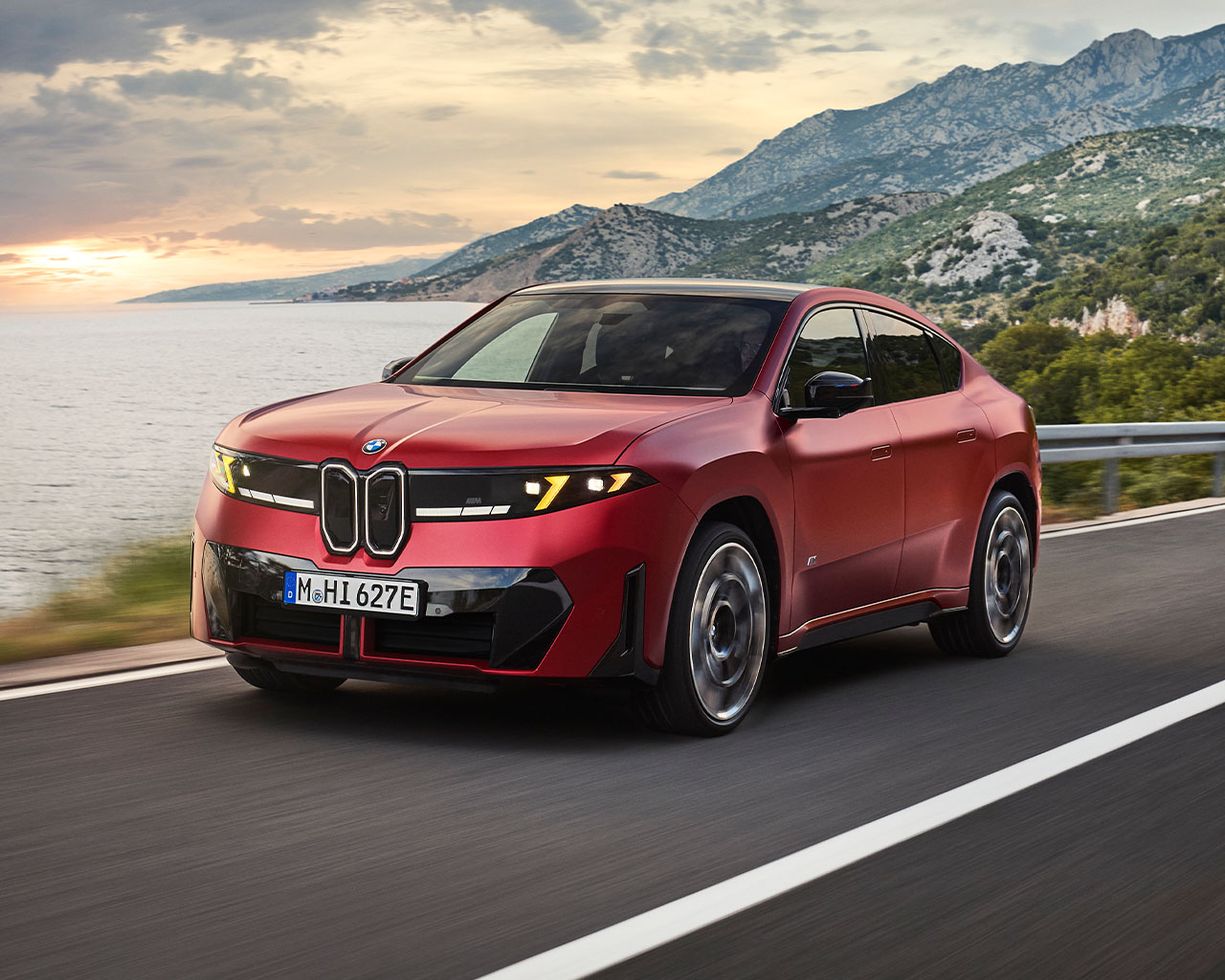
The new BMW i3: 360° approach to sustainability continues in the second Neue Klasse model.
CO2e benefits after just one to two years of use.
When a new vehicle is launched, the spotlight has traditionally been on design, driving dynamics and technologies. With the BMW i3, however, there is an additional dimension: how the car is reimagined, built and used across its entire life cycle. Like the BMW iX3, the new model has been developed in line with our 360° sustainability strategy, which prioritises decarbonisation throughout the entire vehicle life cycle, from product development and the supply chain to production and the end of its use phase. The second model in the Neue Klasse, then, is set to contribute further to the BMW Group’s progress towards its ambitious and overarching CO2e reduction targets.
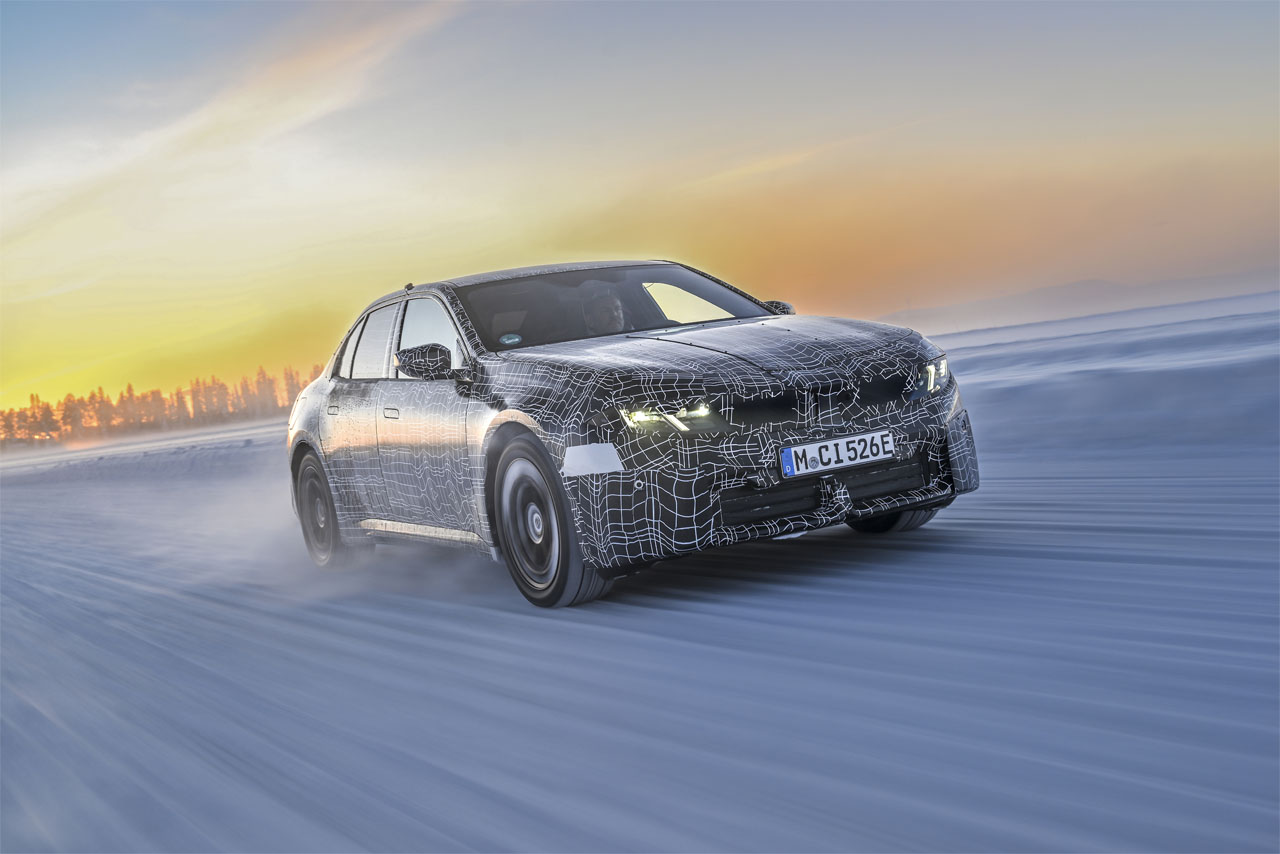
Depending on the drive train variant, as well as annual mileage and the source of the electricity used to charge it, the new BMW i3 50xDrive will achieve a CO2e advantage over a comparable combustion-engine model after just one to two years of use1. What’s more, when it is out on the road, the EfficientDynamics technology package – including aerodynamics, lightweight construction, rolling resistance and overall energy management – optimises efficiency across all subsystems even further.

Decarbonisation in the supply chain: Reducing CO2e before production.
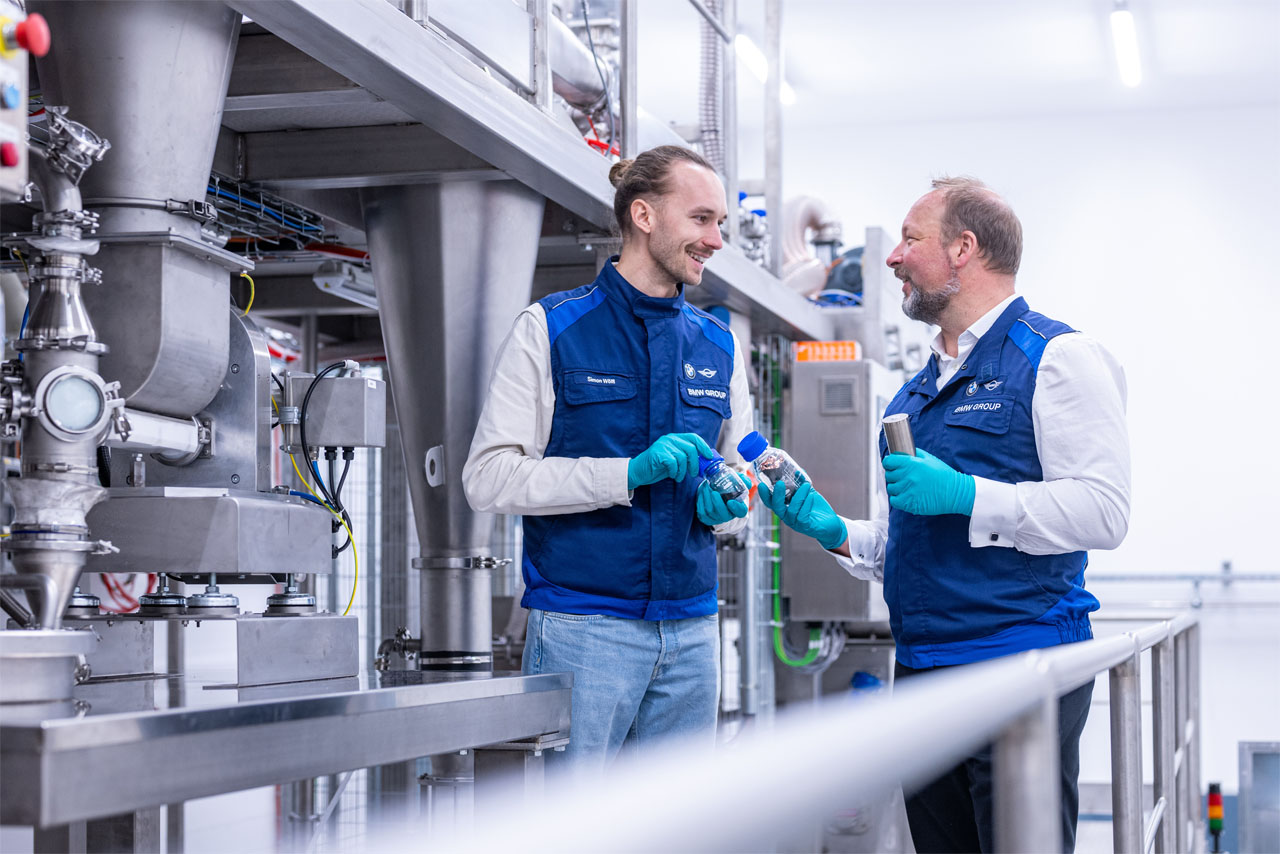
Targeted decarbonisation of the supply chain is a key starting point for CO2e reductions. Here, emissions are falling significantly, thanks to renewable energies, an increasing share of secondary materials, and product and process innovations, for example in Gen6 cells and high-voltage batteries.
This systematic approach is delivering clear results, as confirmed by the emissions reductions achieved so far. Specific measures during product development of the BMW i3 lowered supply chain CO2e emissions by about a third2.


More recyclates, fewer different materials: Designed for circularity inside and out.
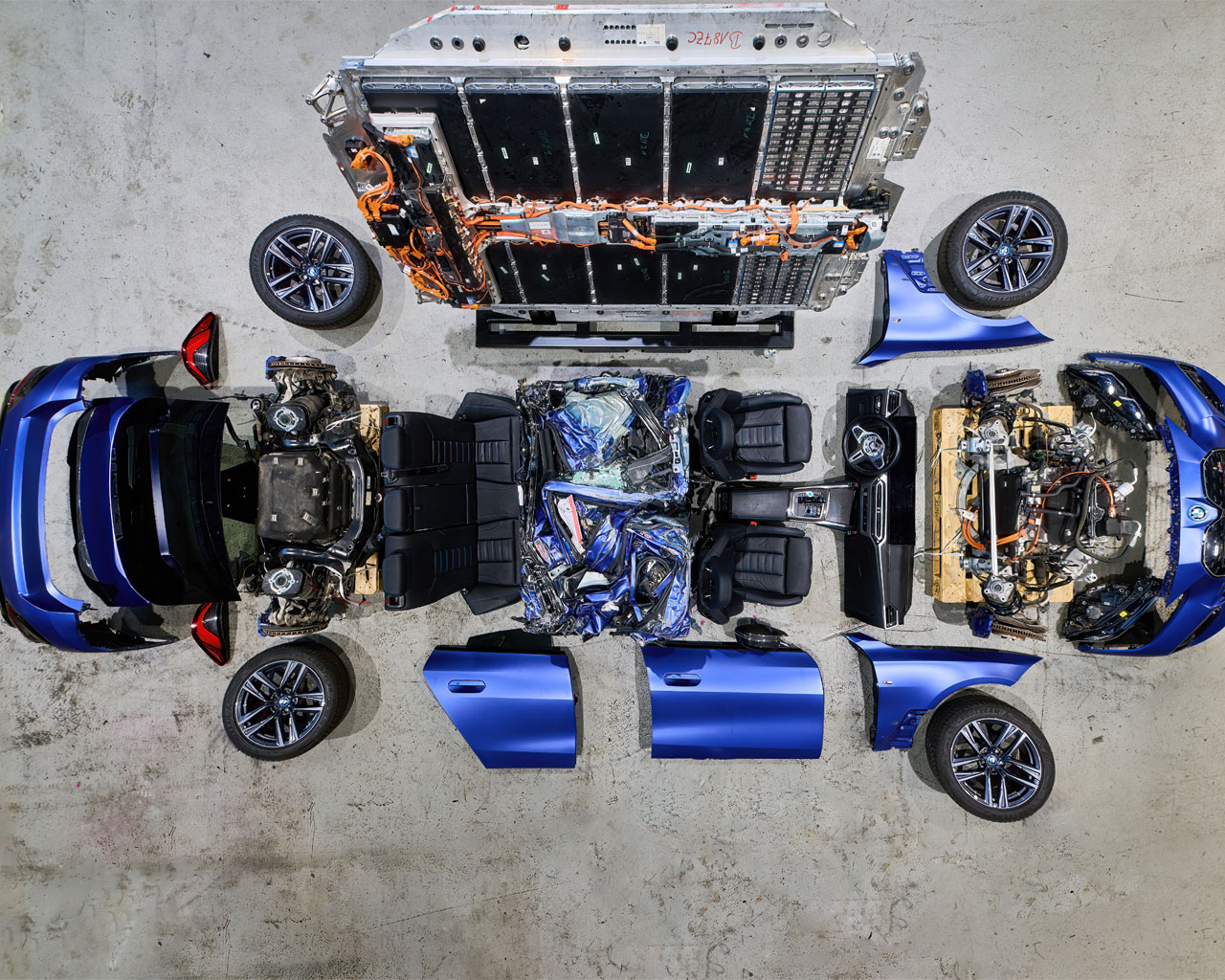
Created according to the principle of “Design for Circularity”, the BMW i3 incorporates a larger share of secondary materials, an intentionally reduced range of materials, and optimised dismantling capabilities.
The front bumper trim, for example, consists of 30 percent recycled plastic. The range of different materials used to make it has been reduced from 15 in the previous, seventh-generation BMW 3 Series to seven in the forthcoming one (mounted parts excluded). Moreover, by incorporating a particularly recycling-friendly type of plastic, the BMW Group has successfully increased the share of recyclable plastic from approximately 46 percent in the previous generation to about 85 percent3 in the upcoming version. This lays the foundation for high-quality plastic recyclates to be recovered after the vehicle reaches the end of its life.
Another example of “Design for Circularity” in the new BMW i3 is the Econeer seat covers. Part of the Essential equipment line, these are made of a recyclable textile composite. The basic material for the upper fabric consists of 100 percent recycled PET. Compared with primary materials, this granulate – which forms the base material for the polyester yarn required – significantly reduces both CO2e emissions and water consumption in production. The dismantling capabilities of the new seat have also improved to facilitate material-specific separation at the end of the vehicle life cycle.

Use of secondary materials in the BMW i3.
The new BMW i3 consists of about 30 percent secondary materials in total1. Cast aluminium components, such as the front and rear knuckles and wheel carriers, consist of 80 percent secondary materials, while the alloy wheel rims are made of 70 percent secondary aluminium. The housing for the rear electric motor – produced at BMW Group Plant Landshut – comprises up to two thirds secondary aluminium, and a proportion of the energy used to make it is sourced from renewables.
The Gen6 battery cells in the high-voltage battery of the BMW i3 incorporate a share of secondary cobalt, lithium and nickel, and their anode and cathode materials and cells are produced using energy from renewable sources. This has reduced CO2e emissions by around 33 percent per watt hour compared with the previous Gen5 cells.
Further examples of the innovative use of materials and secondary materials are the engine compartment cover and the storage compartment under the bonnet of the BMW i3. These are made of a basic material comprising up to 30 percent recycled maritime plastic i.e. post-consumer waste from used fishing nets and ropes. The yarn used to make the fabric for the headliner, A-pillar and parcel shelf consists of 100 percent recyclates.
These components come together at BMW Group Plant Munich, where the BMW i3 is made. After a thorough upgrade in recent years, the Munich is now well prepared for production of Neue Klasse models, with a new body shop, state-of-the-art assembly halls and extended logistics areas.

Many angles, a single goal: Reduce CO2e emissions across the vehicle life cycle.
With the new BMW i3, the BMW Group has approached sustainability from multiple angles simultaneously. From cutting CO2e emissions from the supply chain to Gen6 battery cells, secondary aluminium and recycled plastics for interior and exterior parts – a consistent concept is in place. And it is working to a single goal: to reduce CO2e emissions across the vehicle life cycle even further.
1) The figure provided is a preliminary forecast value. The final figure will be published with the Vehicle Footprint (VFP) prior to the Start of Production (SOP).
2) The figure provided is a preliminary forecast value. The final figure will be published with the Vehicle Footprint (VFP) prior to the Start of Production (SOP). The reduction is based on a comparison with industry averages from an internationally recognised LCA database.
3) Figures represent the percentage of material that can be separated by type using a shredding process and subsequent separation methods.