






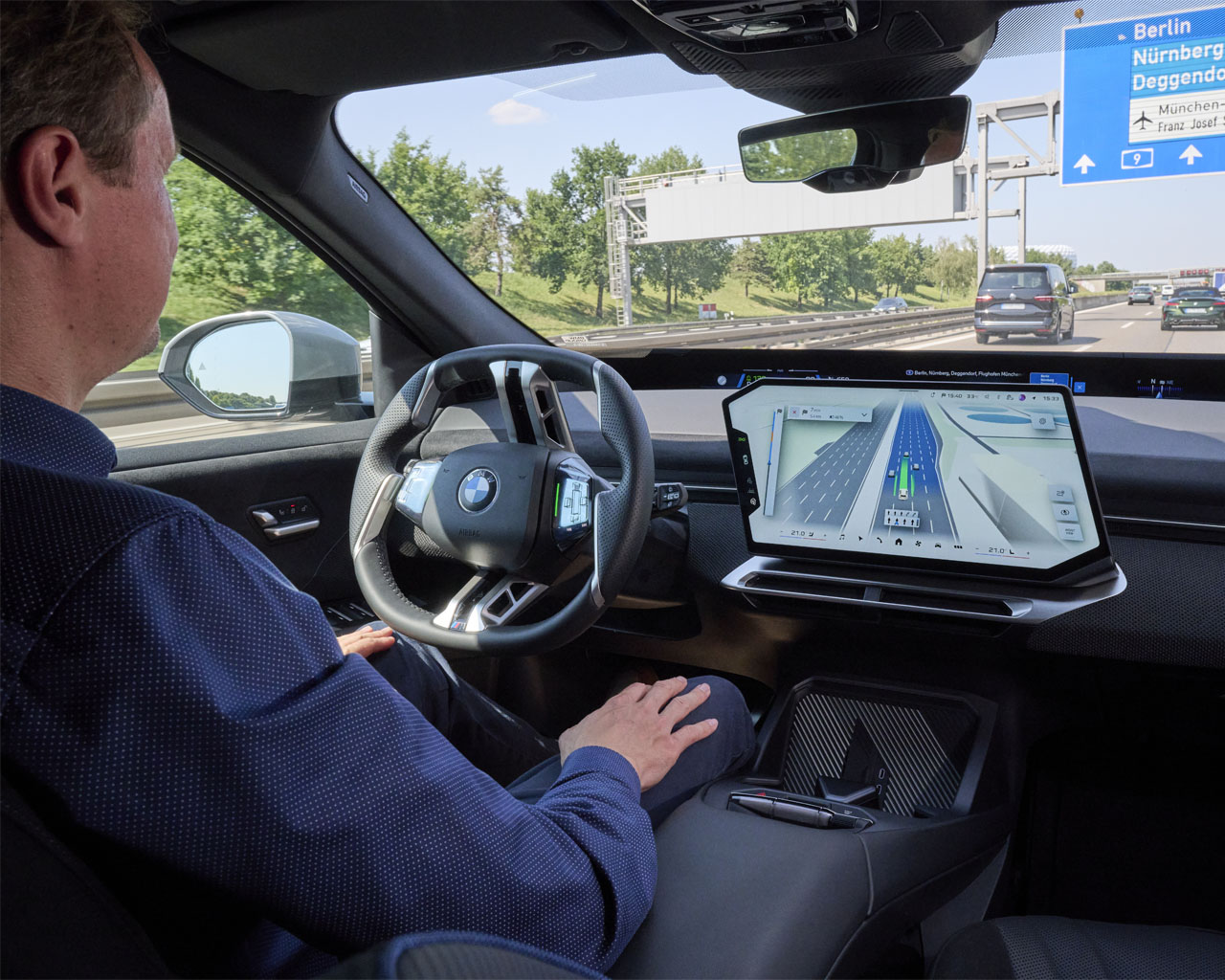
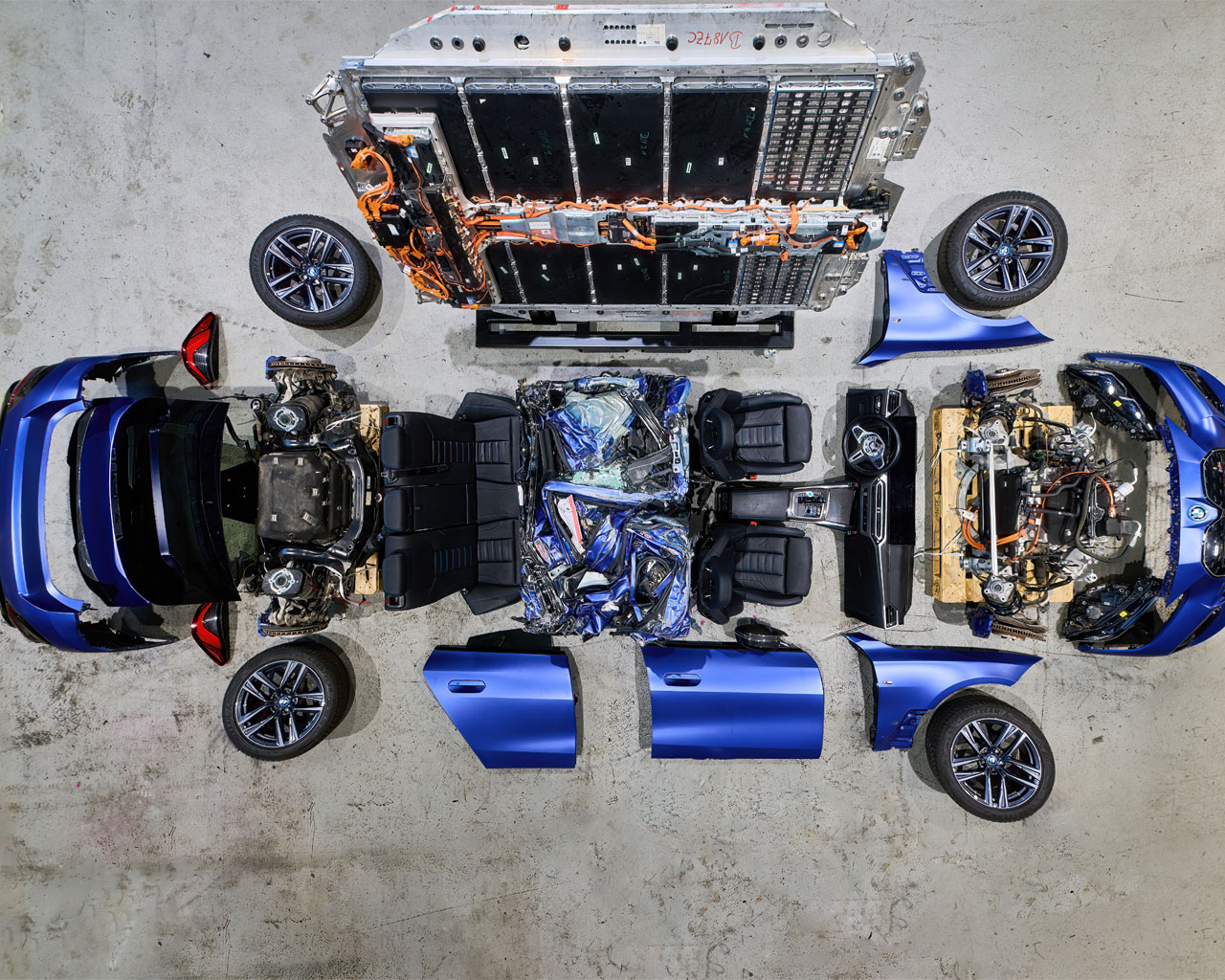

Scent is just one aspect of what defines a vehicle’s interior. The choice of materials and the emissions inside the car also shape how healthy and pleasant the atmosphere feels. A look behind the scenes reveals why wellbeing is now an integral part of product sustainability – and how the BMW Group scent lab contributes.

Responsibility & Sustainability
25.03.2026
5 MIN
How the BMW Group brings sustainability into the vehicle interior.
When sheer driving pleasure meets wellbeing.
For most people, sustainability in cars brings to mind batteries, CO₂e emissions, renewable energies and recycling. But technical data sheets and materials are not all that create a vehicle experience: equally important is how the vehicle feels every day – the quality of the interior, the pleasantness of the ambience and, yes, even the way it smells.
And this is exactly the challenge the BMW Group addresses. The new fully electric BMW i3 shows by example how product sustainability extends far beyond the drivetrain and production processes to encompass the interior as well, where customers experience it directly. Health and wellbeing, therefore, are integral to vehicle development.
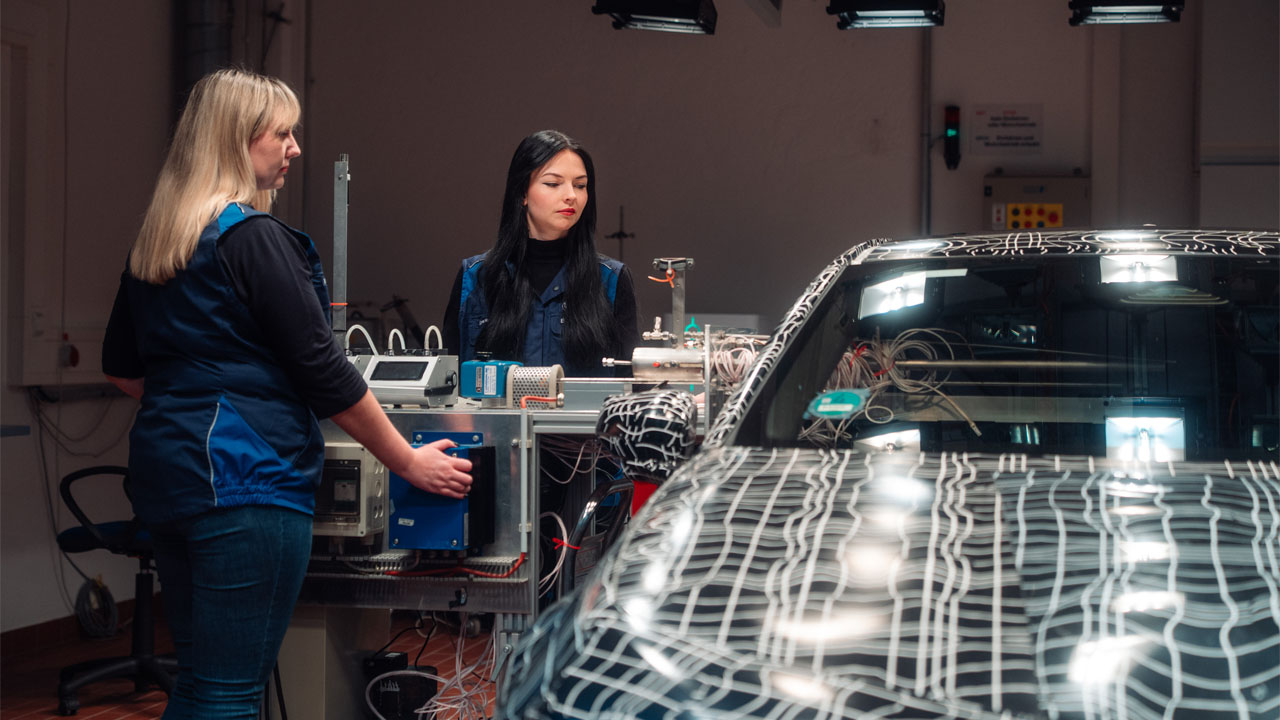
Interior air quality shapes the overall experience.
These days a car is about far more than just getting from A to B: it is a retreat, a workspace and an everyday companion. So, the feel of the interior is especially important. Interior air quality is not just a technical detail – it has a direct impact on occupants’ wellbeing.
That’s why the team at the BMW Group scent lab systematically tests how materials, components and complete vehicle interiors can affect occupants. Focusing on interior air quality, the choice of materials and the sensory experience, they aim to create high-quality interiors that meet rigorous health and sustainability standards.
Health and wellbeing as elements of sustainability.
In vehicle development, the BMW Group takes a holistic approach to sustainability, viewing it across the vehicle lifecycle – from raw material extraction and the supply chain to production, vehicle use and, ultimately, recycling. Health and wellbeing are far from an afterthought; they are integral to the entire concept.
Sustainability is at its most tangible inside the vehicle, where people come into direct contact with materials, surfaces and the quality of the air. So, what sounds abstract is in fact very real in everyday vehicle use – and includes the subtle yet authentic interior scent that is integral to the BMW Group’s commitment to a premium experience and a healthy interior environment.
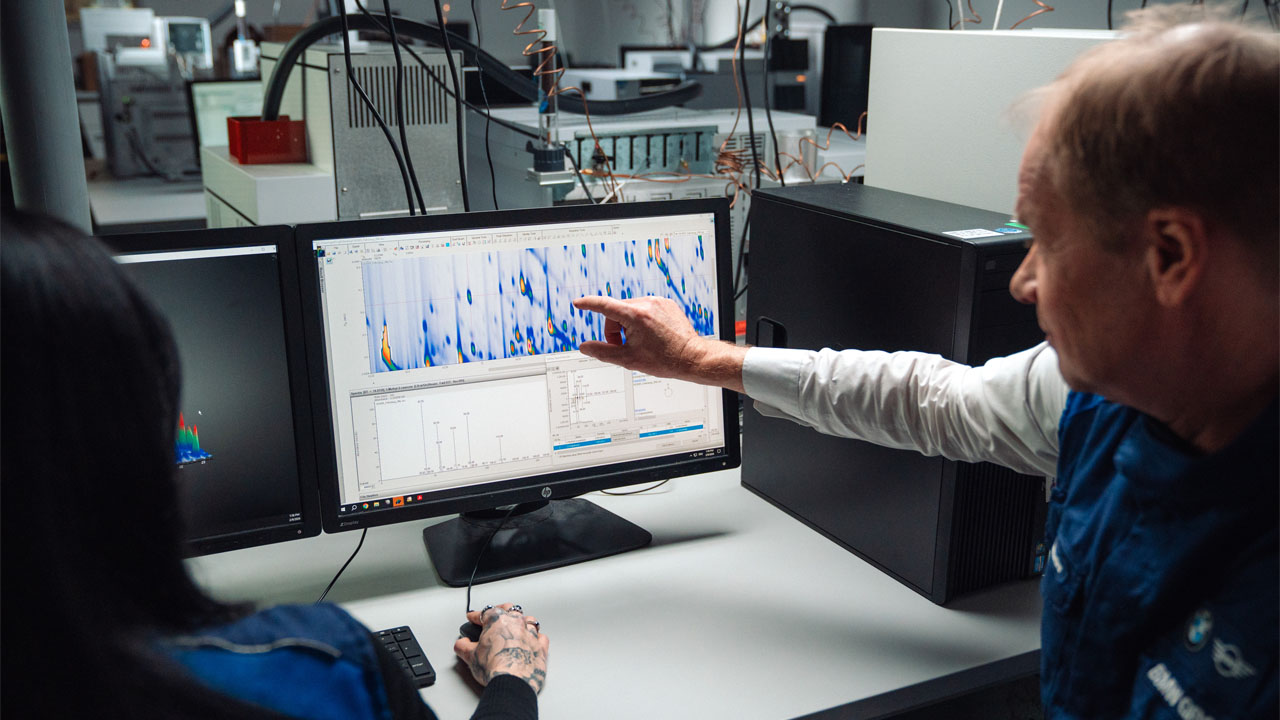
Objective tests and analyses at the BMW Group.
Interior materials can release emissions, while temperature and humidity shape the sensory characteristics of the cabin even further. The sensory experience of the car interior has long been an important area of development at the BMW Group, and for the past 25 years, we have used our own methods to measure and analyse emissions and scents in our cars.
We also continually integrate the latest findings from toxicology and health and sensory research into our in-house standards, and we actively contribute our expertise to international standardisation bodies and specialist committees.
Our goal is clear: we want the interior of a BMW to feel authentic, refined and high-quality – without using artificial scents. It should deliver a harmonious overall experience that engages not just the eyes but the senses as a whole.

Bringing technology and the senses together.
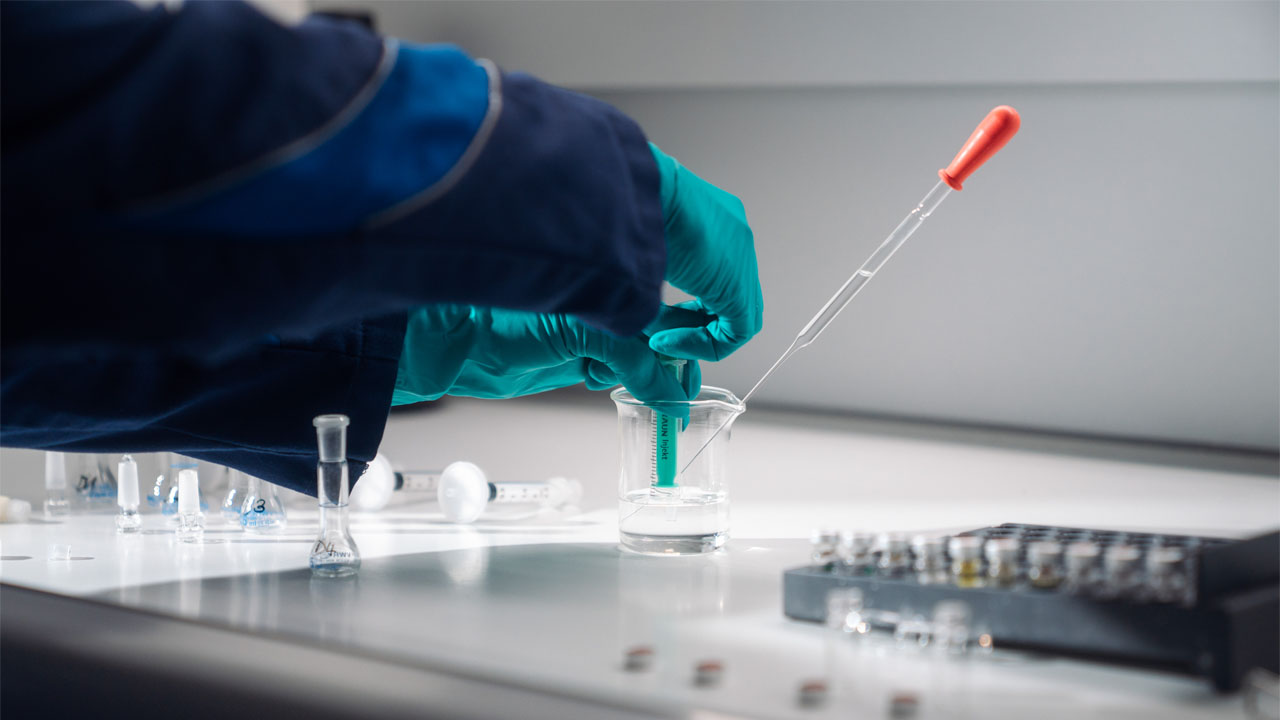
At the BMW Group’s scent lab, materials, components and complete vehicles are tested in realistic conditions. While cutting-edge measurement technologies deliver the objective data, crucial analyses by the highly trained team of specialists remain vital – because the way a car interior is perceived cannot be expressed in numbers alone.
This is where the unique expertise of the development team comes into play, bringing technology and human perception seamlessly together. Ultimately, the overall impression is determined not so much by any single component but by all the interior materials interacting with one another.
How the BMW Group makes sustainability a holistic experience.
The new BMW i3 is a shining example of the BMW Group’s approach to sustainability. Built on rigorous implementation of the strategy to reduce CO₂e emissions throughout its lifecycle, it combines innovative material concepts with a clear focus on the occupants.
Nils Hesse, Vice President Product Sustainability at the BMW Group, explains: “To us, health and wellbeing are integral to product sustainability. Environmental factors and increasing health awareness are changing how we perceive our living spaces – including our cars. Our customers expect products to be designed with their health and wellbeing in mind, which is why interior air quality is a key element in our holistic sustainability approach.”
This clearly shows that, at the BMW Group, sustainability is about much more than conserving resources and reducing emissions: it is about developing vehicles that enhance people’s daily lives – through quality, comfort and an interior engineered with meticulous attention to detail.