







A great story in compact form: in 1966 BMW ushered in a new era with the 1600-2. In a Germany that was in transition at the time, the compact two-door struck a nerve. The BMW 2002 became cult, while the BMW 2002 turbo emerged as a technical tour de force. Together, the 02 models achieved something only a handful of cars ever have: they transformed not just a model series but the entire image of the BMW brand. Their legacy continues to this day, in the BMW 3 Series, the feeling behind the wheel and the slogan that was to become BMW’s identity, promise and driving force: Sheer Driving Pleasure.

Brands
03.08.2026
6 MIN
BMW 02 celebrates 60 years: The small two-door that defined BMW.

1966: A new beginning in a compact format.
1966 was a restless year. The so-called “economic miracle” that had transformed post-war Germany into a flourishing economy had temporarily come to a halt; political stability, it was hoped, would be achieved through the country’s first Grand Coalition; society was starting to redefine itself. Amid the optimism and uncertainty, a new outlook on life was emerging that was more relaxed, self-assured and mobile than before.
Against this backdrop, a small car arrived on the scene. It was less grand than the sedans of the Neue Klasse but certainly no less impactful: the BMW 1600-2. The unconventional two-door was to become a defining force in shaping BMW’s sporty character, helping to pave the way for its evolution into the highly desirable premium brand it is today.
In the 1960s, BMW was not yet a global premium brand. The company had only recently emerged from an existential crisis. The Neue Klasse had put it back on course while defining the core of the brand that endures to this day: dynamic driving not as a footnote, but as a promise. It was in this period that Sheer Driving Pleasure began to take shape: rather than being a marketing slogan for a finished product, this was the expression of a new beginning.
The BMW 1600-2 (renamed BMW 1602 in 1971) embodied this idea to perfection. It had fewer doors and less weight, but it was no less of a BMW. Built on the technical basis of the Neue Klasse, it was a reinterpretation of the model’s strengths, but in a more compact and sportier format, a functional sedan with a coupe-style silhouette and frameless windows. On the road, it made an immediate impression, with clean lines, agile handling and a confident presence. This was a car for people who valued driving pleasure over the need to impress.
Practical, pleasurable, persuasive: How the 1600-2 captured the zeitgeist.
Practicality, pleasure and persuasiveness were precisely what defined the historical power of the new model. The 1600-2 democratised what sets BMW apart: premium not as plush but as a high-precision, high-quality driving experience. Customers opting for the 1600-2 would receive not a downsized BMW but one distilled into its most concentrated form. This car was practical as well as pleasurable, sensible as well as satisfying, and truly of its moment. Its timing, concept and attitude were the perfect match, and a look at the road – and at the sales figures – proved it.

In 1968 BMW enhanced the sporting credentials of its two-door, with the BMW 1600 ti. Delivering 77 kW/105 hp, the 1600 TI reached speeds of up to 175 km/h. With fewer than 9,000 units built, it was highly sought-after by collectors. But even more important than the numbers was the direction in which this car would take BMW: the 02 Series had the potential to become a successful high-volume model and offered the scope for sporty variants – and BMW knew it.
Thus, the 02 models not only represent a new series but also mark an important step for BMW's brand identity. Common sense and emotion could coexist in the same car – and the 1600-02 proved it. It was to become a compelling argument for the future of the company.


The BMW 2002 becomes cult.
If the 1600-2 set the stage, the BMW 2002 stole the show. Launched in early 1968, it was to become by far the most popular model in the range, accounting for over 330,000 sales. Given the 02 Series’ total production run of 827,535, the 2002 clearly defined the 02 range. In the end, almost four in every ten 02 vehicles carried the 2002 badge, making this the bestseller, icon and the best-known face of the 02 Series to this day.
Bringing the sporty to the everyday.
But why the 2002? Because there was one feat in particular that this model had mastered to perfection: the combination of everyday driving with sheer, untamed performance. With its clear presence and precise handling, it was livelier than many larger and more expensive models. The 2002 was to become an early example of a sporty midsize BMW, although the word “midsize” was not even part of the brand’s vocabulary at this point.


The BMW 2002’s winning formula was particularly evident in its sportier derivatives, such as the 88 kW/120 hp BMW 2002 ti and the 96 kW/130 hp BMW 2002 tii, introduced in 1971 and featuring mechanical Kugelfischer fuel injection. Despite its higher price, almost 40,000 customers chose the tii. Their decision spoke volumes not only about the era, but even more so about the car itself: people wanted driving to be not only practical but pleasurable too.
The 2002 provided an early blueprint for the qualities that define BMW to this day: everyday versatility, dynamism and balance. The tii gained a reputation as a wolf in sheep’s clothing for a reason: its compact body exuded confidence without pretension and had plenty of power lying in wait. That was its appeal: it was an everyday sedan with truly sporty credentials.


From street to track.
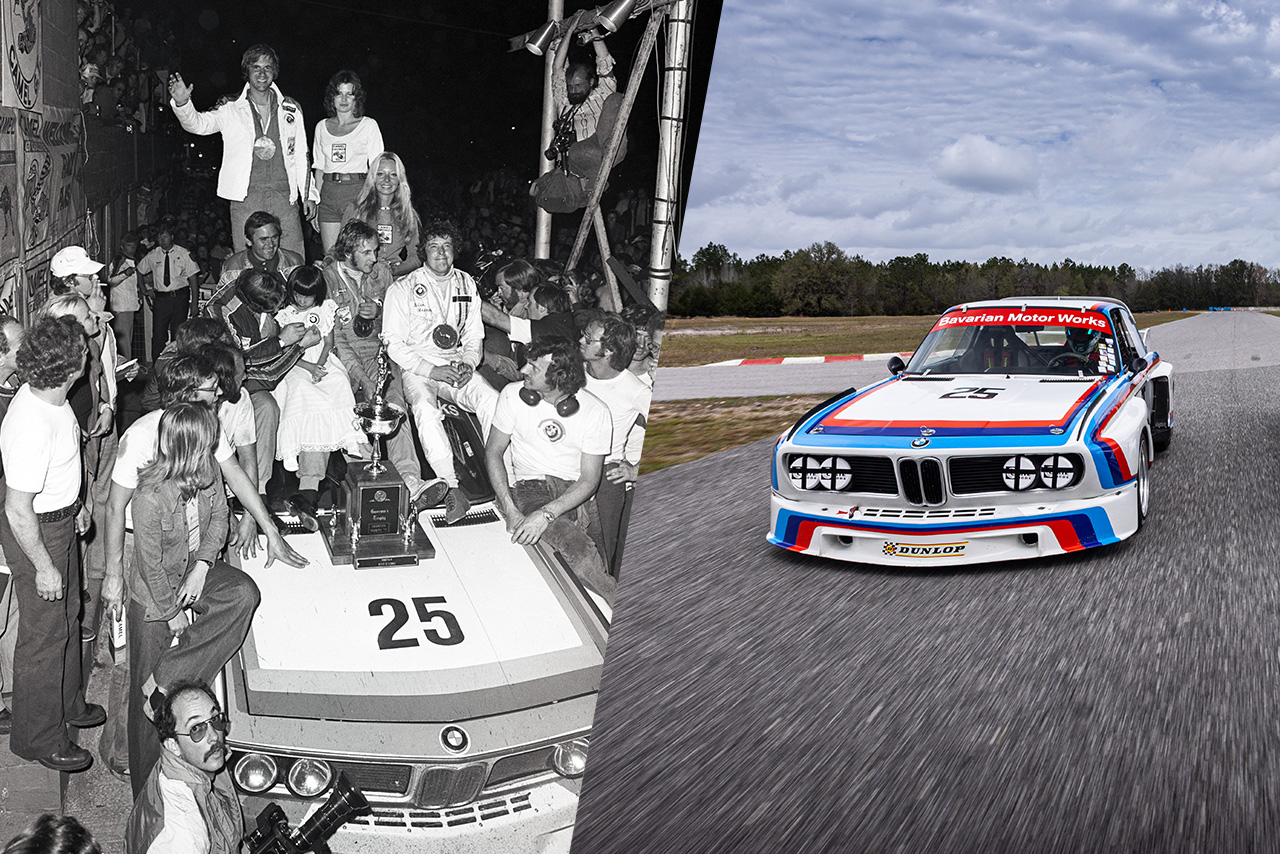
Part of the aura of the 2002 stems from its presence on both the road and the racetrack. Driven by celebrities of the day – such as racing driver Hans-Joachim Stuck, television presenter Petra Schürmann and football icon Gerd Müller – the 02 also made regular TV appearances in the ever-popular German crime series “Tatort” and “Der Kommissar”. It became a familiar sight in public life at the time. Meanwhile, competition versions of the 02 were scooping victories in mountain races, rallies, on the Nürburgring and in German racing championship DRM. The 2002 also provided the perfect platform for tuners such as Alpina and Schnitzer. The bestseller came to symbolise a brand that placed driving dynamics firmly centre stage.

BMW 2002 turbo: Technical revolution with a clear message.
Then came the moment in which the 02 Series made engineering history: in September 1973 BMW unveiled the 2002 turbo at the Frankfurt IAA motor show. The first European series-produced turbocharged vehicle delivered 125 kW/170 hp. With a top speed of more than 210 km/h, it accelerated like a sports car. A paradigm shift was underway in the world of compact two-doors.
The 2002 turbo’s capacity to raise the pressure was already apparent from its look. The front spoiler with its “2002 turbo” script in mirror writing was intended as a warning to drivers ahead glancing in their rear-view mirrors. It soon became iconic and remains famous to this day for being the perfect fit for the vehicle: technically smart, playfully provocative and impossible to ignore. The turbo took the 02 Series to the extreme. It was like a 2002 on steroids, and the commotion was huge both in the media and on the streets.

Turbo meets oil crisis.
Yet the provocation embodied by the BMW 2002 turbo was about to collide with a historical turning point: the oil crisis. Launched at a time when fuel was scarce, the BMW 2002 turbo remained a niche model – which is, in retrospect, precisely what made it so appealing. Technologically, it was ahead of its time; culturally, it seemed almost at odds with it. At a time when restraint was the order of the day, BMW had launched a vehicle that radiated performance even when standing still. The 2002 turbo was a provocation – and its message continues to resonate to this day.

From series to world championship.
The BMW 2002 turbo also punched above its weight in technological terms. The group 5 racing versions demonstrated the true potential of turbocharging and produced more than 500 hp. Further evidence came in Formula 1, where Nelson Piquet won the 1983 world championship with Brabham BMW. The turbo engine in his car was based on an engine block whose technical roots reached back to the BMW 1600-2. The 2002 turbo heralded the technical self-assurance that would later take BMW into the higher performance classes.
The 2002 turbo captivates to this day, uniting two particular qualities: a place in the automotive history books as Europe’s first series-produced turbo, and a visible appetite for performance. It embodied a turbocharged outlook on life, translating engineering prowess into attitude. Direct, confident and unmistakable, it was like a turbocharger on wheels.


Convertibles, a Touring and bold design.
Part of the 02 Series’ greatness lies in the fact that its influence extended far beyond its core. The sedan, ti, tii and turbo formed the starting point for an entire cosmos of models, including open-topped derivatives and special versions as well as concept cars that came to symbolise the experimental spirit of those years. The most exclusive body variant came from the city of Stuttgart, where Baur crafted convertibles by hand. Initially these were based on the BMW 1600. From 1971 they built on the BMW 2002. By early 1976, Baur had produced 4,199 such models.
The rarity of these models is the key to their enduring appeal. Towards the end of the 1960s, the early full convertible based on the BMW 1600 tapped into the public’s desire for open-topped driving. But as stricter safety standards came into force, Baur responded by integrating a fixed rollover bar and rear side windows into their BMW 2002-based convertible. Rare, hand-built and distinctive, these open-topped vehicles became highly desirable collectors’ items.

Ideas ahead of their time.
BMW soon extended the concept of the 02 Series to include a Touring. A “hatchback sedan”, the 02 Touring was designed by Paul Bracq and entered series production in 1971. Its steeper windscreen, shorter rear and large tailgate gave it the air of an early sports hatchback, but it was not until much later that a market emerged for the concept. Commercially, the 02 Touring was not a huge success, but the misunderstanding behind it is precisely what makes it so exciting: it was not behind the times but ahead of them.


The experimental spirit of the 02 Series was also evident in Pietro Frua’s BMW 2002 GT4 and Marcello Gandini’s lost BMW 2002 ti Garmisch, which was recreated in 2019. Unveiled in 2016, the BMW 2002 Hommage was a modern-day tribute to the 2002 turbo and sent out a clear message: the 02 Series remains a lodestar within the BMW cosmos, both technically and aesthetically.
“Sheer Driving Pleasure”: The 02 Series brings the promise to life.
Some advertising lines fade like old paint. Others hit the mark and live on to become the brand promise. “Sheer Driving Pleasure” falls into the latter category and, in the eyes of BMW, it expresses the essence of the BMW brand and everything it stands for. Its origins go back to the mid-1960s, to the era of the Neue Klasse, but it was particularly powerfully expressed in the 02 models, through their low weight, driver-centred ergonomics, rear-wheel drive, direct responsiveness and performance on demand. The 02 Series translated the tagline into character – and took it out onto the road.
The effect was palpable from the very first mile. The 02 models felt alert: they were light and direct, with an immediate connection to the driver. The 2002 tii and 2002 turbo elevated this sense of alertness, distilling everything that made the 02 series special into an uncompromising focus on the driver. A development had begun that would define BMW to this day as a brand with unique appeal for those who value driving dynamics and high quality.
In this regard, the 02 Series was also a democratising force: it made BMW more accessible but certainly not less distinctive. Its compact models opened up the brand to new customers, while still preserving all that made it unique. With the 02 Series, BMW learned to combine volume with profile.

The BMW 3 Series: The success story continues.
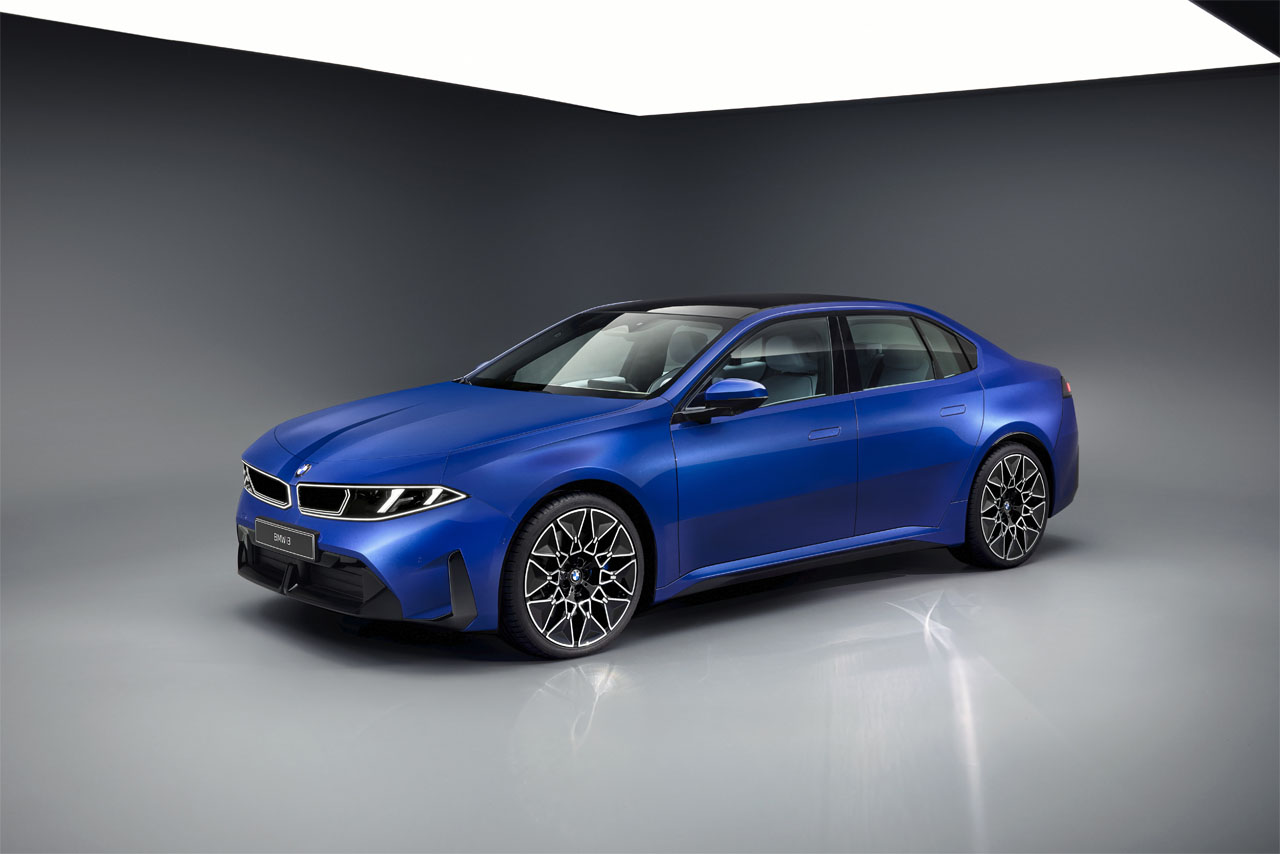
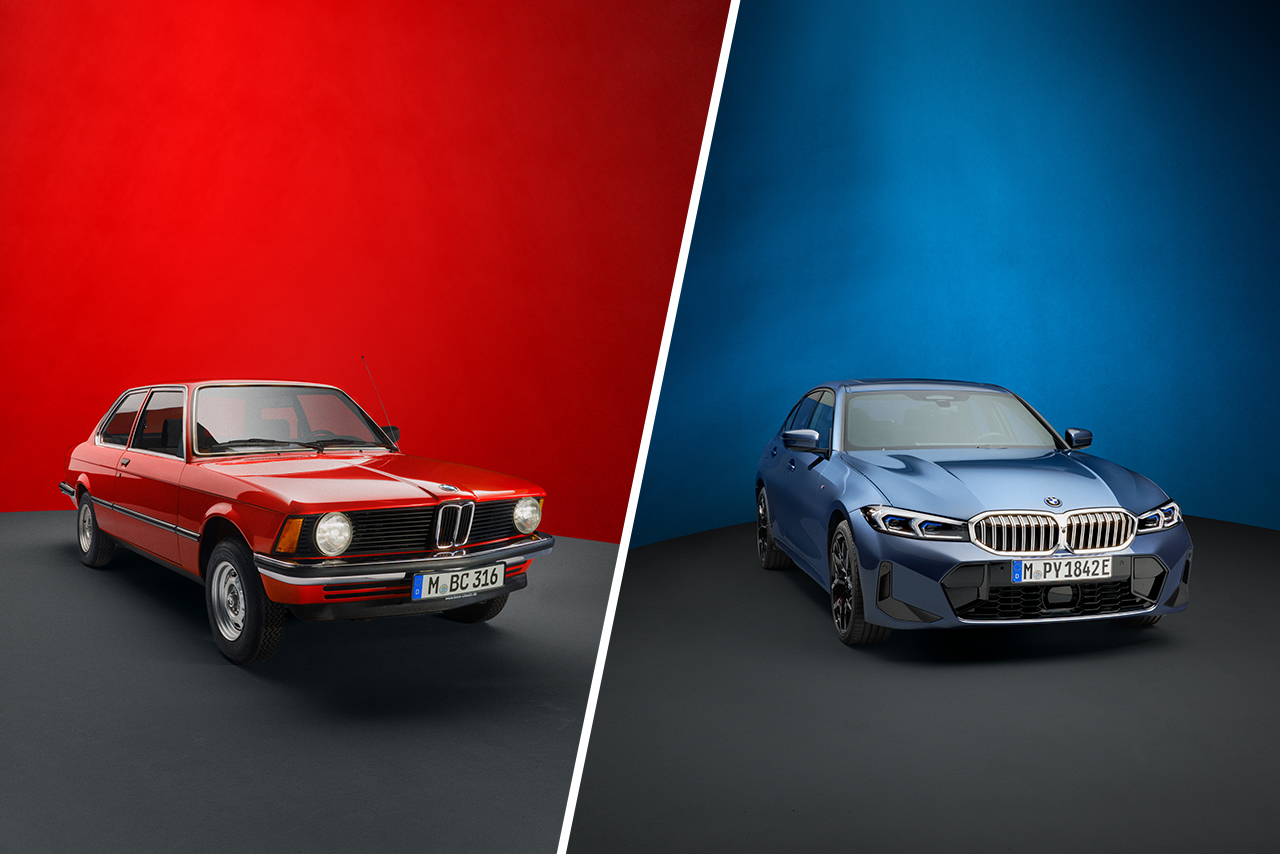
In 1975 the thinking behind the 02 Series entered its next stage, with the launch of the BMW 3 Series (E21) as its official successor. The newcomer combined the 02 Series’ fundamental principle of sportiness with greater comfort, creating a global success story with more than 20 million vehicles sold. The 02 Series provided the defining blueprint not only for the new model series but also for its attitude. The BMW 3 Series inherited its segment but also its promise.
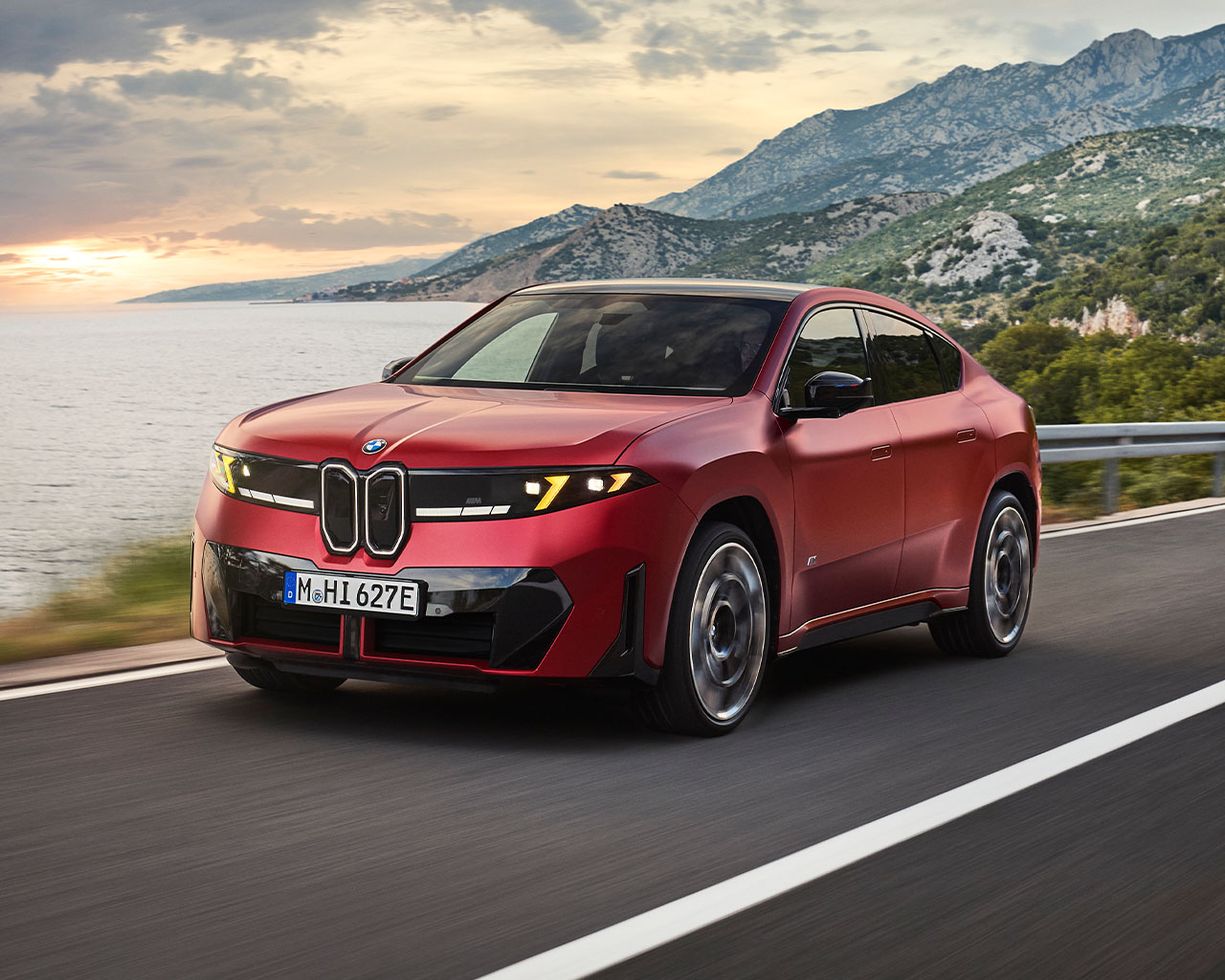
Or, in bolder terms: the 02 models had been the proving ground from which a new brand philosophy emerged. The promise of “Sheer Driving Pleasure” has underpinned every generation since, from the BMW 1 Series to the Neue Klasse. The benchmark for them all had been the 02 Series, with its two doors, four cylinders and clear vision of what a car can contribute to everyday life.

60 years on: The BMW 02 is a classic.
When production of the BMW 02 Sedan was phased out in July 1977, rather than simply disappearing, the model series took on a new role: it evolved from an everyday vehicle to a classic, from a familiar sight on the roads to a genuine icon. Produced from March 1966 to July 1977, the BMW 02 Series Sedan remained in the line-up even after the launch of the BMW 3 Series. The BMW 1502 offered an affordable entry point and marked the final chapter of the range. Production ended. The story did not.
By 2007 even the last 02 models to roll off the production lines had attained classic car status. They are now a permanent fixture on the classic car scene, making regular appearances at enthusiasts’ gatherings, coveted by collectors, and repaired and refurbished in workshops. The 02 Series is firmly embedded in the historic memory of the BMW brand. Today, BMW Group Classic keeps its legacy alive through archival work, expertise, restorations and spare parts supplies, ensuring the 02 remains an essential part of BMW even now.
The power of a clear concept.
So, why is the appeal of the BMW 02 Series so enduring? Because its models embody something that is contemporary even today: a focus on directness, agility and approachability. At a time when mobility has become increasingly complex, the philosophy behind the 02 Series continues to resonate, demonstrating just how compelling a pared-back vehicle concept can be. Its lightness, precision and distinctive character are precisely what gave projects such as the BMW 2002 Hommage concept car of 2016 or the recreation of the Garmisch in 2019 their magnetism. Bridging past and present, these models underscore the 02 Series’ enduring spirit.
Sixty years after the debut of the BMW 1600-2, the question of how a small two-door was able to define BMW to such a degree now has an answer: by distilling the brand to its essentials and lending it renewed greatness in the process. The 02 Series offered Sheer Driving Pleasure in a compact format, made innovation palpable and reached new customer groups. It also paved the way for the BMW 3 Series, which remains a benchmark in its segment to this day. The 02 models were a huge success. But more than that, they forged the brand’s identity.
And perhaps that is their greatest legacy: the 02 models are a testament to the fact that a great brand history can grow from humble beginnings. Sometimes a lightweight two-door with a characterful four-cylinder, and the courage for clarity are enough – along with a single phrase that rings true to this day: Sheer Driving Pleasure.