






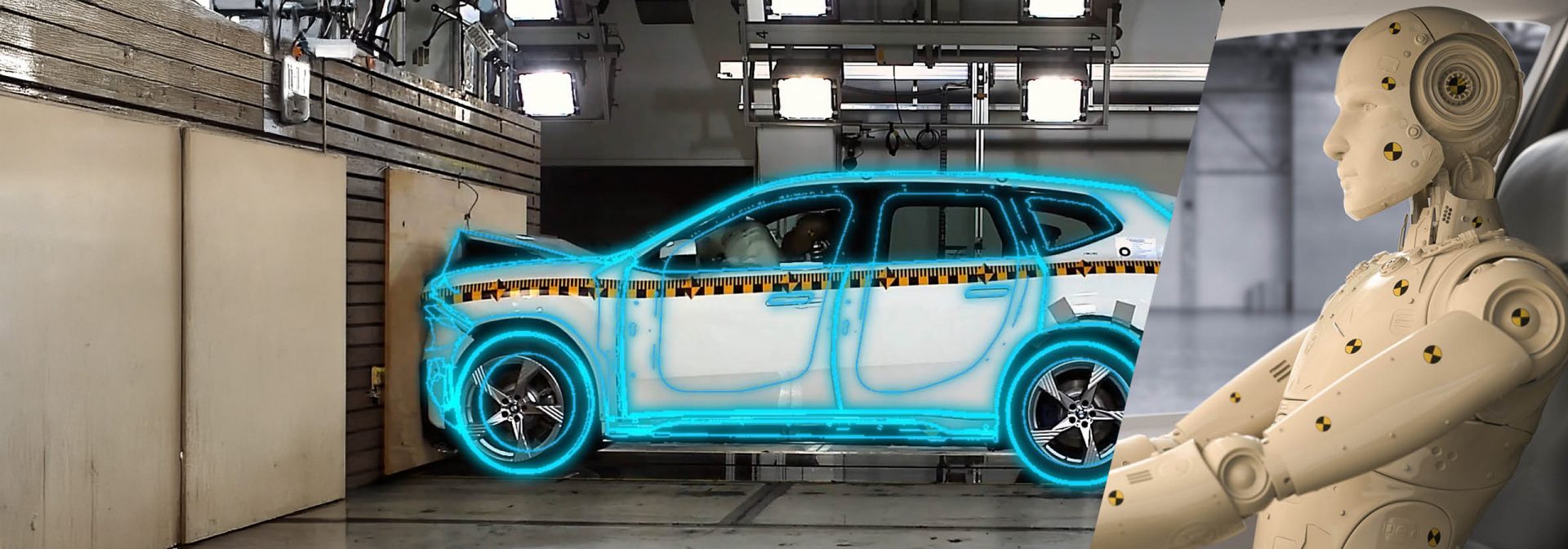
Fewer physical crash tests and less time and expense – but the same high standard of safety. The BMW Group is redefining homologation processes and is the first carmaker to successfully replace some physical tests with virtual simulations in Germany. The simulations are officially recognised as equivalent to conventional tests and save prototypes, time, money and resources while making crash-safety development even more precise.
Innovation
06.02.2026
4 MIN
Hybrid homologation of the future: Why the BMW Group is in the fast lane.
How the BMW Group is redefining homologation.
For decades, homologating a new car has meant one thing above all else: considerable time and expense. Before a model can take to the road, the authorities and technical inspectors need proof that it is safe. Traditionally, this is provided by crash-testing prototypes and deliberately destroying them.
But now the BMW Group is taking a major step into the future by replacing some of those physical tests with simulations that still fully comply with German standards. The simulations are officially recognised as equivalent to physical crash tests and destroy fewer prototypes and reduce both time and costs, while still meeting stringent safety requirements.
Tested to drive. Proven to protect.
Before a new model reaches the showroom, it must first undergo homologation. In other words, the manufacturer has to demonstrate that the vehicle meets all the legal requirements – from performance and emissions to the installed software and the behaviour of assistance systems in critical situations.
When it comes to safety, standards are particularly stringent. Authorities need to understand exactly what will happen in the event of an accident: how the vehicle’s structure will deform, how well the occupants are protected, and what the impact might be on other cars, pedestrians or cyclists. So far, these questions have been answered primarily through physical crash tests. Now, however, a second, equally powerful element is being introduced into testing: virtual crash simulations.
How crash testing relocated to the data centre.
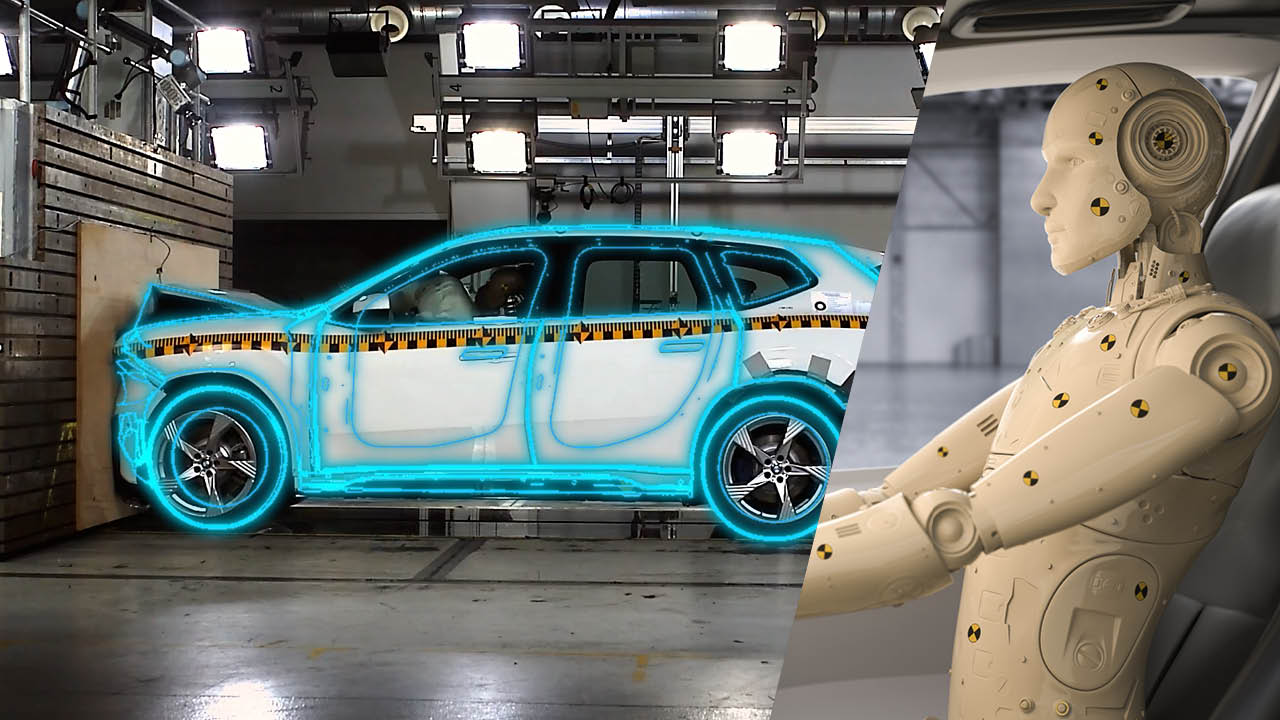
When most people think of crash tests, they tend to think of a vehicle speeding towards a barrier, then a massive crash, airbags deploying and the car body deforming. But for engineers, crash tests are all about figures, sensors and extensive data analysis.
In the virtual world, these tests look quite different – yet the objective remains the same. Engineers create a detailed digital model of the vehicle, incorporating all the relevant parts, materials and parameters, and use it to simulate the kind of crash scenario that could previously only be replicated in a crash facility.

20 years in development: Fine-tuning in the background.
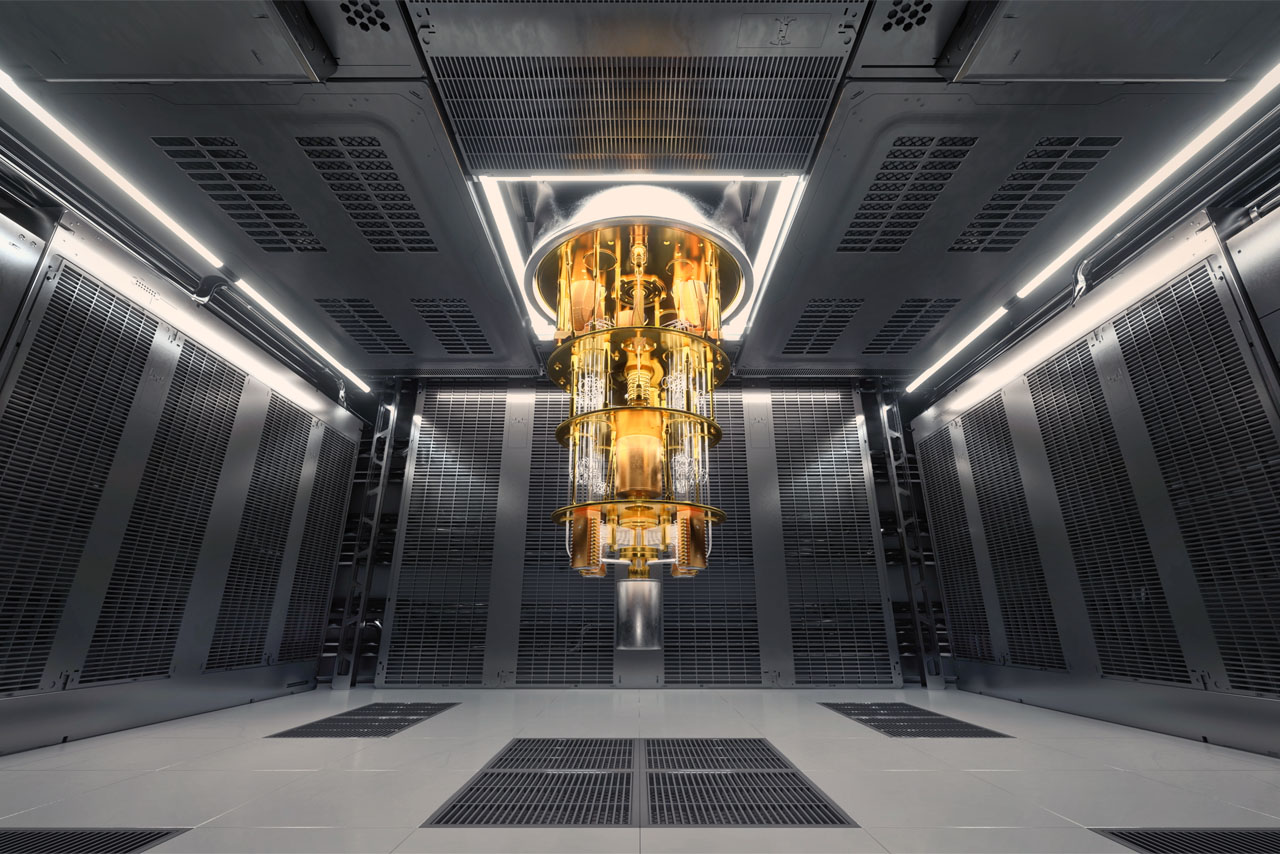
Depending on the complexity of the simulation, it can take around 30 hours for a virtual test to produce results – with roughly 300 CPUs working in parallel in the background. (For comparison, a normal office laptop tends to contain between four and eight CPUs.) By the end of the test, instead of a completely wrecked car, the crash team receives a high-resolution digital crash video complete with a data set. This allows them to analyse, replay, enlarge and compare the deformations, loads and forces affecting each component at any given point – as often as they need to.
At the BMW Group, this approach is anything but new. For around twenty years, we have been continuously developing and refining our virtual processes and tools, validating them against physical tests. With the latest BMW 7 Series, for example, the team conducted around 90,000 such simulations.
What is new, however, is that in Germany these virtual crash tests are now officially recognised as fully equivalent to certain physical homologation tests.
Where high-tech innovation meets regulatory requirements.
It has all been made possible by a team of BMW Group specialists who scrutinised both the technology and the regulations. Michael Klein, head of Homologation Safety Exterior and Interior at the BMW Group, explains: “To reduce hardware use in homologation, our experts examined and reinterpreted the legally mandated test procedures to determine where equivalent methods could be applied. This required a completely new methodology, which we have been developing intensively since 2024.”
Before the German Federal Motor Transport authority KBA could accept the new simulation method as equivalent to physical testing, it first had to be audited by the technical inspectors at TÜV SÜD. Today, what began as a developers’ tool is now an officially recognised testing method.
From a developers’ tool to an official approval tool.
Frank Bauer, head of Virtualisation Passive Safety at the BMW Group, explains the significance of this milestone: “Our successful audit with TÜV SÜD along with the KBA’s official recognition of virtual homologation confirm our strategic approach. We have consistently advanced simulations, from being a rough developer’s tool for comparison purposes only to a reliable source of absolute figures. This has been a major factor in our success and significantly reduces the effort and expense of physical hardware testing.”
So, the direction is clear: simulations are evolving from a supporting tool to an equally valid means of proof as physical tests.
More accuracy in development, less waste in testing.
The direct benefits of physical and virtual tests in intelligent combination – or ‘hybrid’ homologation – are real and measurable. The BMW Group is already able to replace a whole series of crash tests with recognised simulations, saving valuable prototypes, reducing setup and test-rig times, and lowering overall costs.
The BMW Group’s new approach is already delivering noticeable savings today. But for us, this is only the beginning: the more scenarios that can be validated virtually in the future, the greater the scaling and efficiency benefits.