





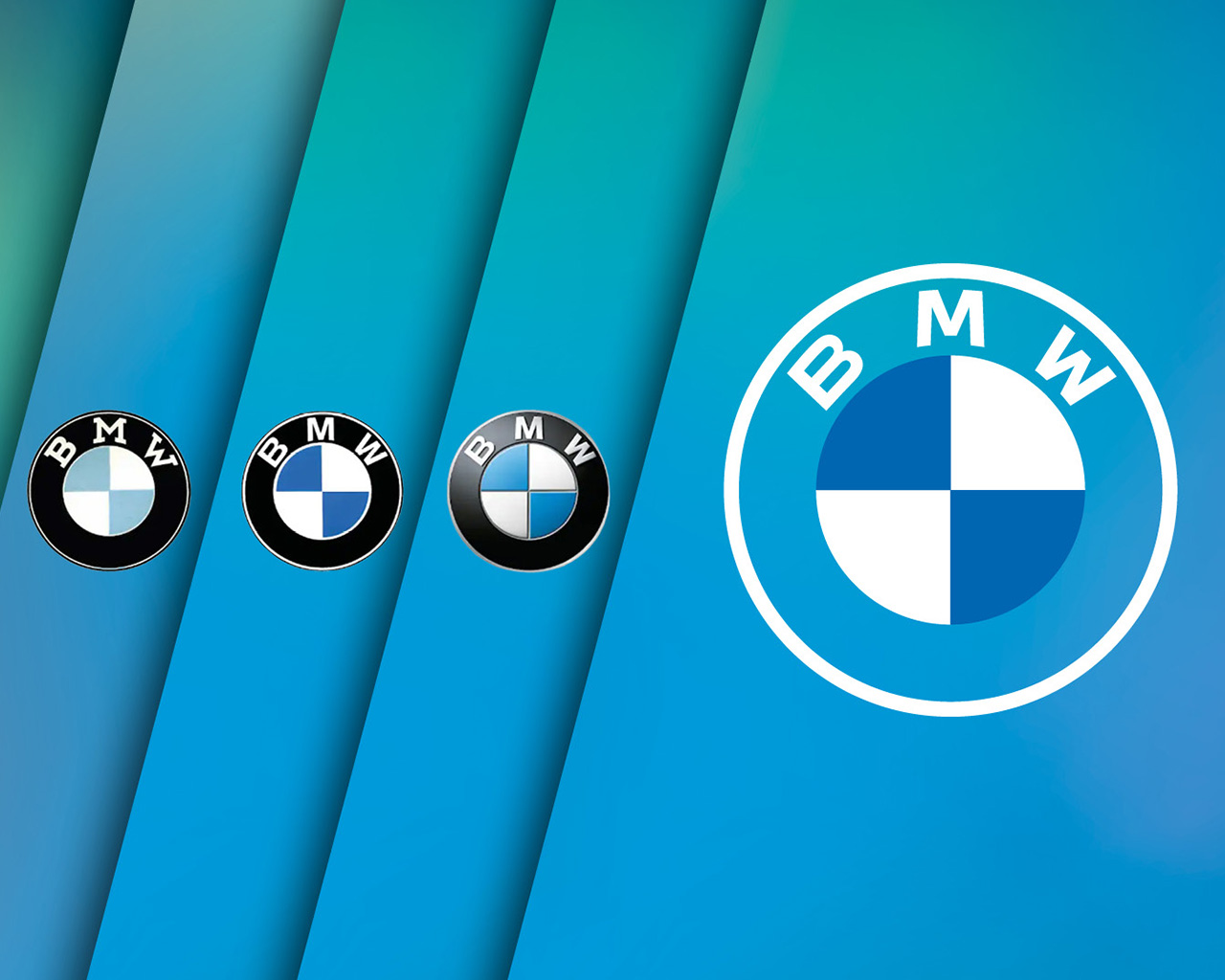
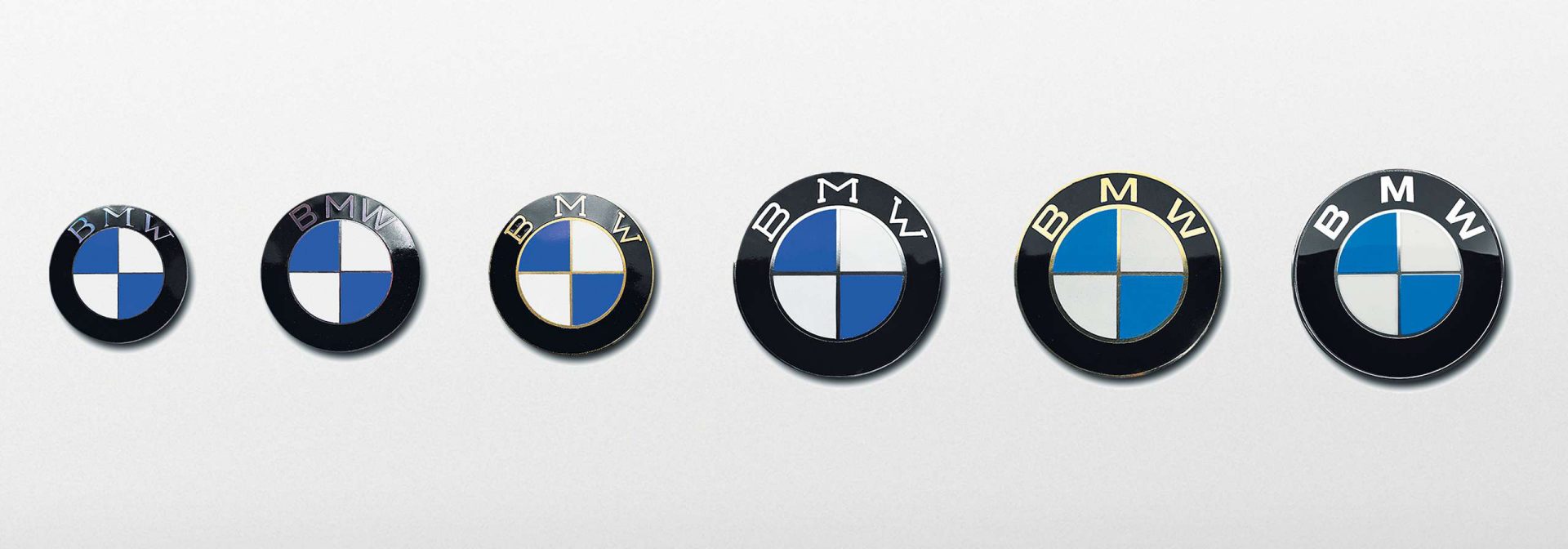
The history of the BMW Group dates back to 1916. With its BMW, MINI, Rolls-Royce and BMW Motorrad brands, today the company is one of the world’s leading premium manufacturers of automobiles and motorcycles and a provider of financial and mobility services. With a clear focus on the future, sustainability and efficient resource management are central to our strategy. Discover more about the history of the BMW Group and how its focus has evolved over the years.
1916 – BMW is born.
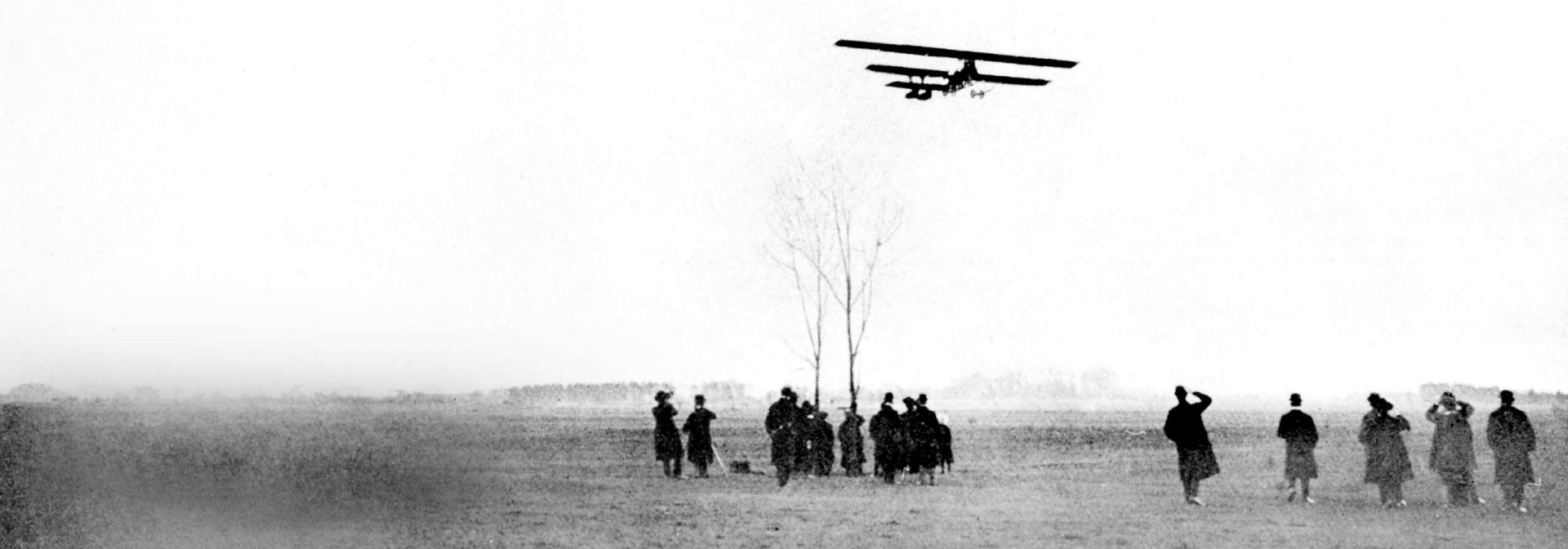
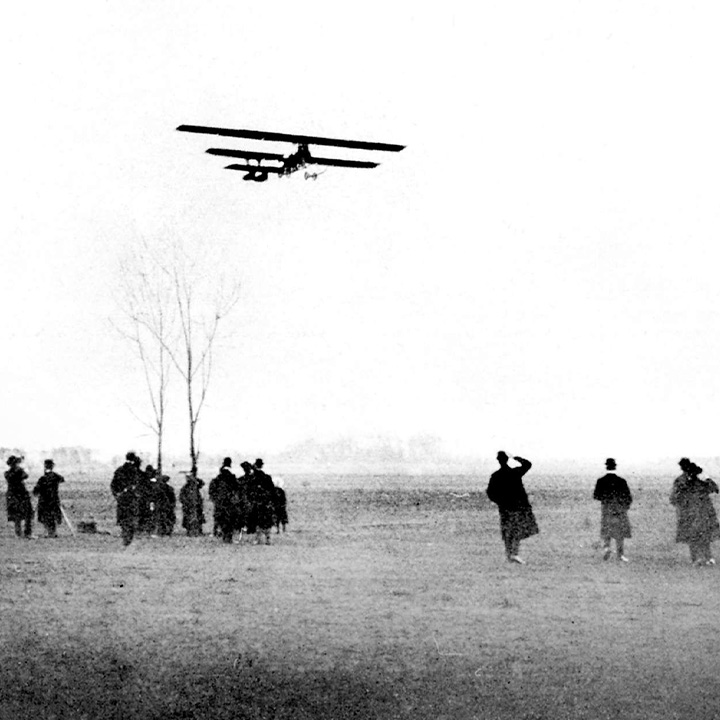
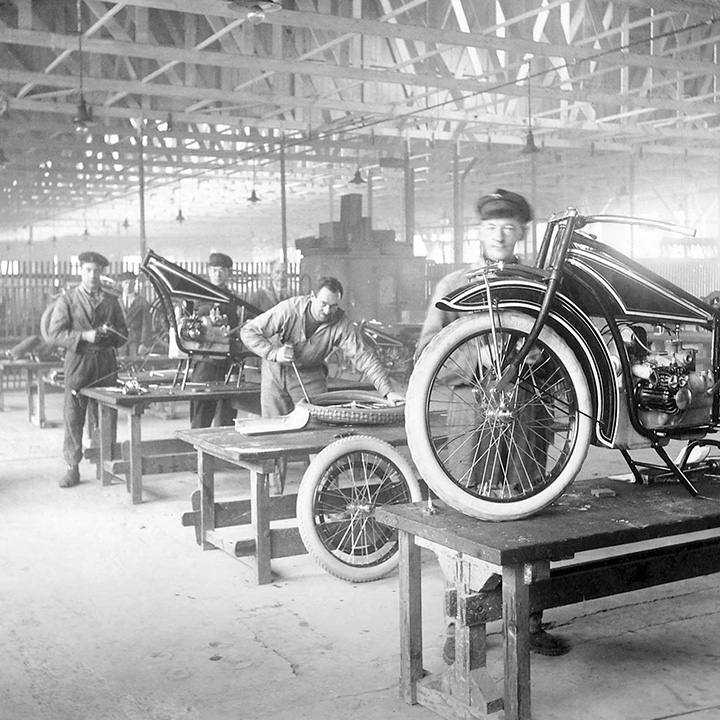
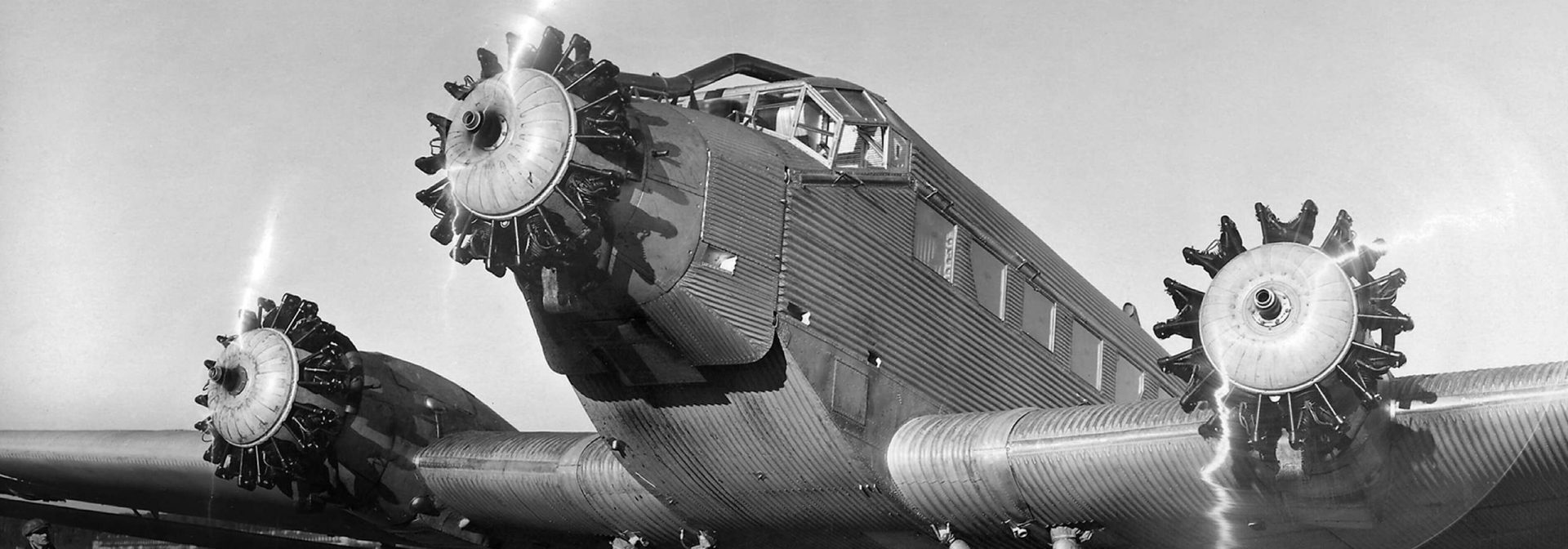
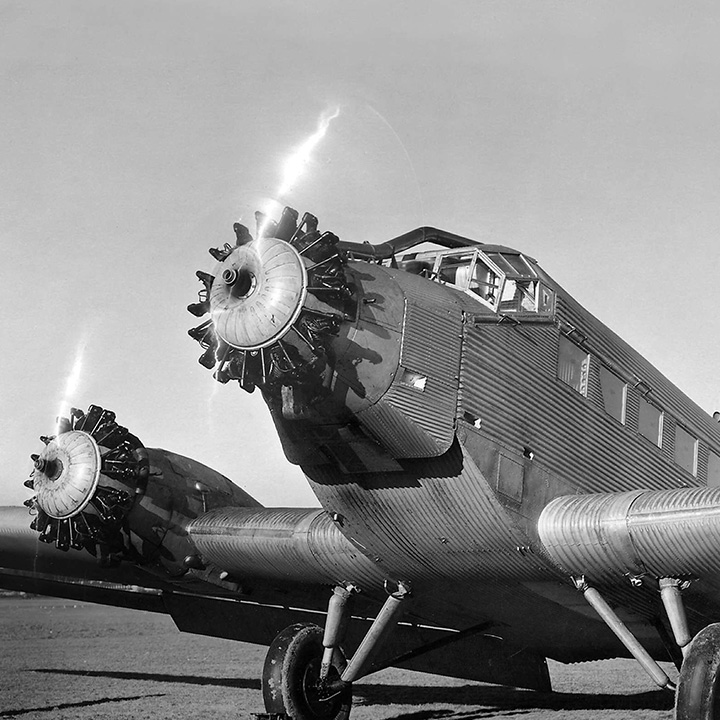
BMW’s origins lie in two aviation-related companies: the aircraft manufacturer Flugmaschinenfabrik Gustav Otto and the aero engine producer Rapp Motorenwerke.
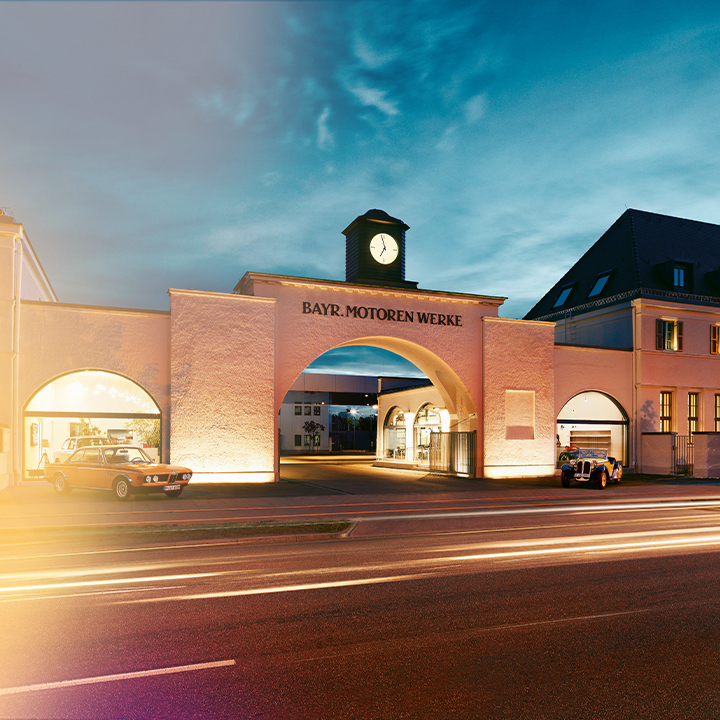
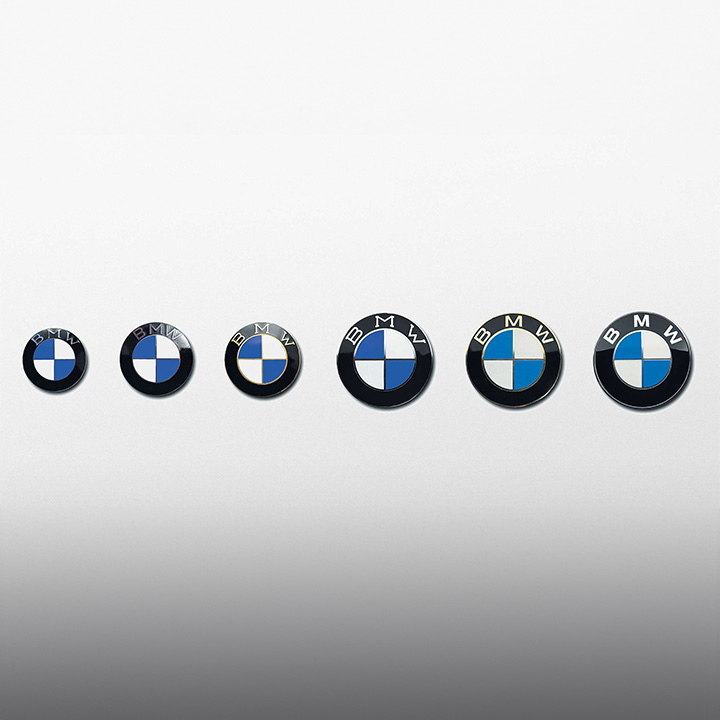
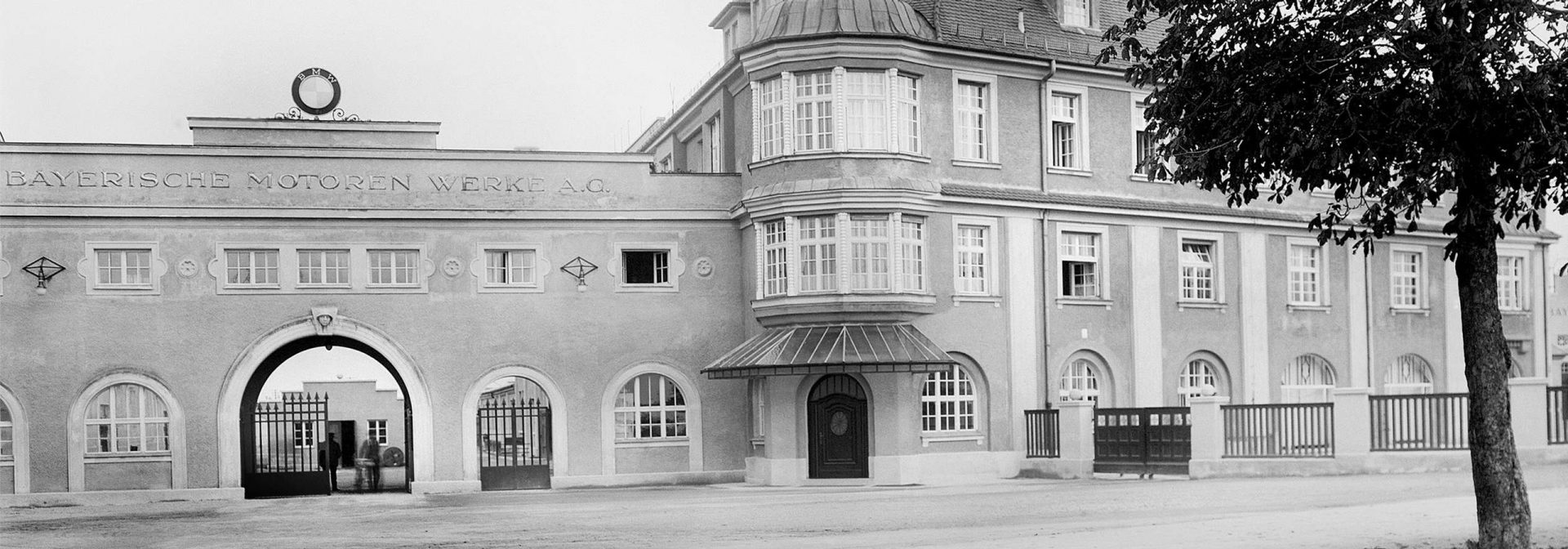
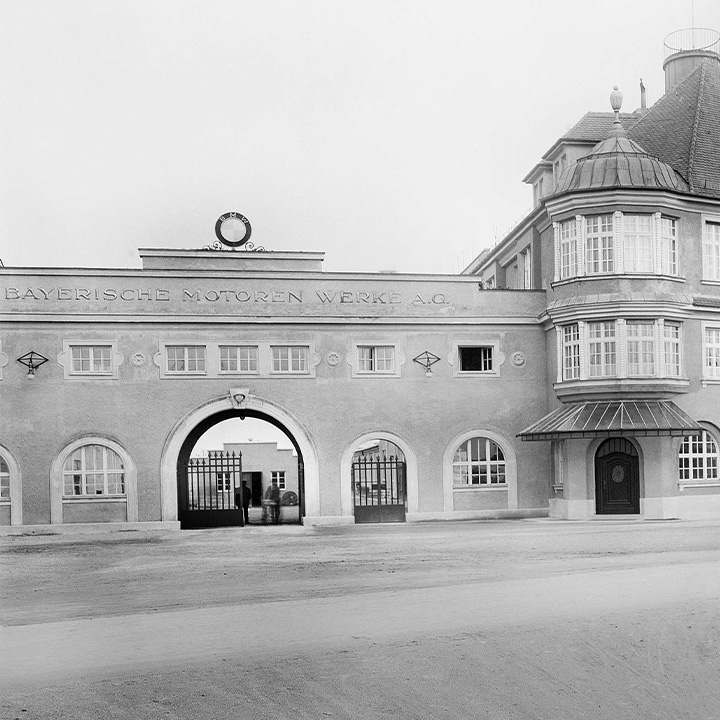
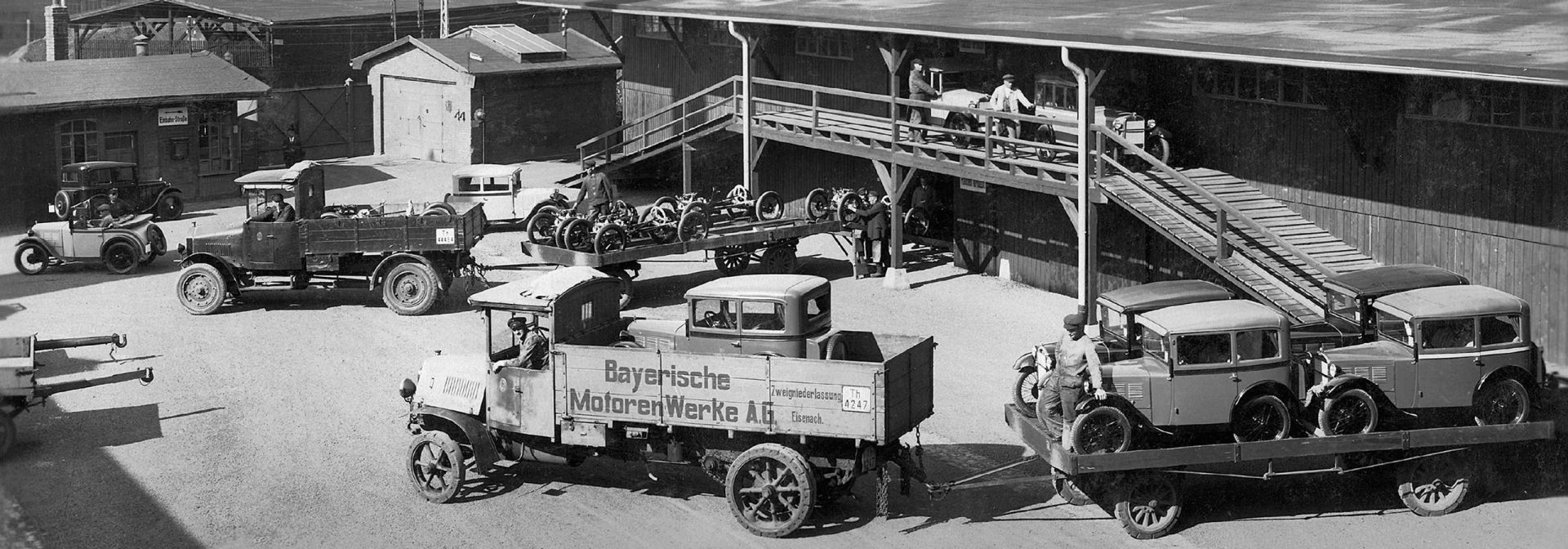
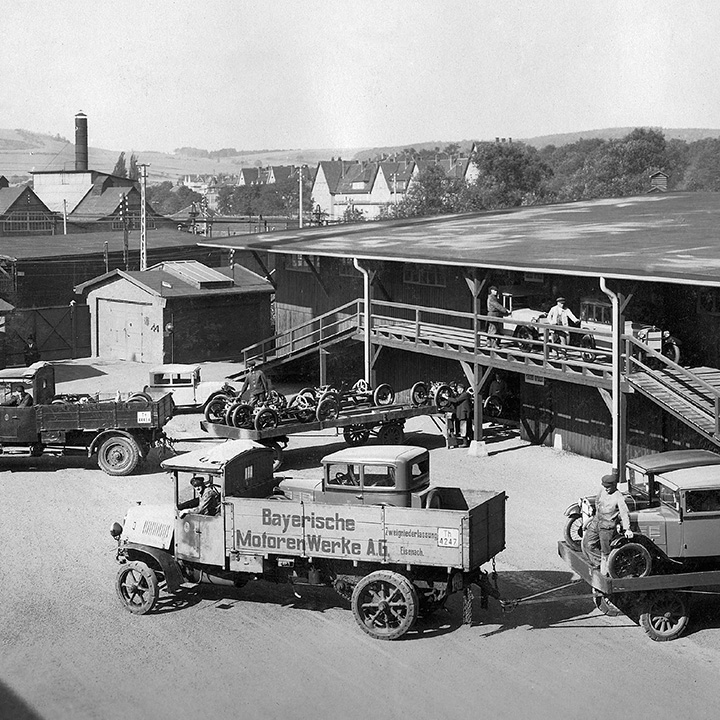
In 1916, at the request of the government, Flugmaschinenfabrik Gustav Otto was reorganised and renamed the Bayerische Flugzeugwerke (Bavarian Aircraft Factory, BFW). One year later, Rapp Motorenwerke was also renamed, becoming Bayerische Motorenwerke GmbH (Bavarian Motor Works, BMW). In 1918, BMW became a public limited company – BMW AG – which in 1922 transferred its name, assets and engine operations to BFW. Since then, the foundation of BFW on 7 March 1916 has marked the official founding date of BMW.
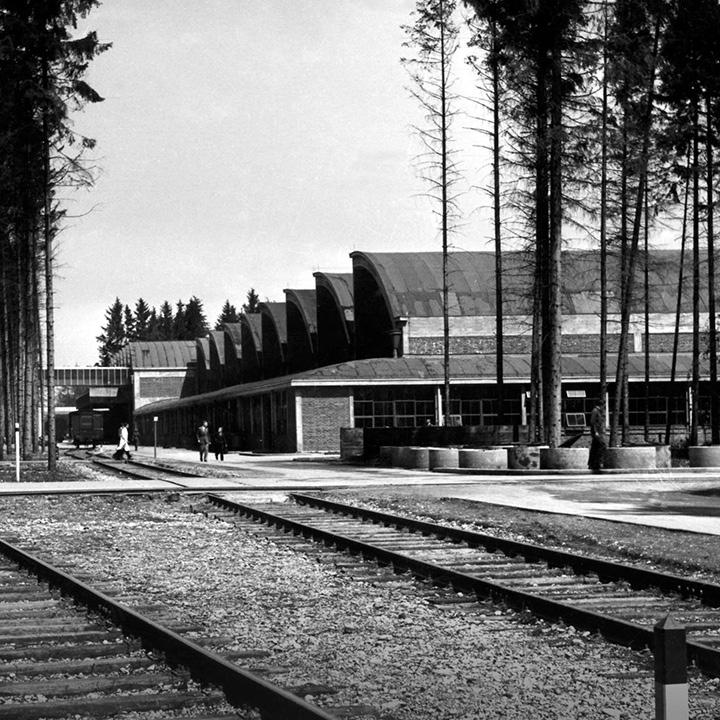

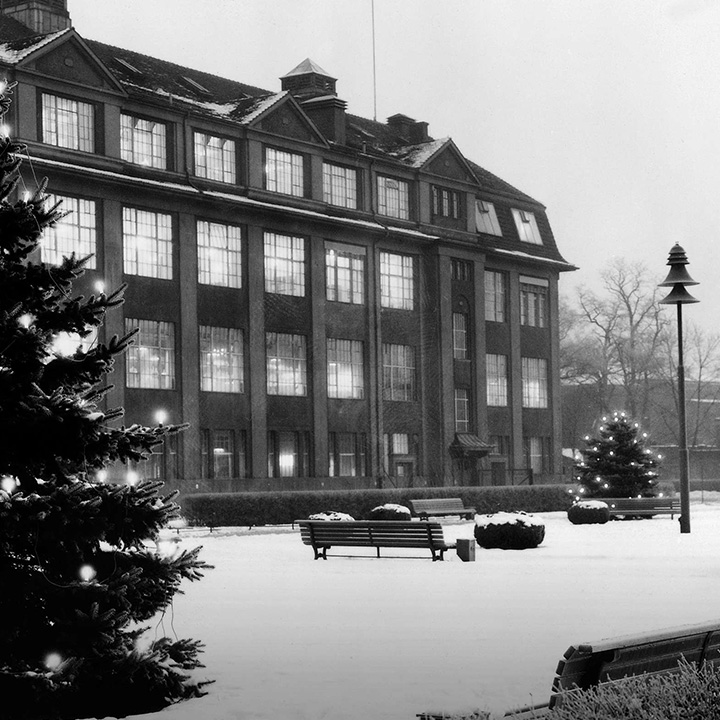
1945 – A difficult return.
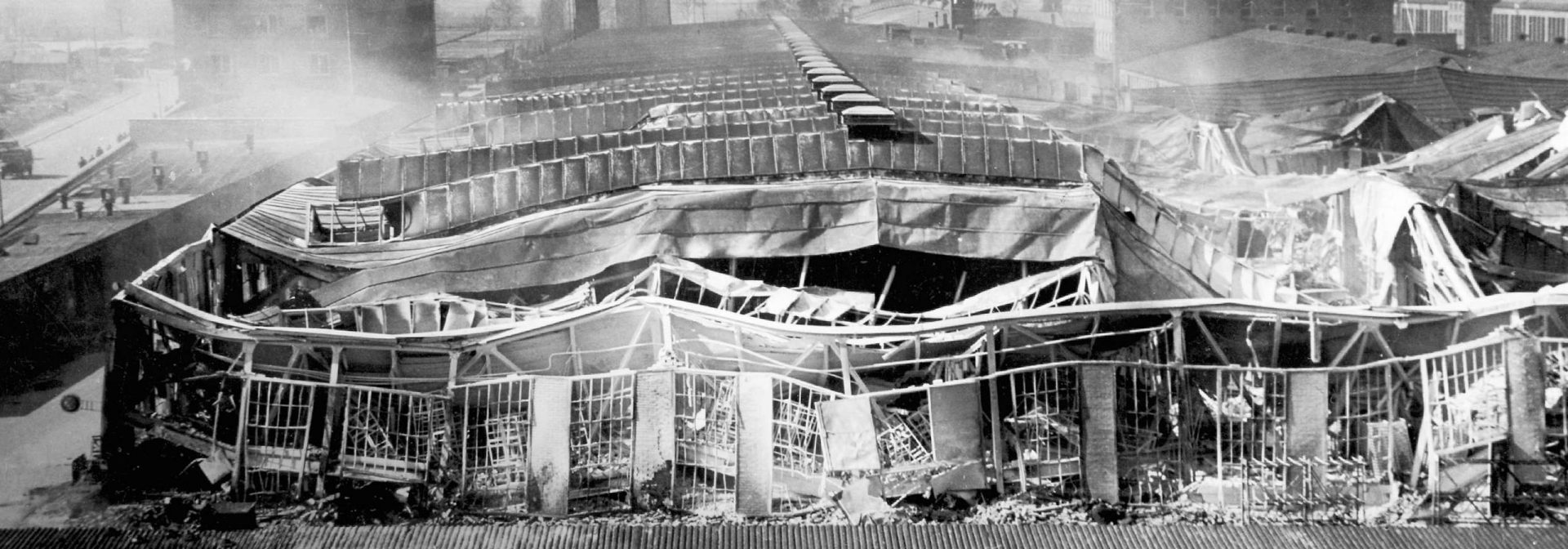
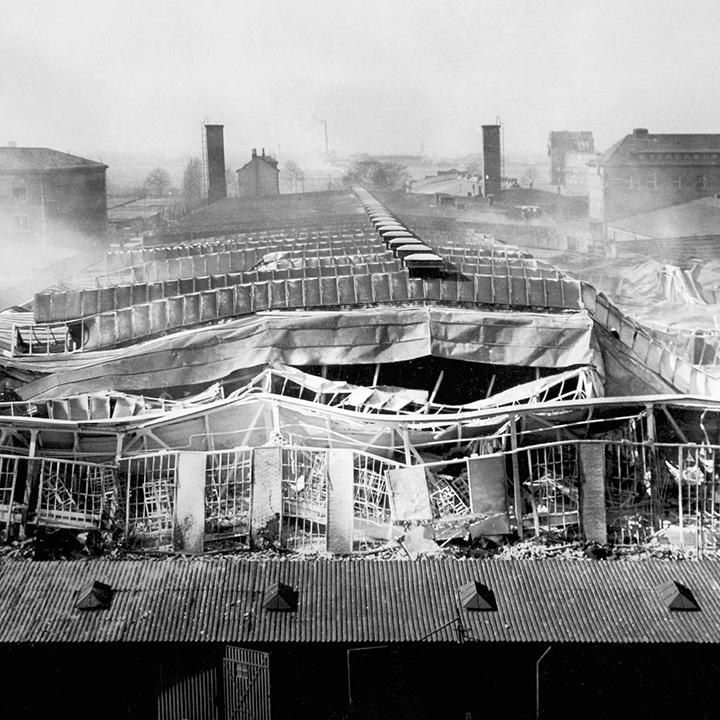
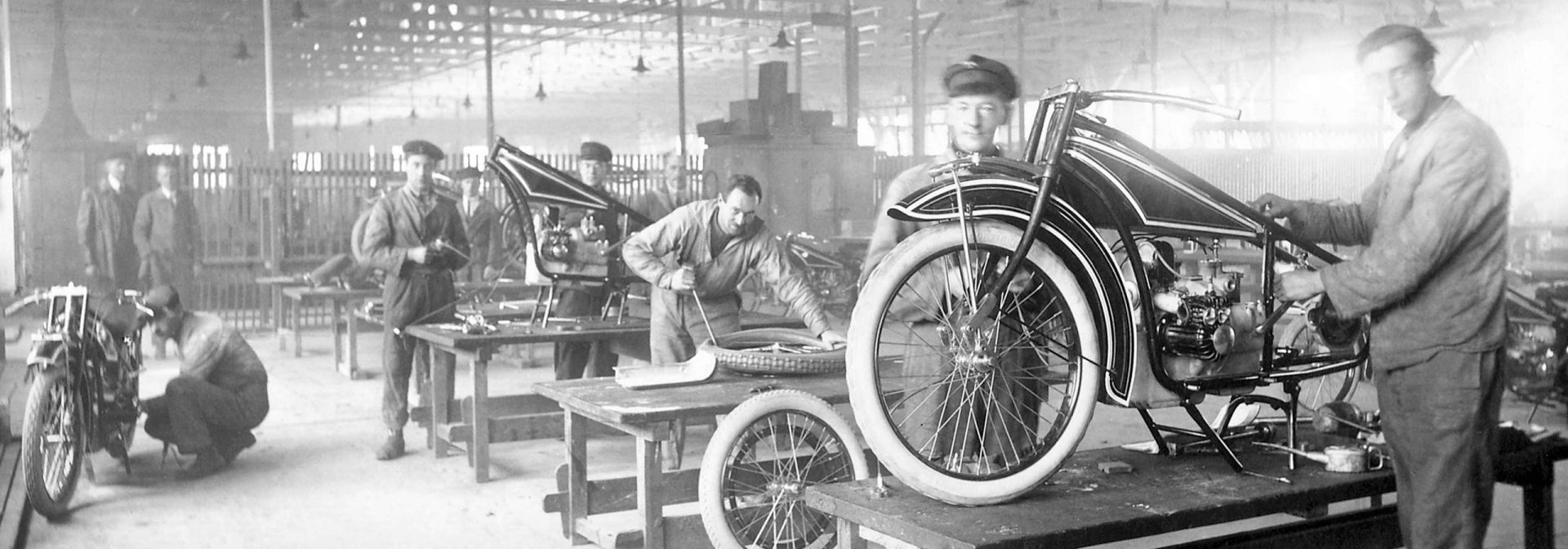
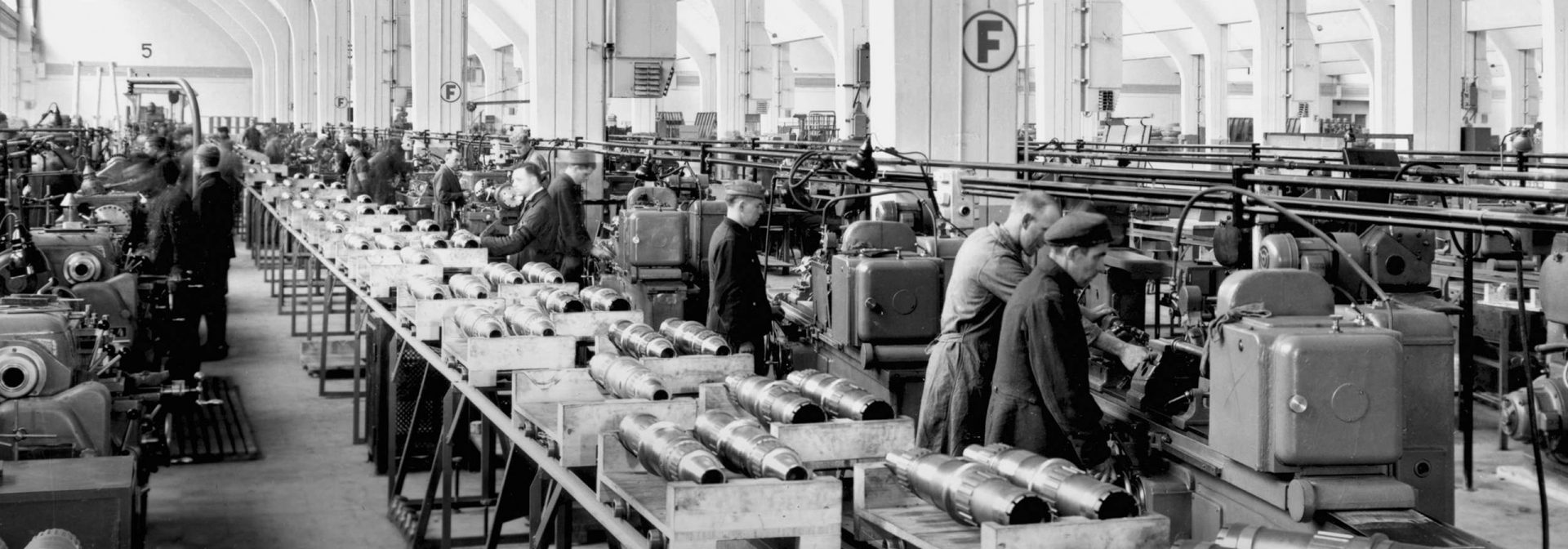
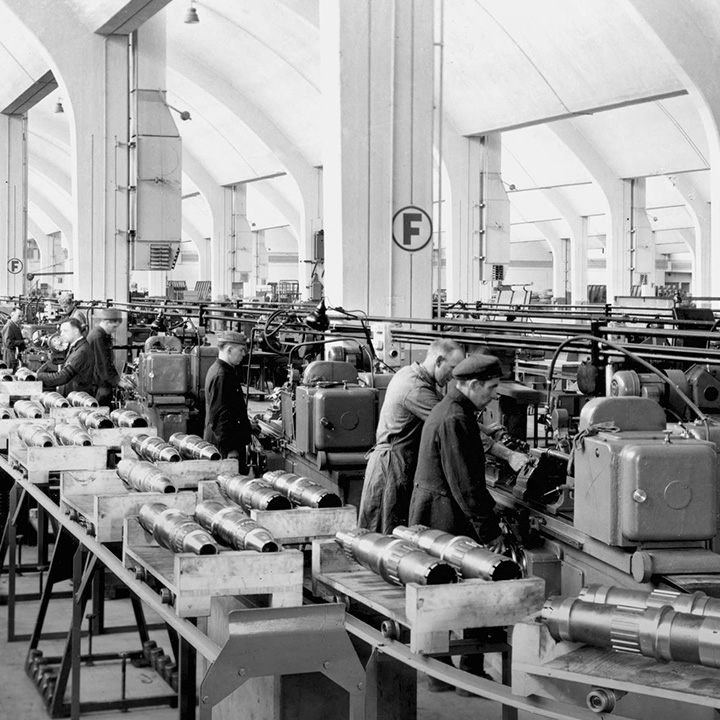
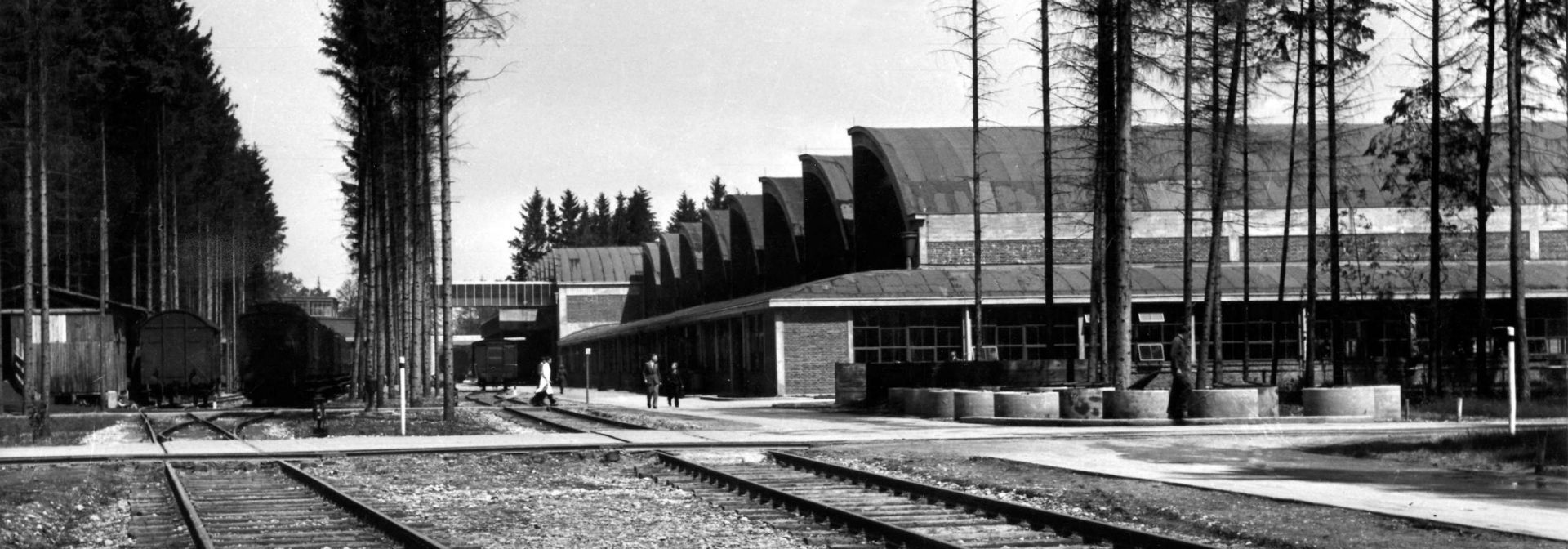
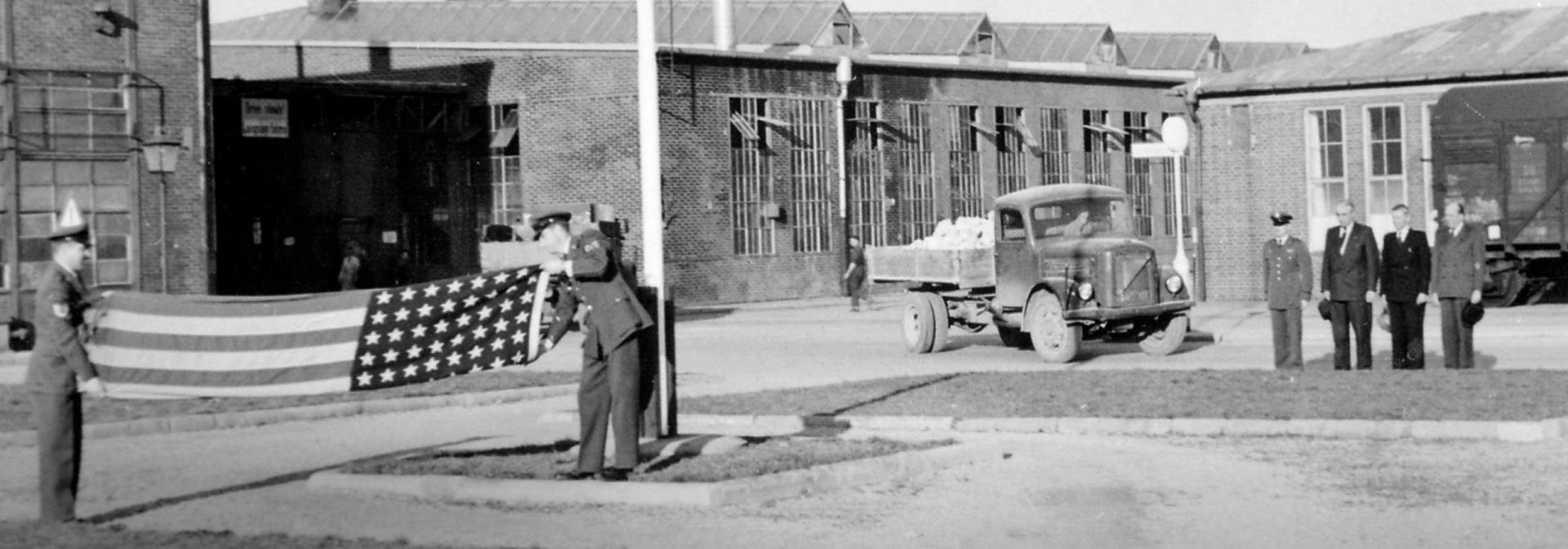
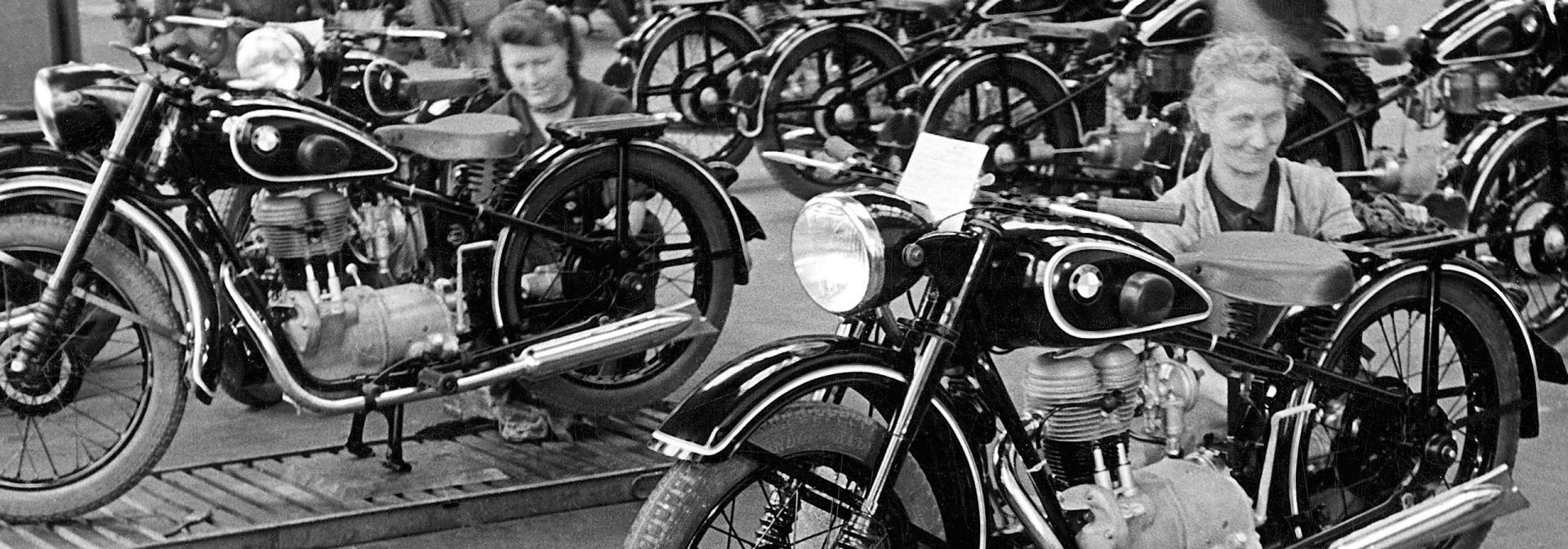
After World War II, allied troops requisitioned and occupied BMW’s plants, dismantling machines and tools because of BMW’s role in armaments manufacturing. From 1945 the BMW plants in Milbertshofen and Berlin mainly produced household appliances, as a temporary solution.
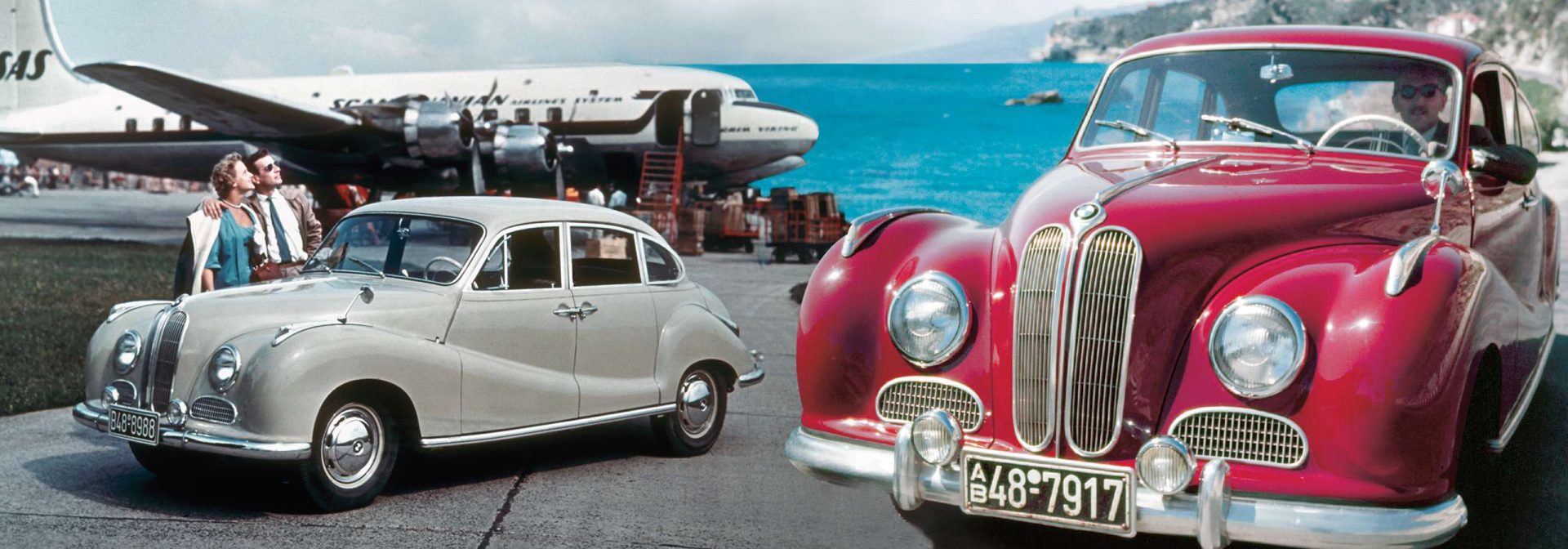
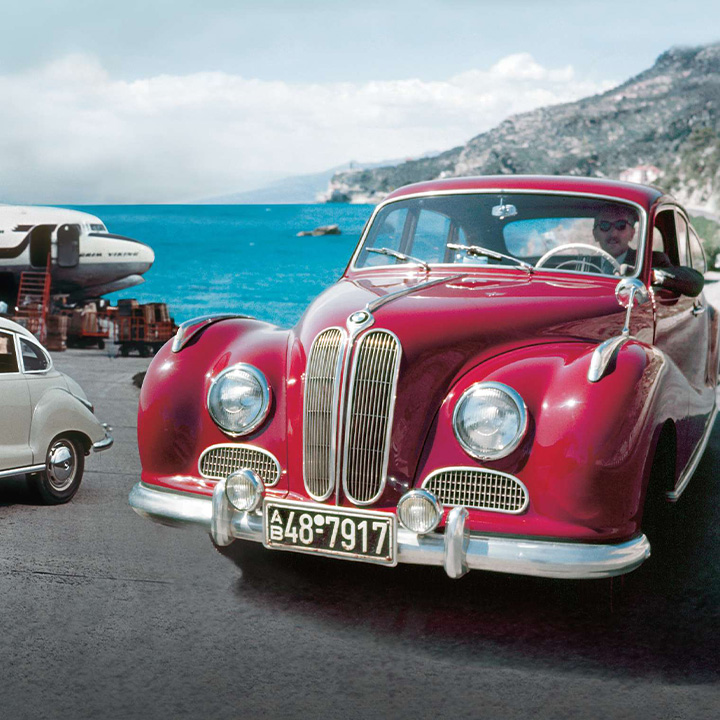
1959 – BMW escapes takeover.


As the 1950s progressed, BMW AG’s position became increasingly precarious. In late 1959 Daimler-Benz submitted an offer to turn the company around, subject to a limited time for acceptance. At the Annual General Meeting on 9 December, however, small shareholders and the workforce rejected the offer. Instead, Herbert Quandt expanded his stockholding, motivated by the perseverance of the workforce and by his own confidence in the company. With temporary financial support from the government, Quandt was able to turn BMW around the following year.


1973 – BMW builds iconic HQ and BMW Museum.


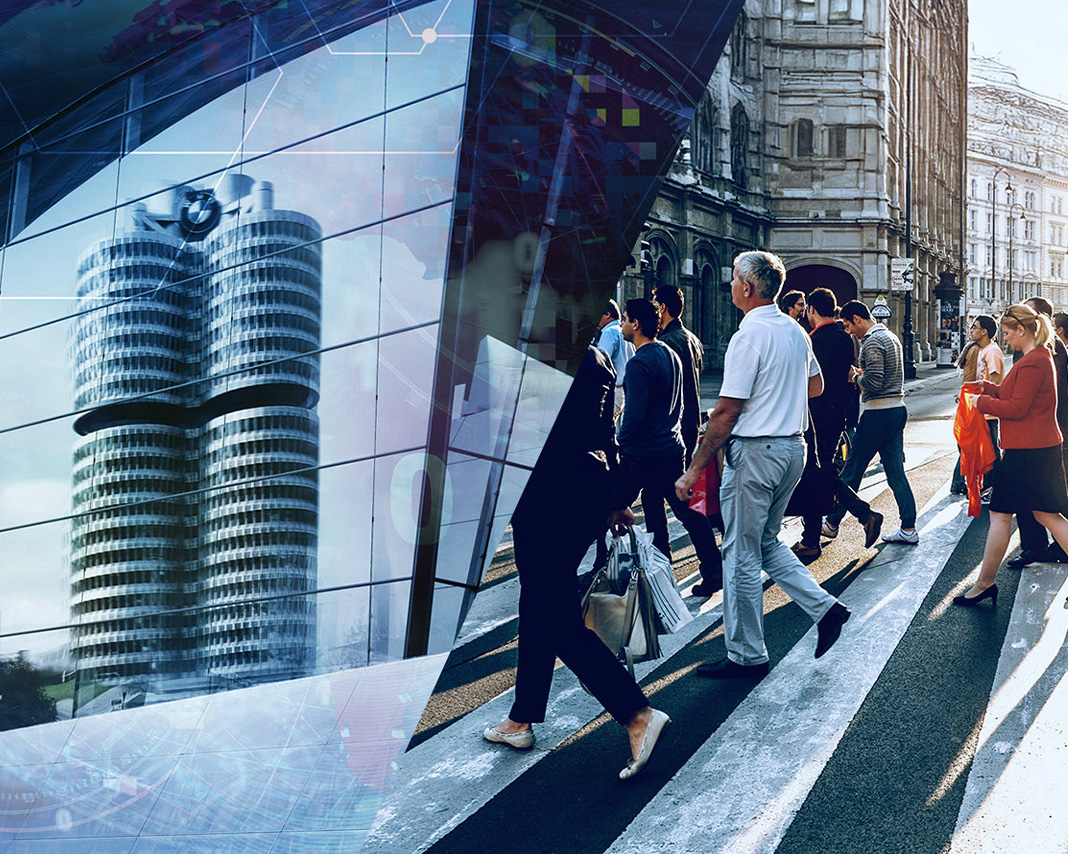
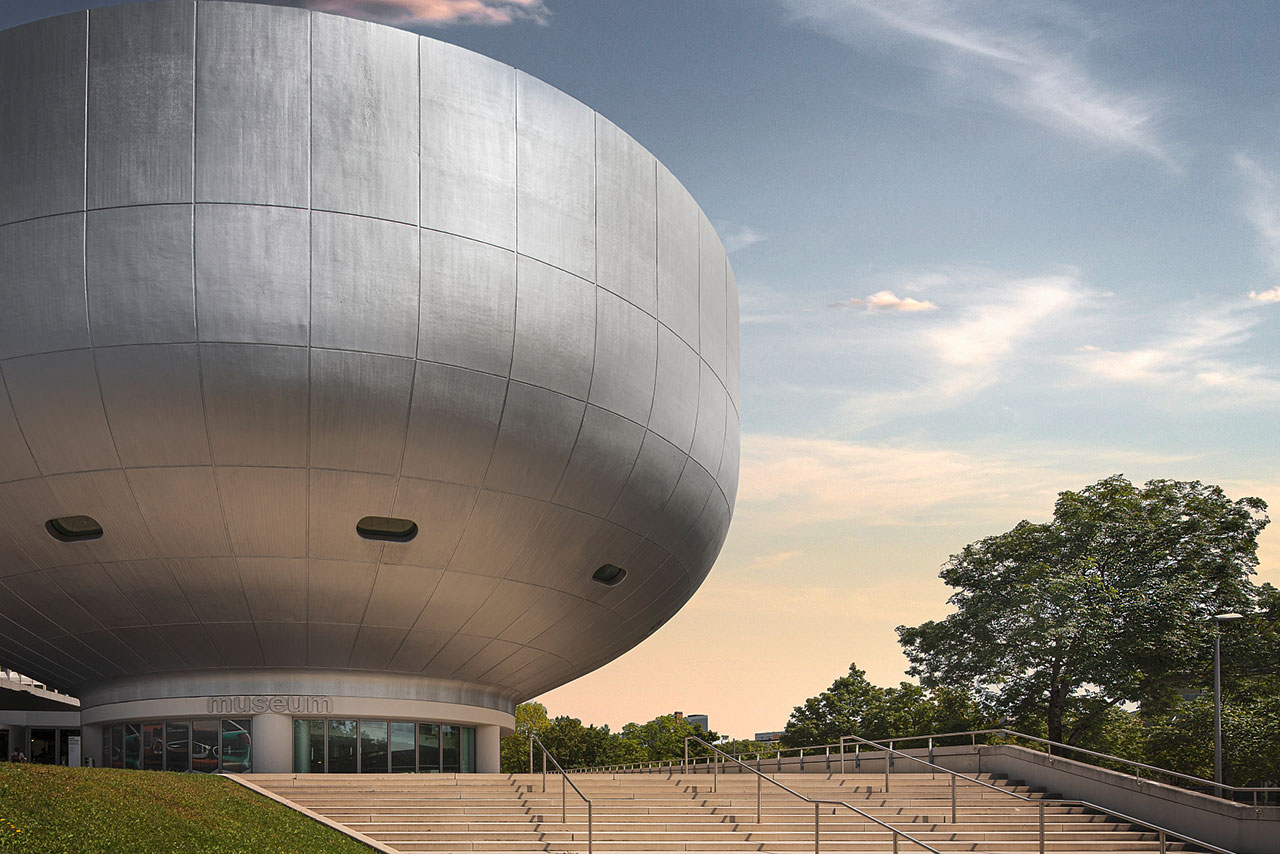
Construction of the new administrative building in the north of Munich had begun in 1970. Thanks to its distinctive four-cylinder shape, the new headquarters soon became a notable landmark for both the company and the city. Alongside it, the BMW Museum was added – a bowl-shaped building that also remains unique to this day. The new complex was officially opened on 18 May 1973.


1990 – BMW Research and Innovation Centre: Thinktank with a difference.


In 1986 BMW AG became the first carmaker to centralise all its R&D under a single roof. The Research and Innovation Centre – known by employees as the FIZ – accommodated an integrated team of around 7,000 scientists, engineers, designers, managers and technicians. It officially opened on 27 April 1990. In 2004 the complex was expanded, with the addition of the Projekthaus. This was planned according to the principles of “constructed communication”. It was built in the space of two years and has a footprint of 12,000 m2. The nine-story building has an open gallery-style layout with an atrium. Its offices, studios and meeting rooms form the new heart of the FIZ.


1998 – Rolls-Royce.


In July 1998, BMW acquired a piece of automotive history. Following long negotiations, the company obtains the brand and naming rights for Rolls-Royce motor cars from Rolls-Royce plc. Rolls-Royce is held entirely by Volkswagen until the end of 2002, when BMW takes on full responsibility for Rolls-Royce Motor Cars, along with all rights. The new Rolls-Royce plant and a new company headquarters are built in Goodwood, in southern England. This is the sixth facility constructed since 1904, scheduled to manufacture newly developed Rolls-Royce models from the start of 2003.


First unveiled as a concept car in 1997, the new MINI was launched by the BMW Group in 2001 – the first premium vehicle in the small-car segment. MINI’s advanced design combined with the athletic, cheeky character expressed the lifestyle of an entire generation. The MINI Hatch was the first in 2001 – with many more model variants to follow.


2013 – BMW i3 is launched.


The BMW i3 took the BMW Group into a new era of electric mobility. Presented by the BMW i sub-brand, it was the first series-produced fully electric model by the BMW Group. It offered a completely new driving experience coupled with captivating agility and joy. Sustainability in its most electrifying form!


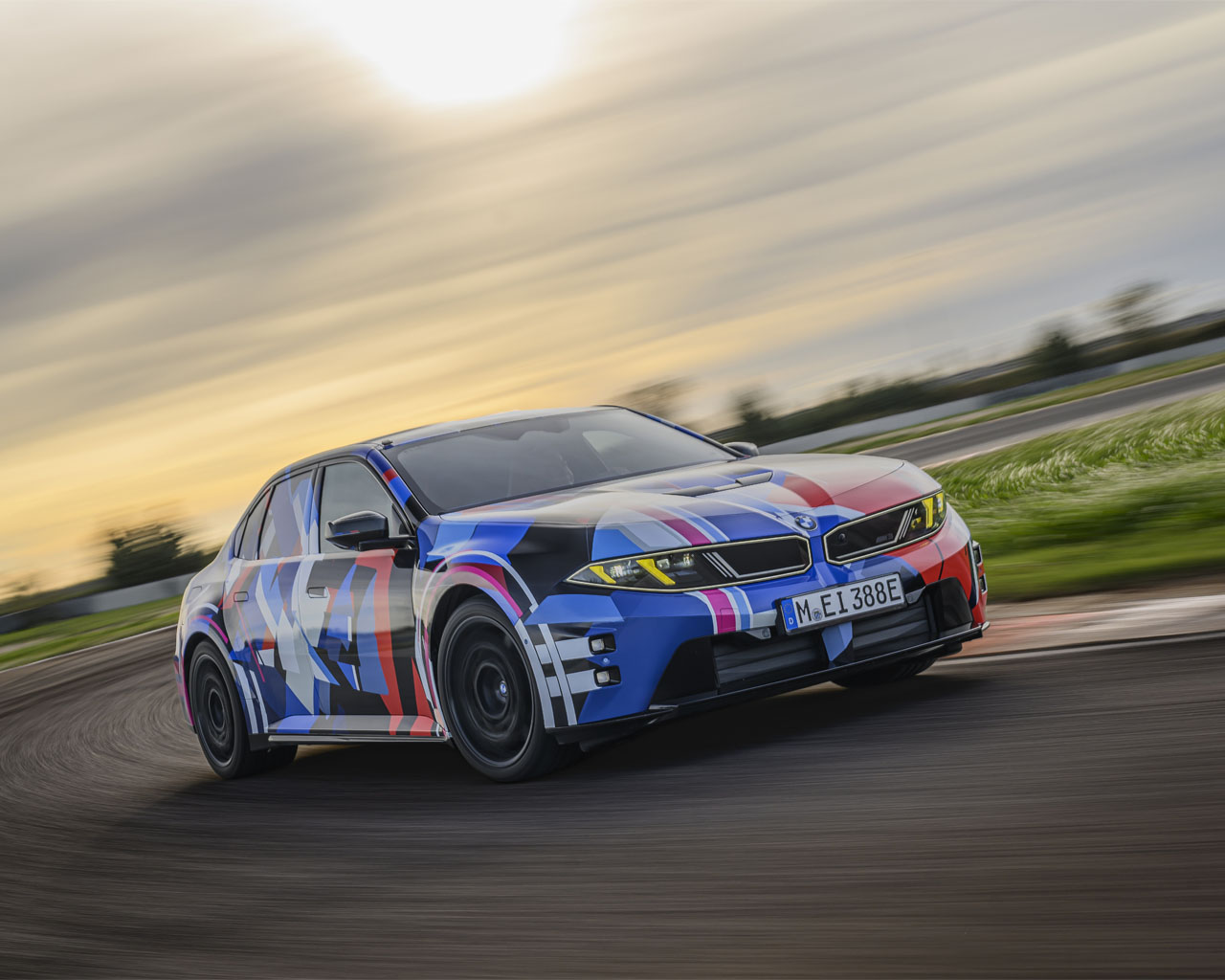
2025 – Debut of the first Neue Klasse model. The new BMW iX3.

This content was created using AI.

This content was created using AI.
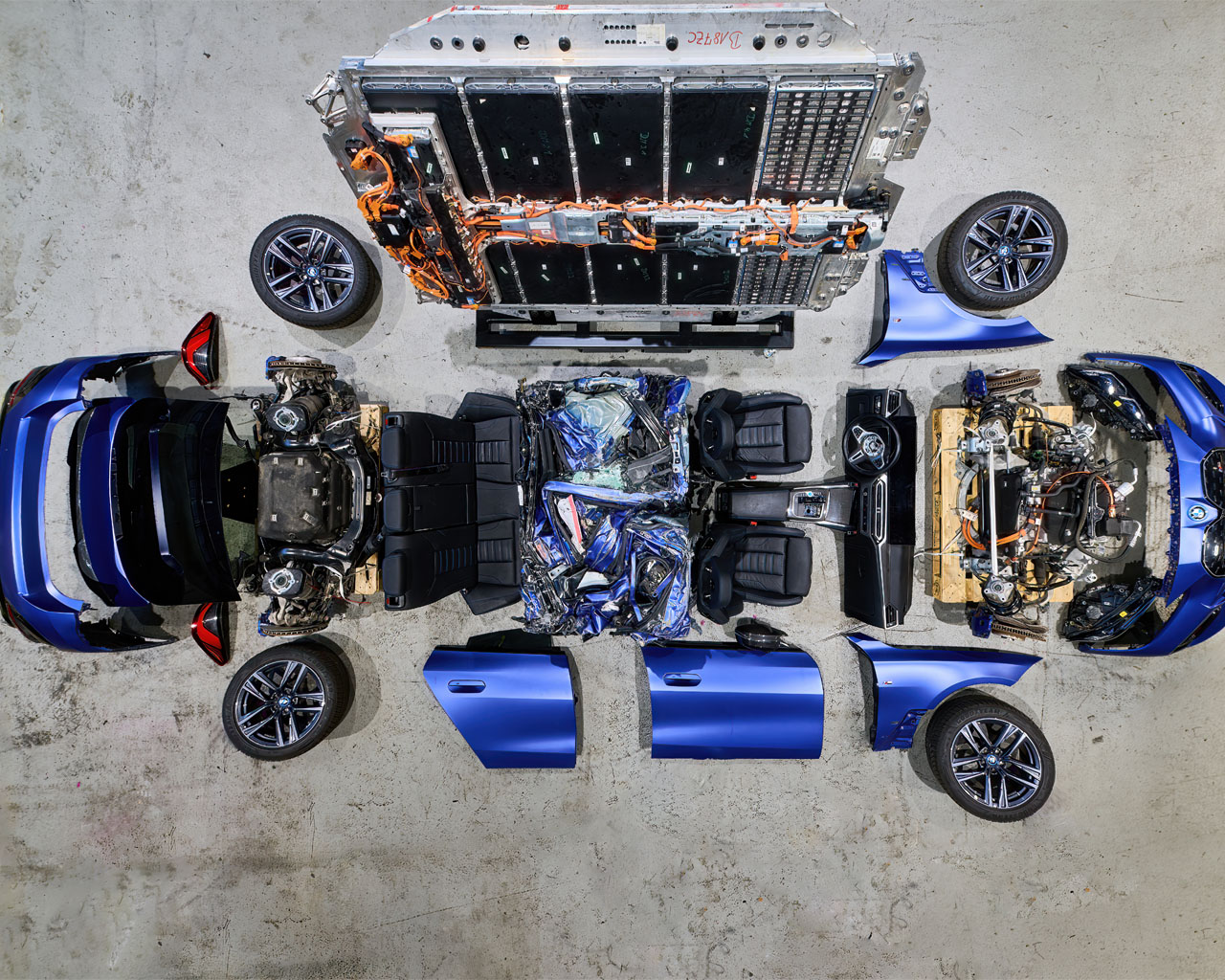
In September 2025 the BMW Group heralded a new chapter in its history with the debut of the new BMW iX3 at the IAA Mobility in Munich. As the first production model of the Neue Klasse, the iX3 brings a new era of Sheer Driving Pleasure to the road. The fully electric BMW iX3 50 xDrive combines sixth-generation BMW eDrive technology with a range of 805 km (WLTP) and peak charging capacity of 400 kW. As part of the new electronics architecture, the central control unit – called the Heart of Joy – comprises four high-performance computers, known as Superbrains. Together with the intuitive BMW Panoramic iDrive, it stands for the modular innovation toolkit that will form the basis for 40 new models and updates by 2027.