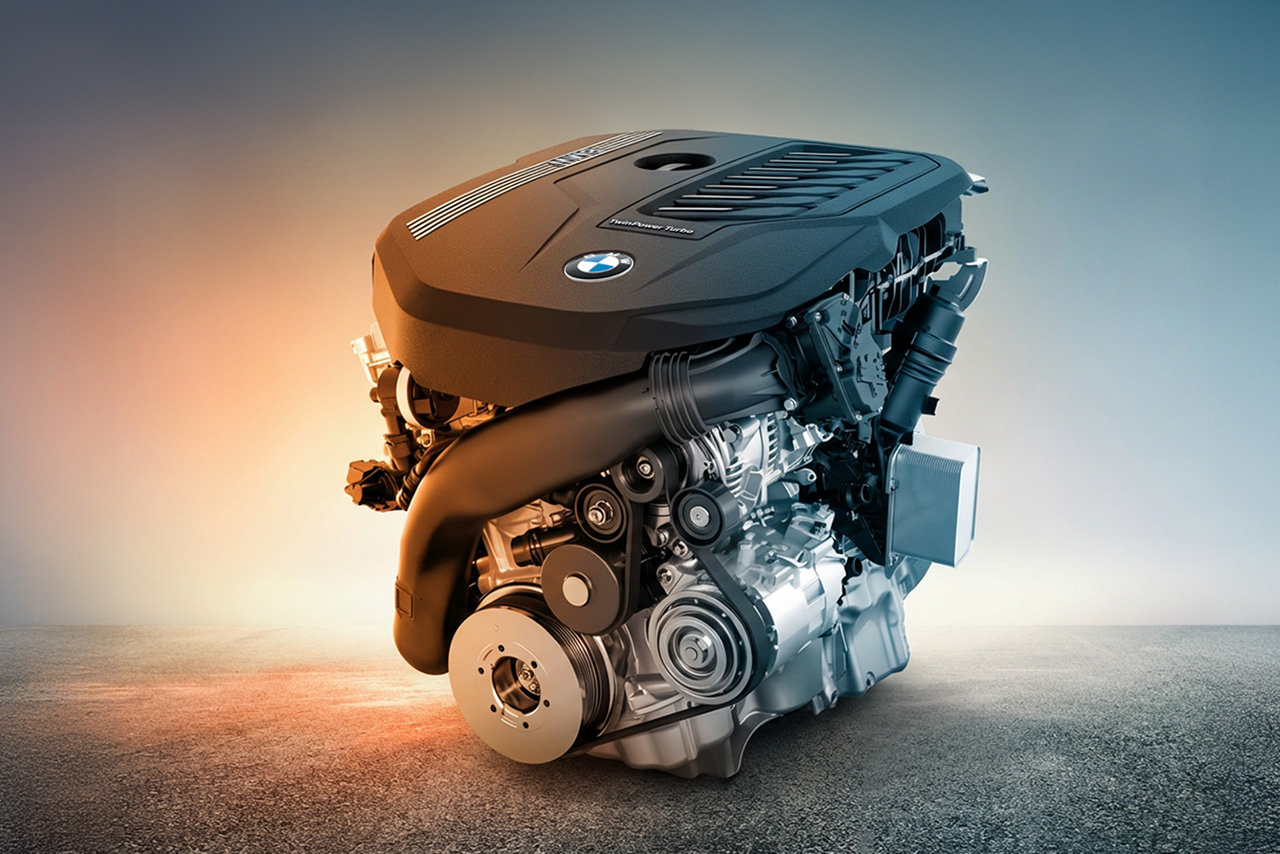







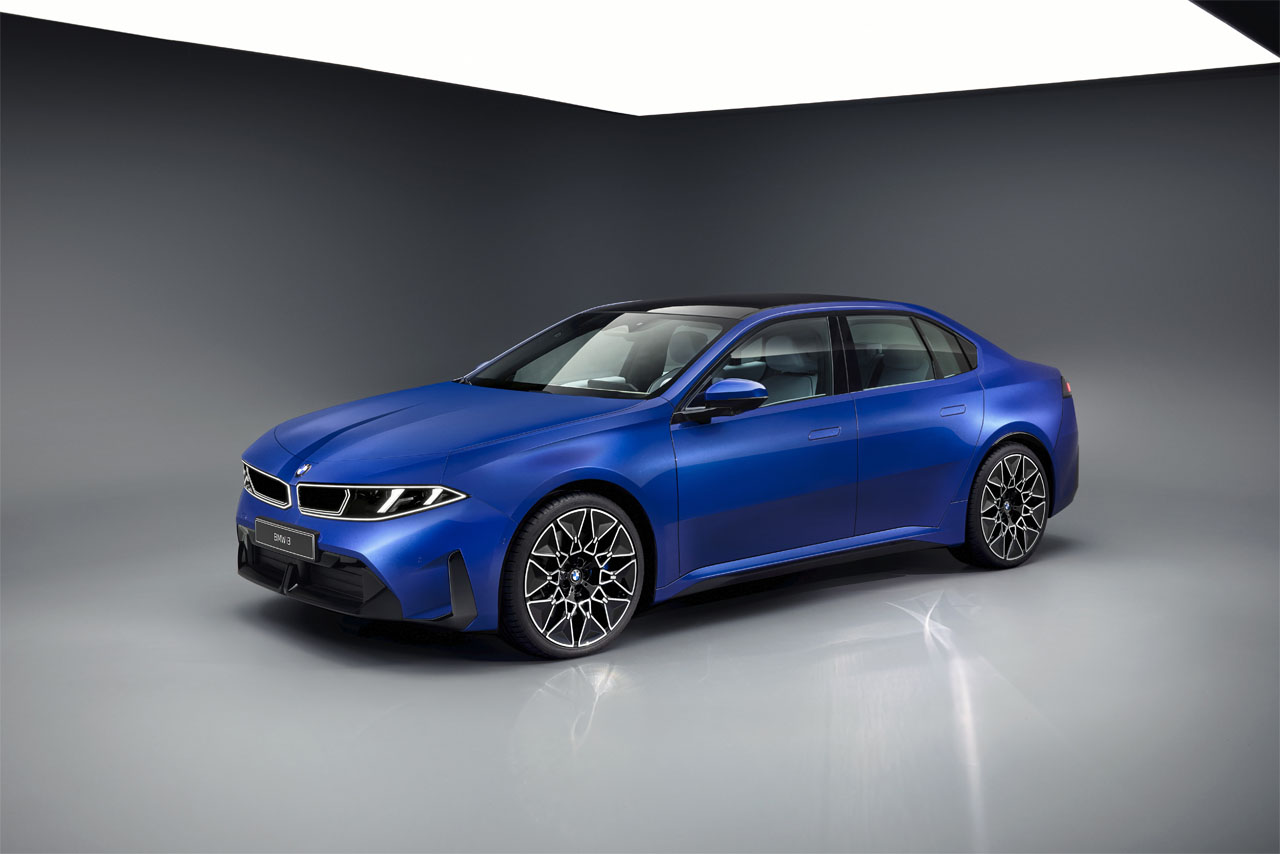
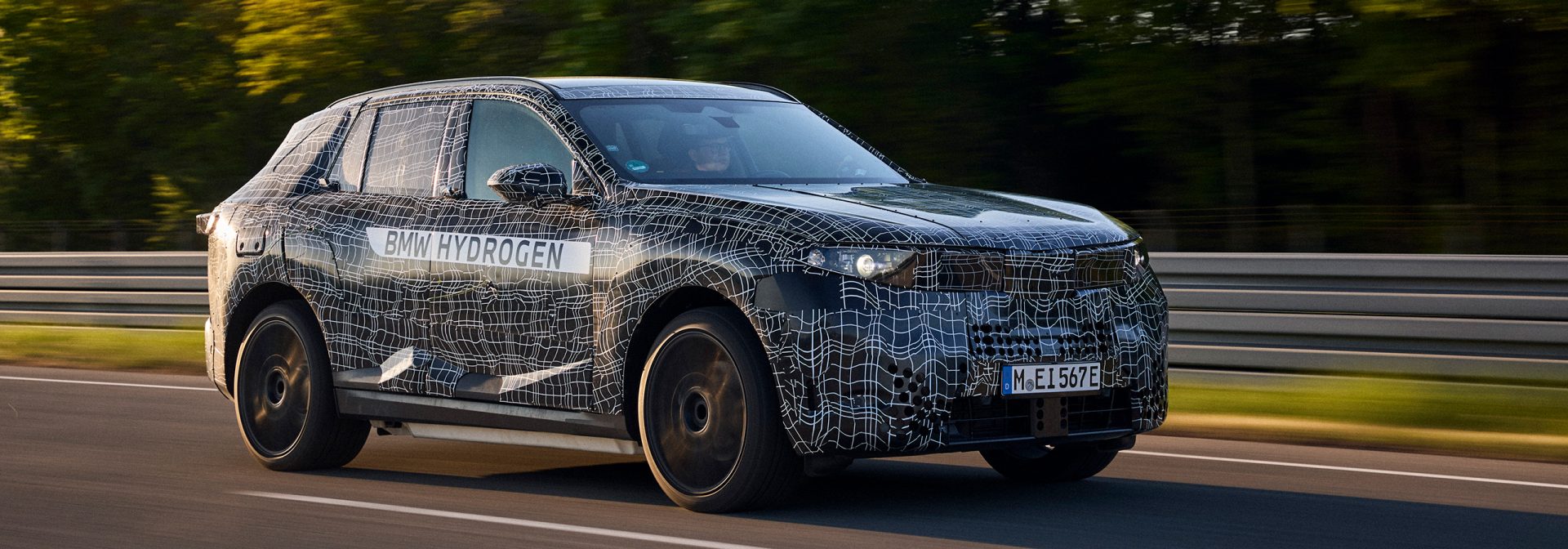
With 45 years of experience in hydrogen technology and over 20 in fuel cells, the BMW Group is a pioneer in alternative drive technologies. Now, the new BMW X5 is set to be the first model on the market to offer a choice of five different drives: petrol, diesel, plug-in hybrid, battery-electric or hydrogen fuel cell. Joining the lineup in 2028, the BMW iX5 Hydrogen will be the first mass-produced hydrogen-powered model in the BMW Group’s portfolio. Its arrival underscores our strategy of offering a diverse range of drive solutions that meet different customer and regulatory requirements worldwide.
For a look back at our innovation milestones and more on the latest developments and options for the future, visit our hydrogen milestone page.
Why hydrogen?
Hydrogen is considered a promising fuel for the future, with the potential to play a major role in global decarbonisation. By storing excess energy from wind and solar and releasing it later as needed, hydrogen can help to offset fluctuations in the electrical grid and support the more stable and reliable integration of renewables into the energy network. Hydrogen-powered mobility also provides an important complement to electromobility, as it offers a second mainstay alongside battery electric vehicles.
Hydrogen for mobility:
Fuel-cell technology – here’s how it works
Fuel cells generate electricity through an electrochemical reaction: inside the cells, hydrogen from the vehicle’s tanks combines with oxygen from the air to produce a current that powers the motor. The only byproduct of this process is water vapour. A hydrogen-powered car, therefore, combines zero local emissions and other advantages of electromobility with the fast refuelling of a petrol or diesel car.
The fuel cell system comprises not only the actual cells but also the various other components needed to ensure safe, efficient operation. These include hydrogen and air subsystems, control units and the cooling system. Arranged in a compact layout, they deliver signature BMW power and safety along the drivetrain.
FUEL CELLS –
The centrepiece of the hydrogen drive.
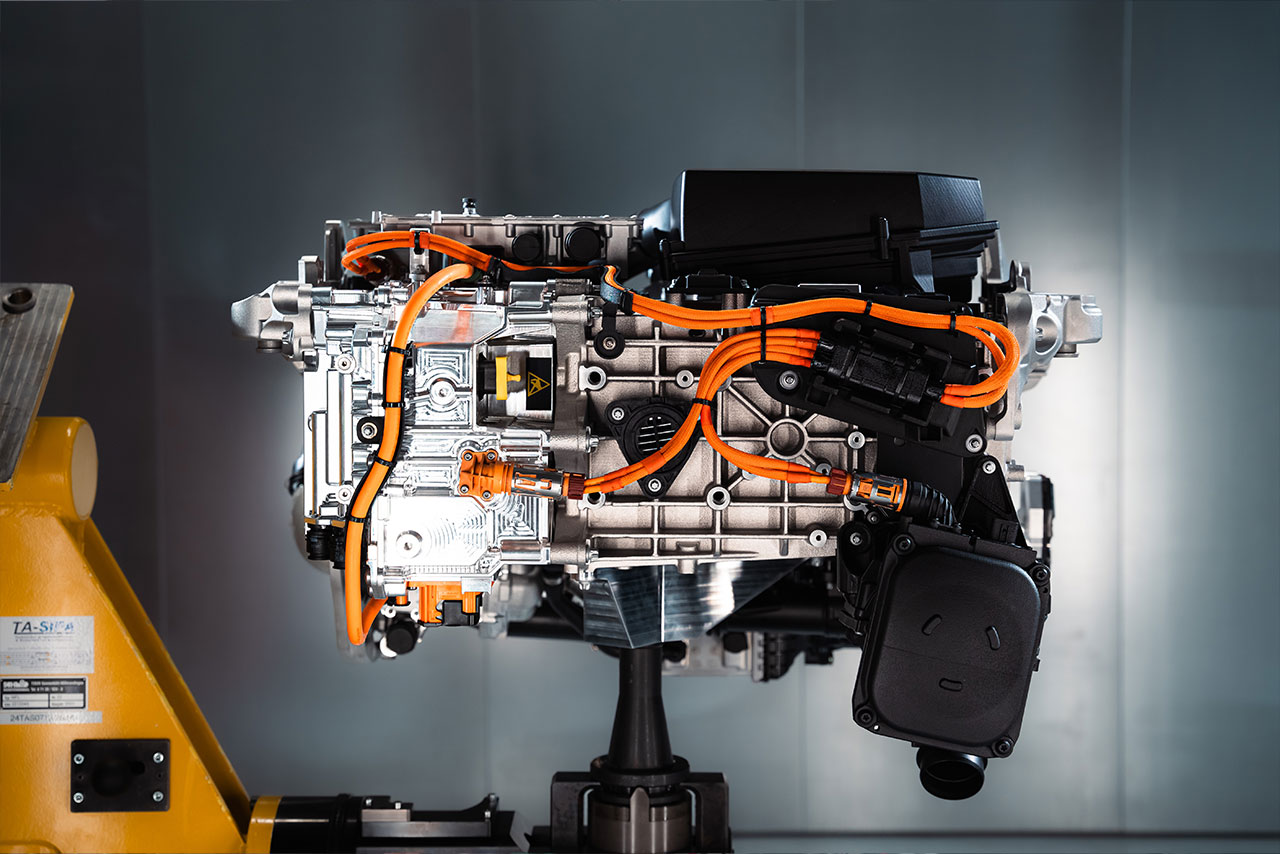


The hydrogen drive technology is based on the third-generation fuel-cell system currently being developed jointly by the BMW Group and the Toyota Motor Corporation. This technical innovation enables a more compact design and improved efficiency. It also combines stronger performance with lower energy consumption. The first prototypes are already being produced at dedicated centres of excellence in Munich and at BMW Group Plant Steyr.
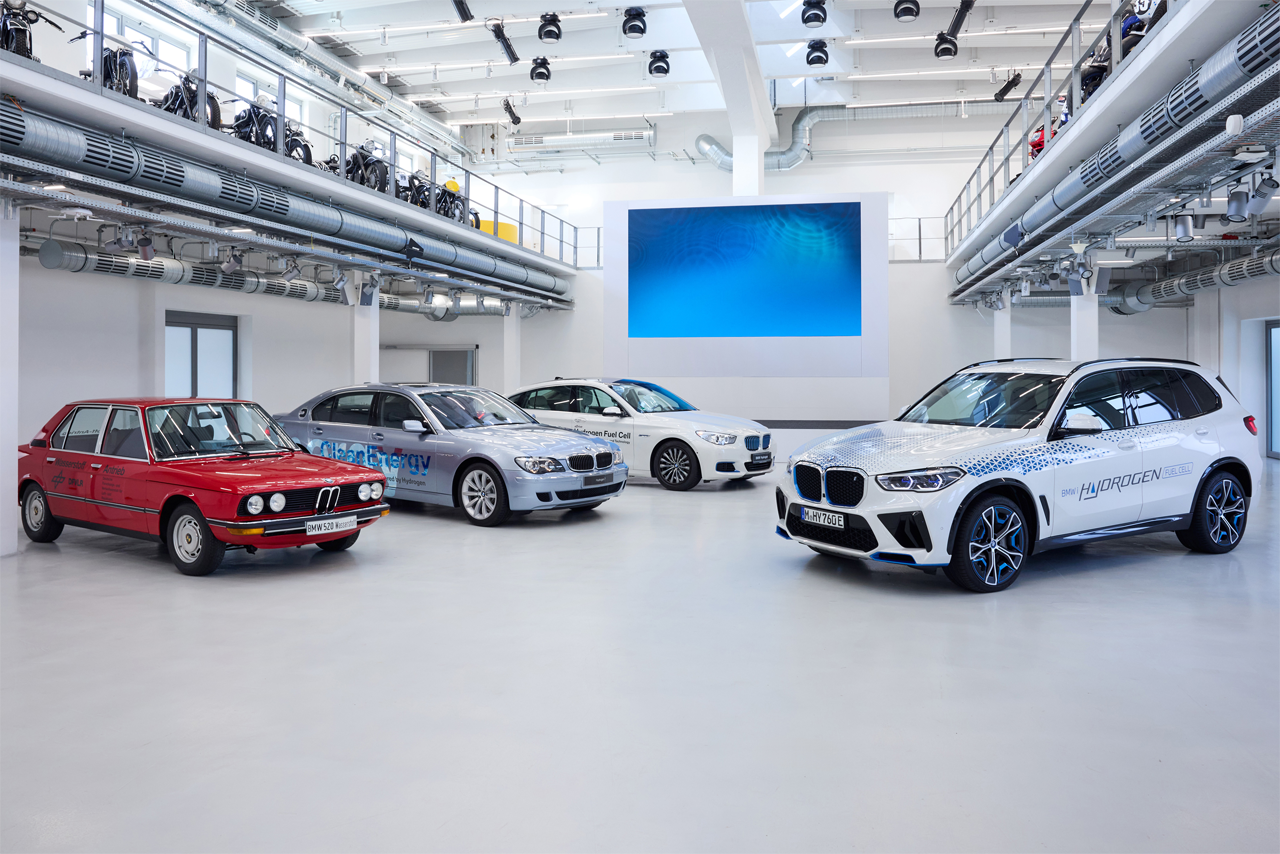
The first-generation hydrogen fuel cell drive – developed entirely by Toyota – was launched in 2014 in the BMW 535iA. The second generation was introduced in the current pilot fleet of BMW iX5 Hydrogen cars. It features a fuel cell system developed entirely by the Munich-based premium carmaker, with individual cells supplied by Toyota.
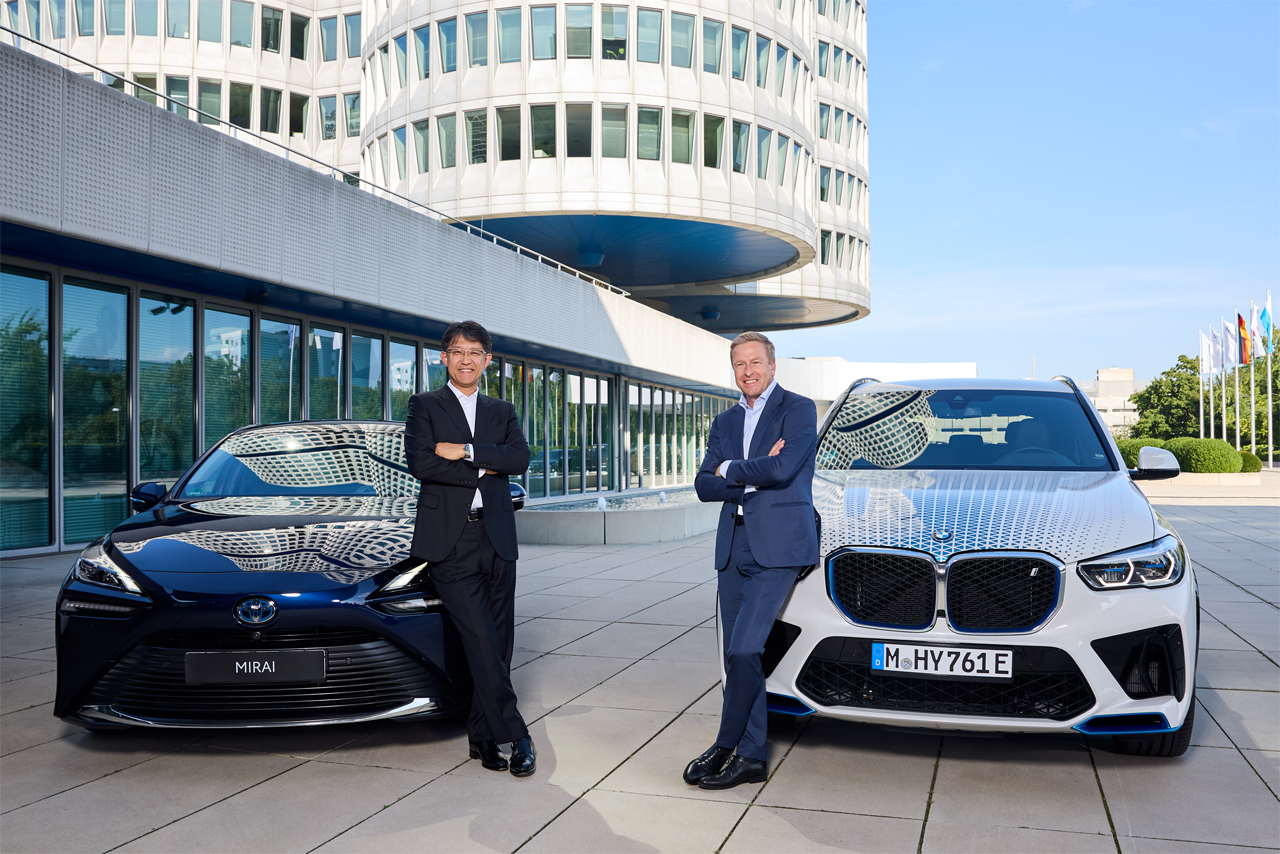
Today, the BMW Group and Toyota are jointly developing a hydrogen powertrain for passenger cars. Its fuel cell technology is based on third-generation individual cells and offers synergies for both commercial and passenger vehicles. Working closely together, the two partners also benefit from synergies in development and procurement, enabling them to create models that befit their respective brands.
The new hydrogen tank -
smart storage, more range.
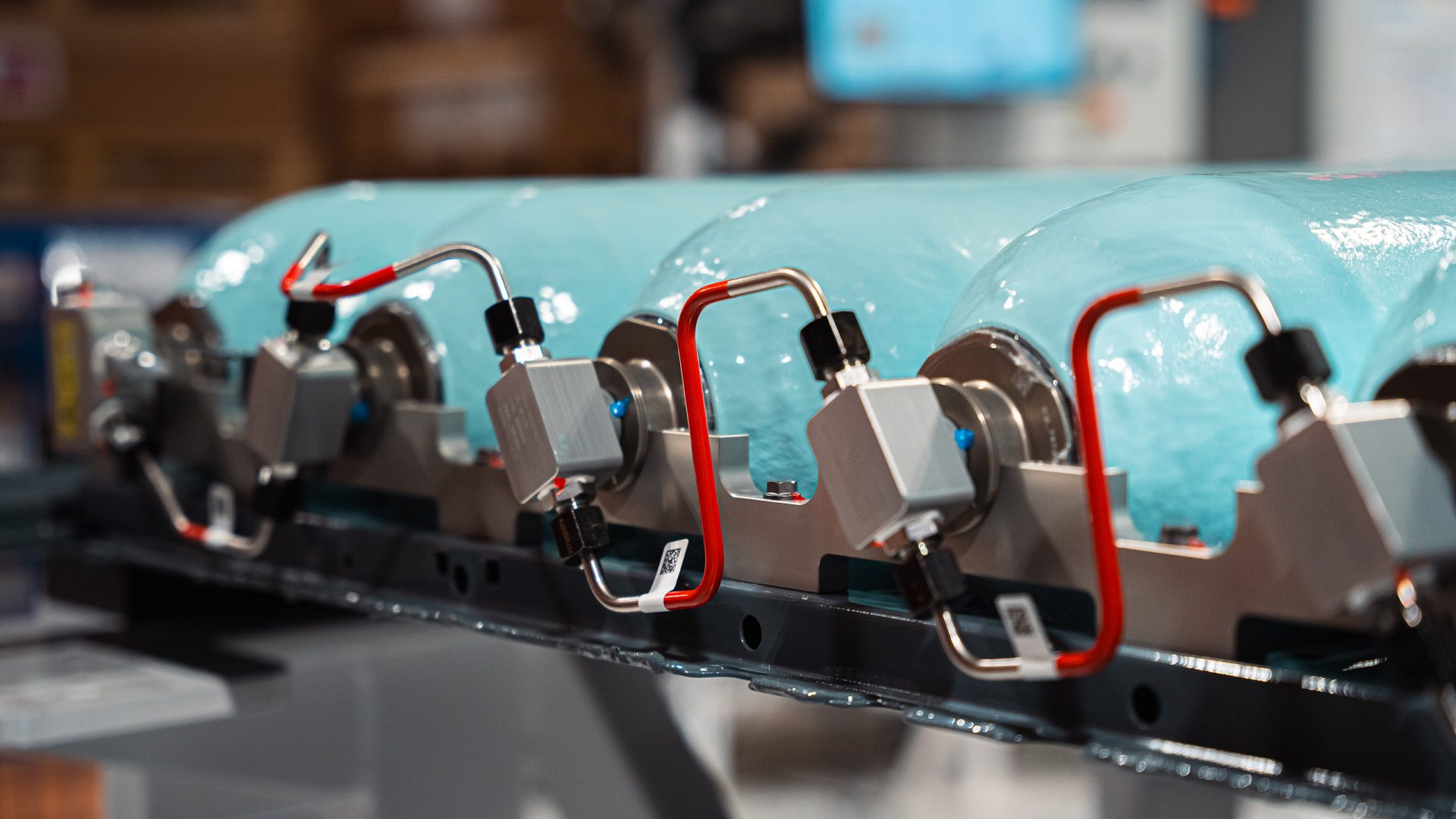
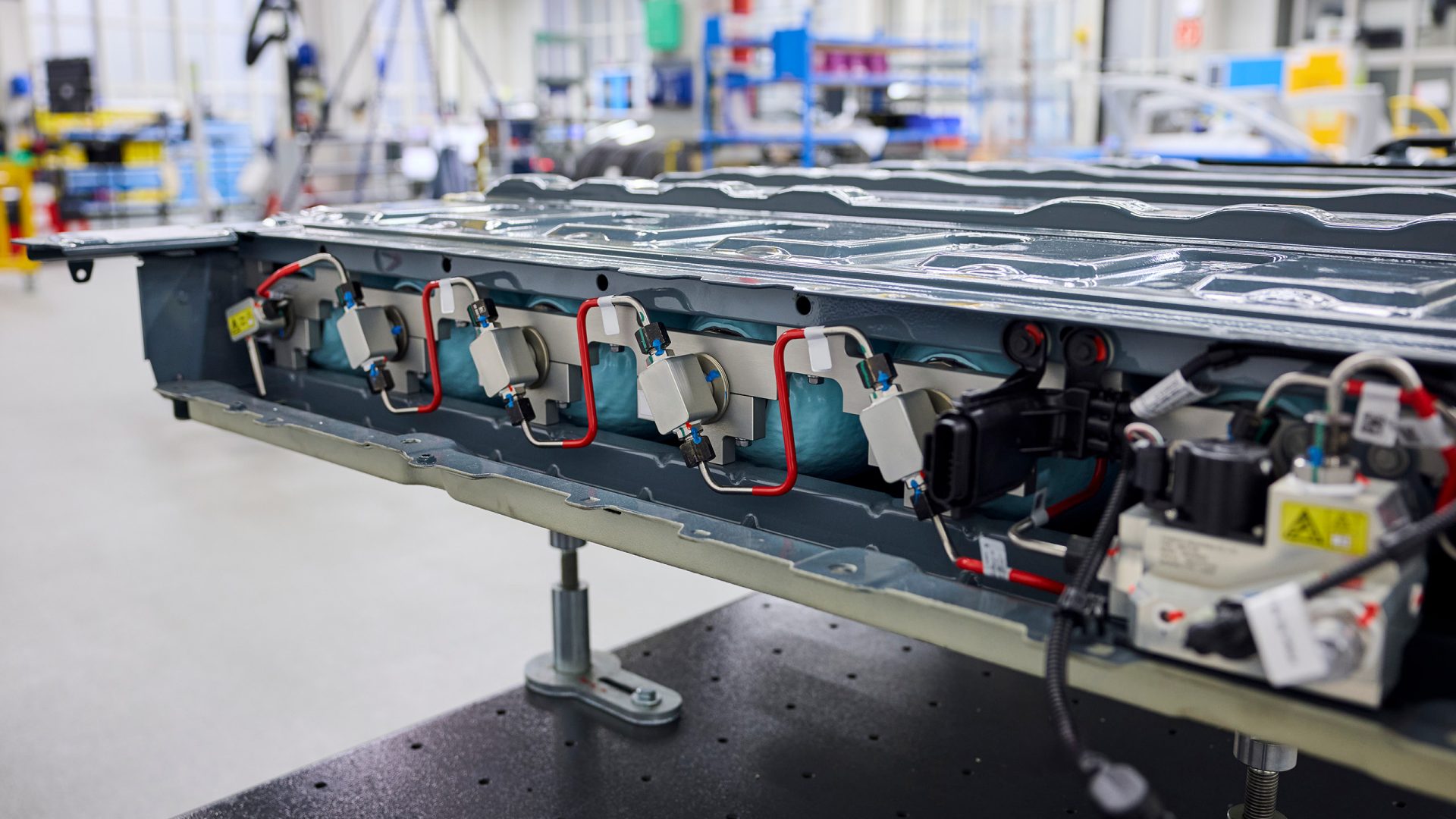
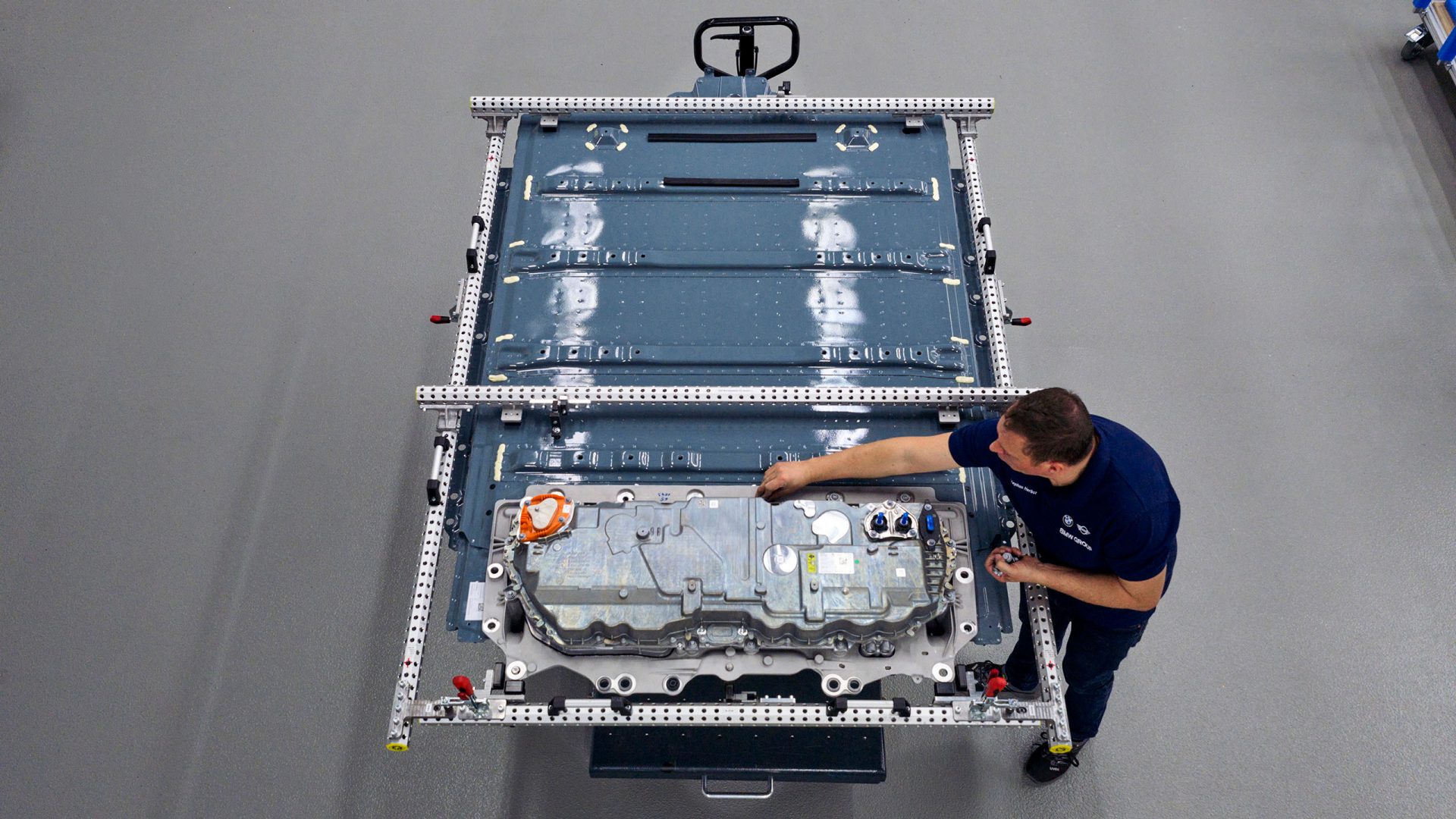
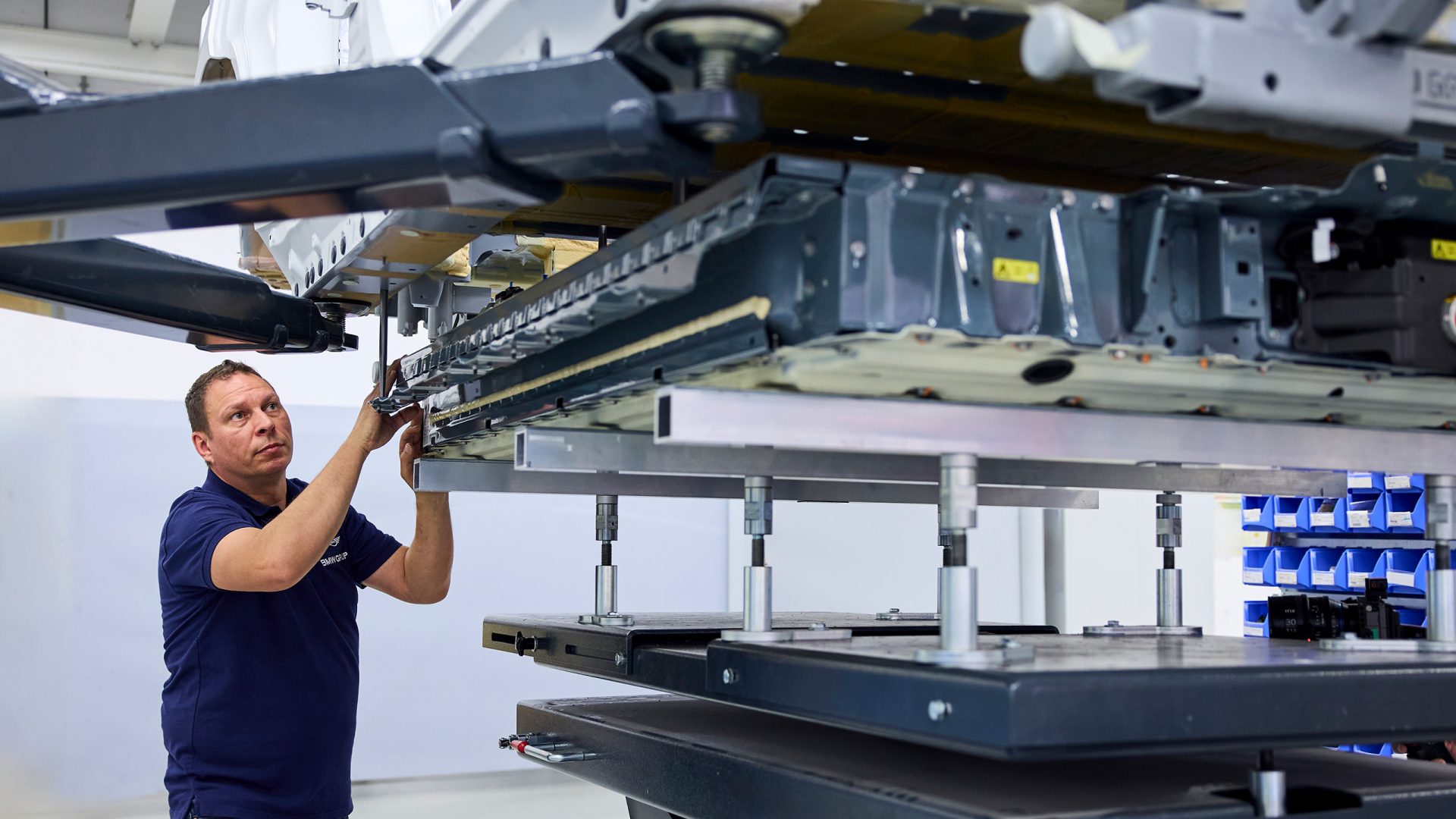
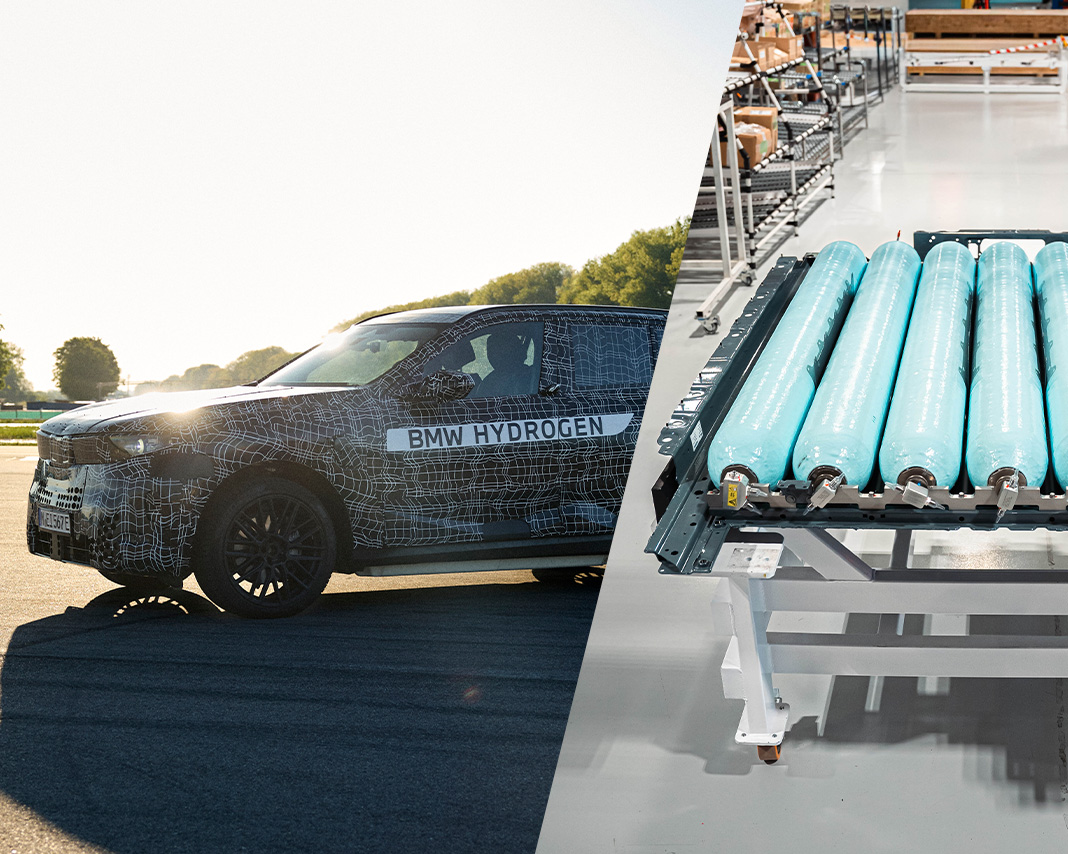
The road to series production is often decided by details: With the new BMW Hydrogen Flat Storage Tank the BMW Group is making targeted progress on a key component of the BMW iX5 Hydrogen . The new arrangement and size of the tanks enable a higher range of up to 750 kilometers1. The new BMW Hydrogen Flat Storage system offers the added advantage of making exceptionally efficient use of the space it occupies in the vehicle and is compatible with the Gen6 high-voltage battery, meaning that no room is lost inside the cabin. Models with fuel cell technology can therefore be built on the same production line as those with other drive system types. The 700 bar high-pressure hydrogen tanks additionally benefit from the mechanical protection provided by the vehicle structure, further increasing safety.
The new flat tank system consists of seven high-pressure tanks made of carbon-fibre reinforced composite, which are connected with one another in parallel and integrated into a robust metal frame. What makes the design special is that, instead of individual pressure vessels, there are several chambers connected to form an enclosed unit. This unit is controlled by a central main valve. In this way, the optimised storage concept enables the BMW iX5 Hydrogen to achieve a greater range.
The system is able to store at least seven kilograms of hydrogen in total and can be filled from empty in under five minutes—refuelling is safe, clean and fast.
Funding information.
Through the "HyPowerDrive" project the development of the powertrain and the tank system of the BMW iX5 Hydrogen is funded by the Federal Ministry of Transport (BMV) within the framework of the IPCEI Hy2Move. The federal government is providing funding of EUR 191 million. In addition, the project is (co-)financed by the state of Bavaria with a total of EUR 82 million. The funding is implemented by the Project Management Jülich (PtJ) and coordinated by NOW GmbH.
1 CO2 emissions & consumption.
As this is a prototype in the development phase, the statutory WLTP consumption data (and EPA) is not yet available.
From pilot to series:
The new BMW iX5 Hydrogen.
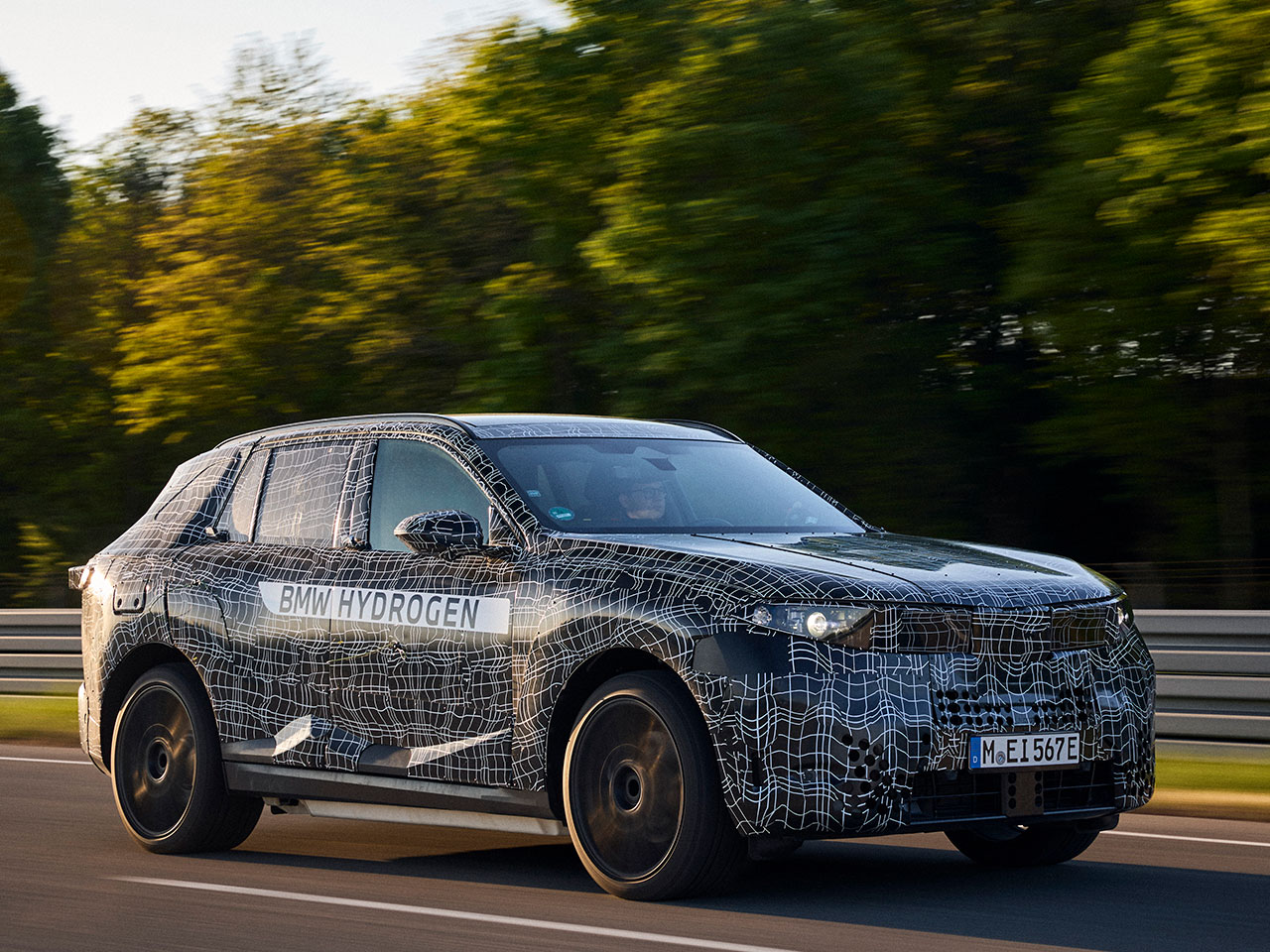
Having successfully tested its pilot fleet worldwide, the BMW Group is now preparing to launch its first mass-produced hydrogen. Scheduled for 2028, the new BMW iX5 Hydrogen will feature drive technology based on the third-generation fuel cell system co-developed by the BMW Group and Toyota. This system is more compact, more efficient and more powerful than previous generations.


Longstanding partnership –
BMW and Toyota drive hydrogen mobility.
In September 2024 the BMW Group and the Toyota Motor Corporation announced plans to intensify their longstanding collaboration. By combining their innovations and expertise, the two companies are now set to bring a new generation of fuel cell drive technology to the road.
Pilot fleet on the road worldwide –
Everyday capabilities proven over millions of kilometres.
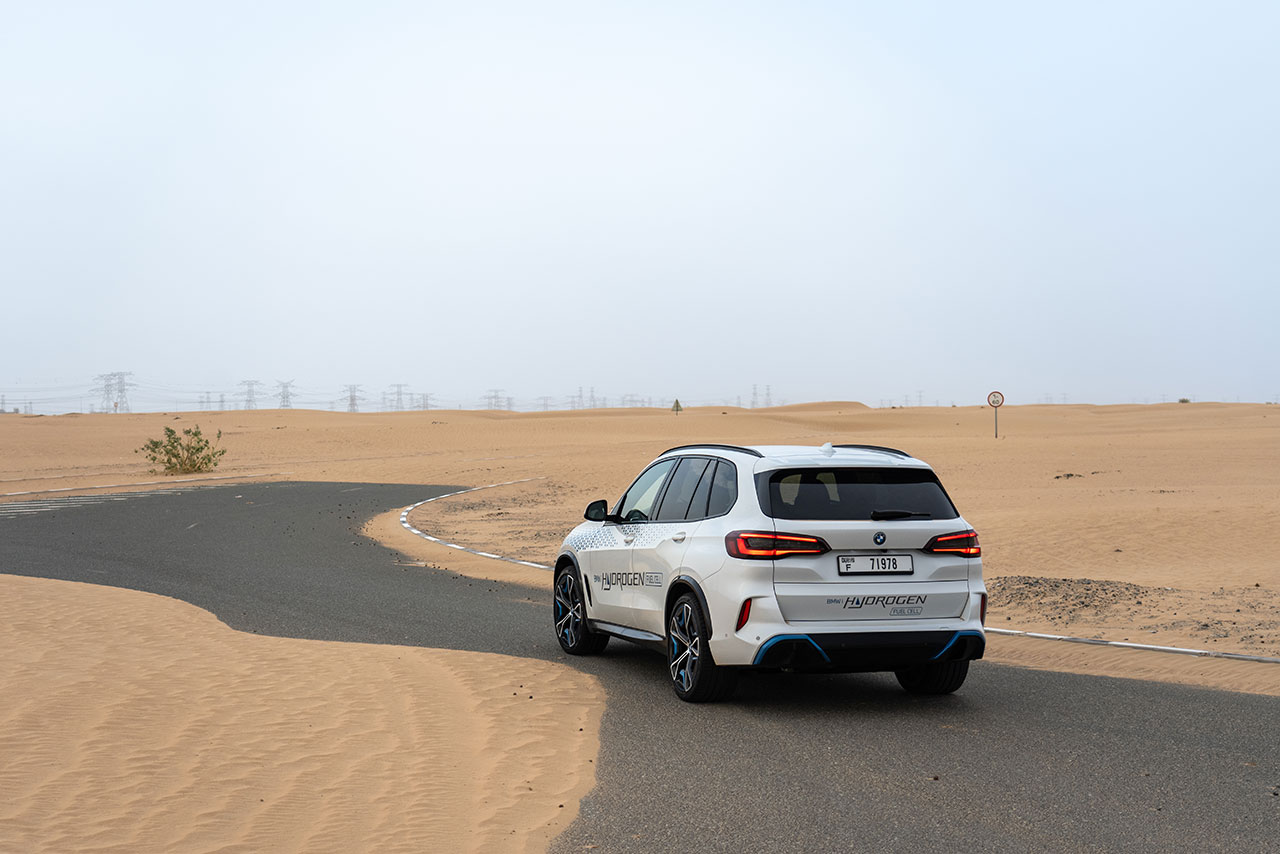
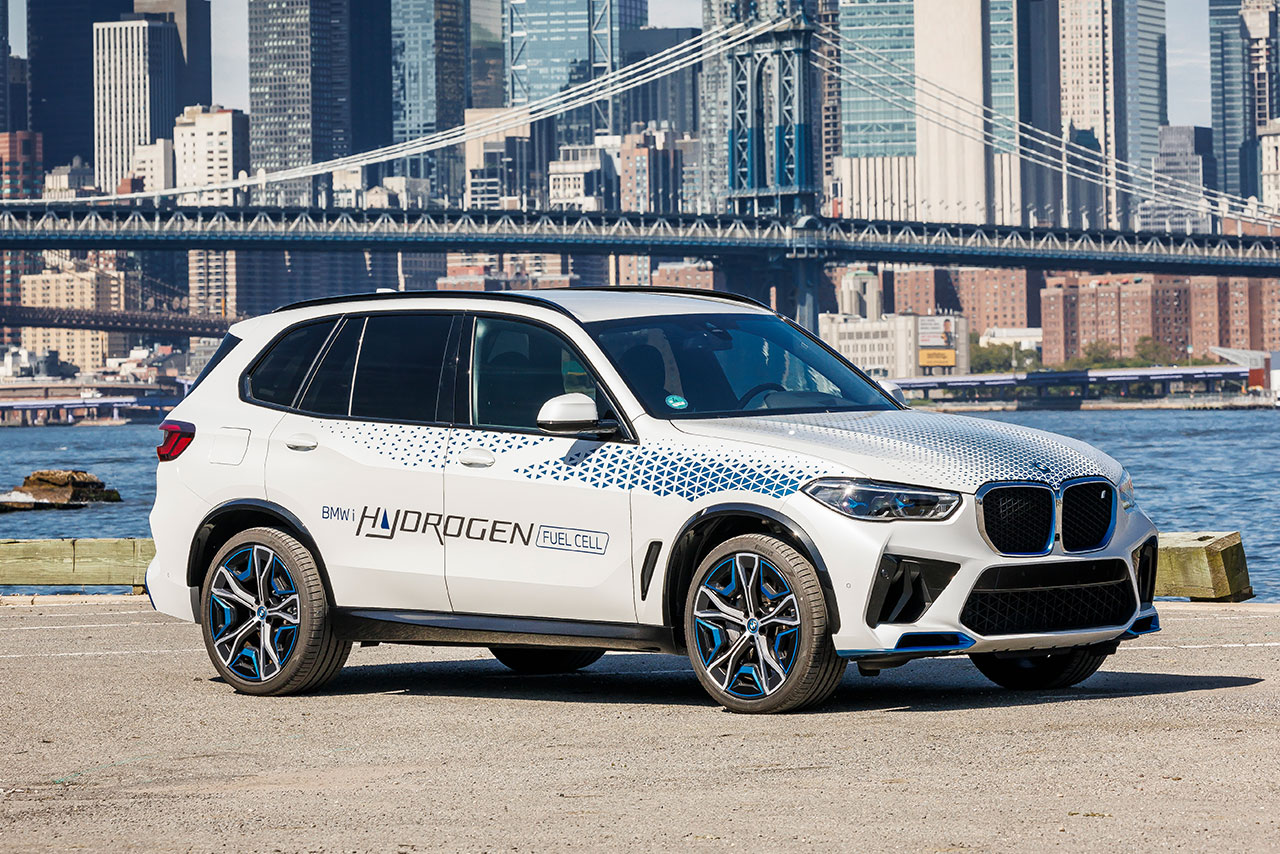
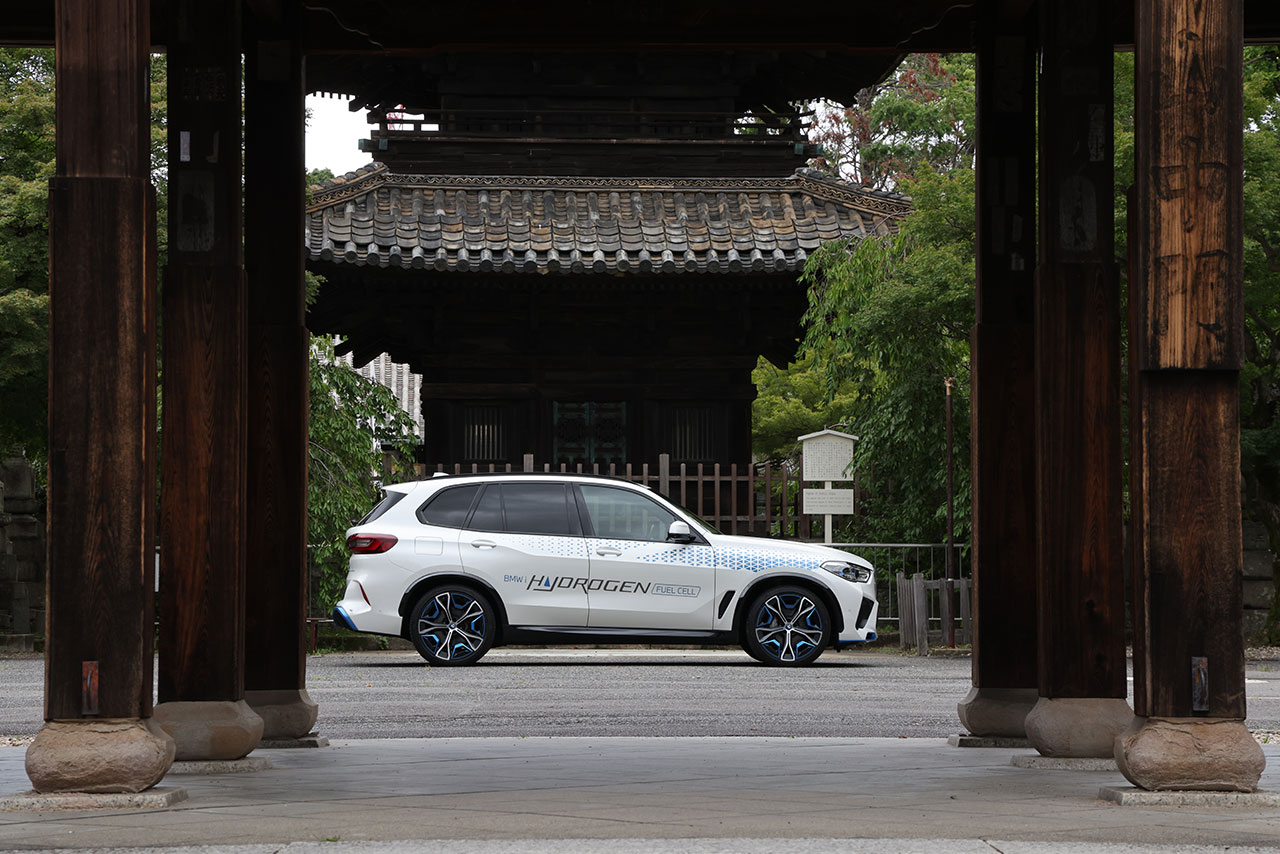
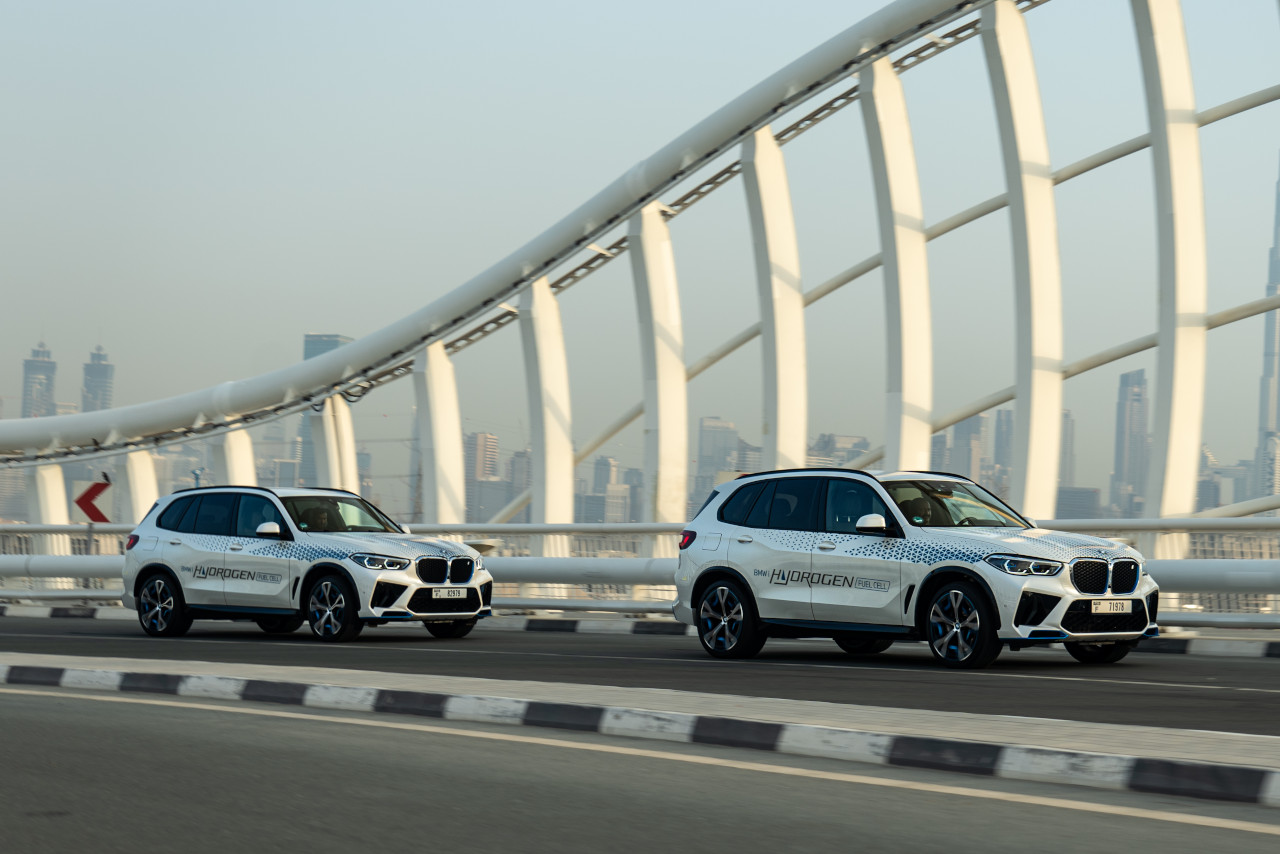
Since 2023 the BMW iX5 Hydrogen pilot fleet has been on the road in selected regions worldwide, showcasing its technology and testing performance in diverse climates and terrains. So far, the cars have impressively withstood temperatures of up to 45°C as well as sand, dust, varying inclines and different humidity levels.
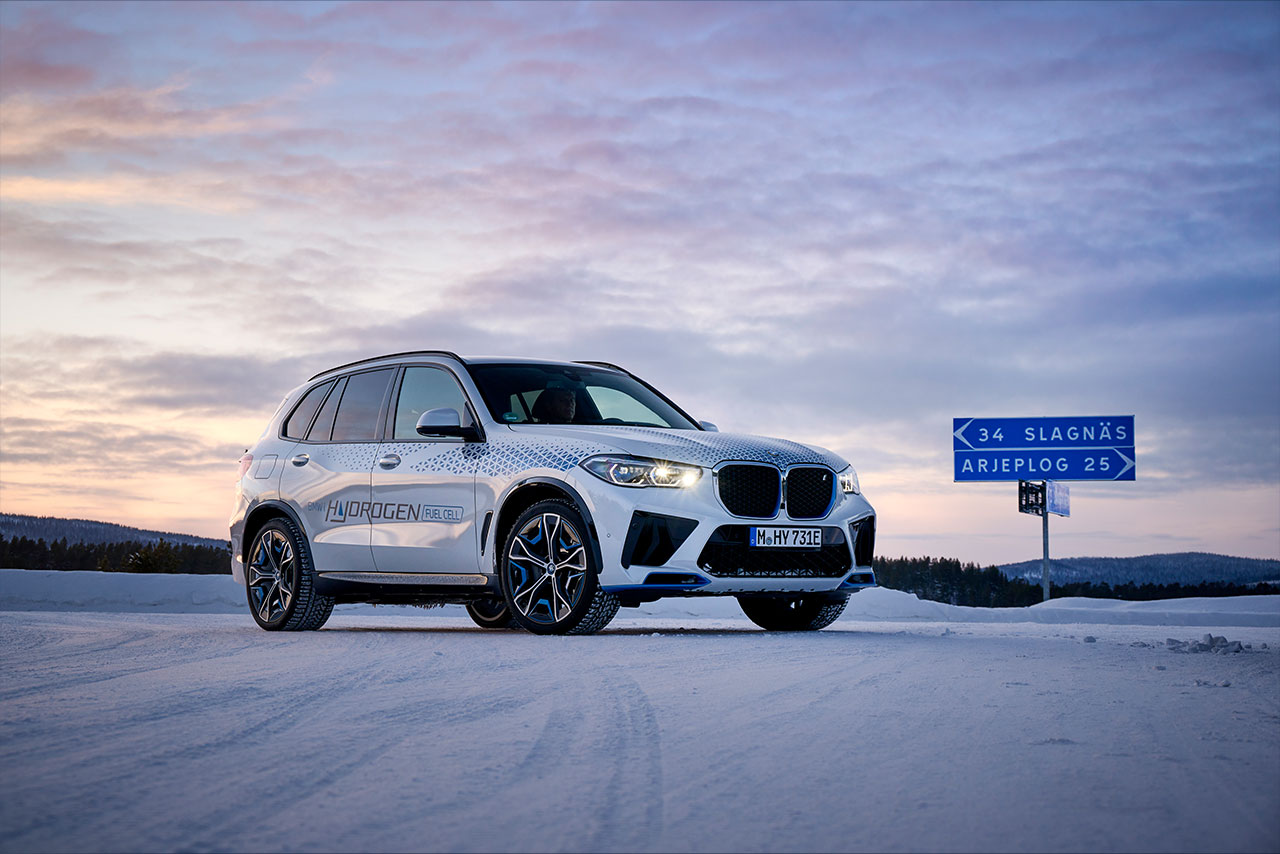
The hydrogen fuel-cell drive also performed on a par with the conventional combustion engine in the extreme cold: full system performance was available shortly after start-up, and range remained unaffected by the biting temperatures.
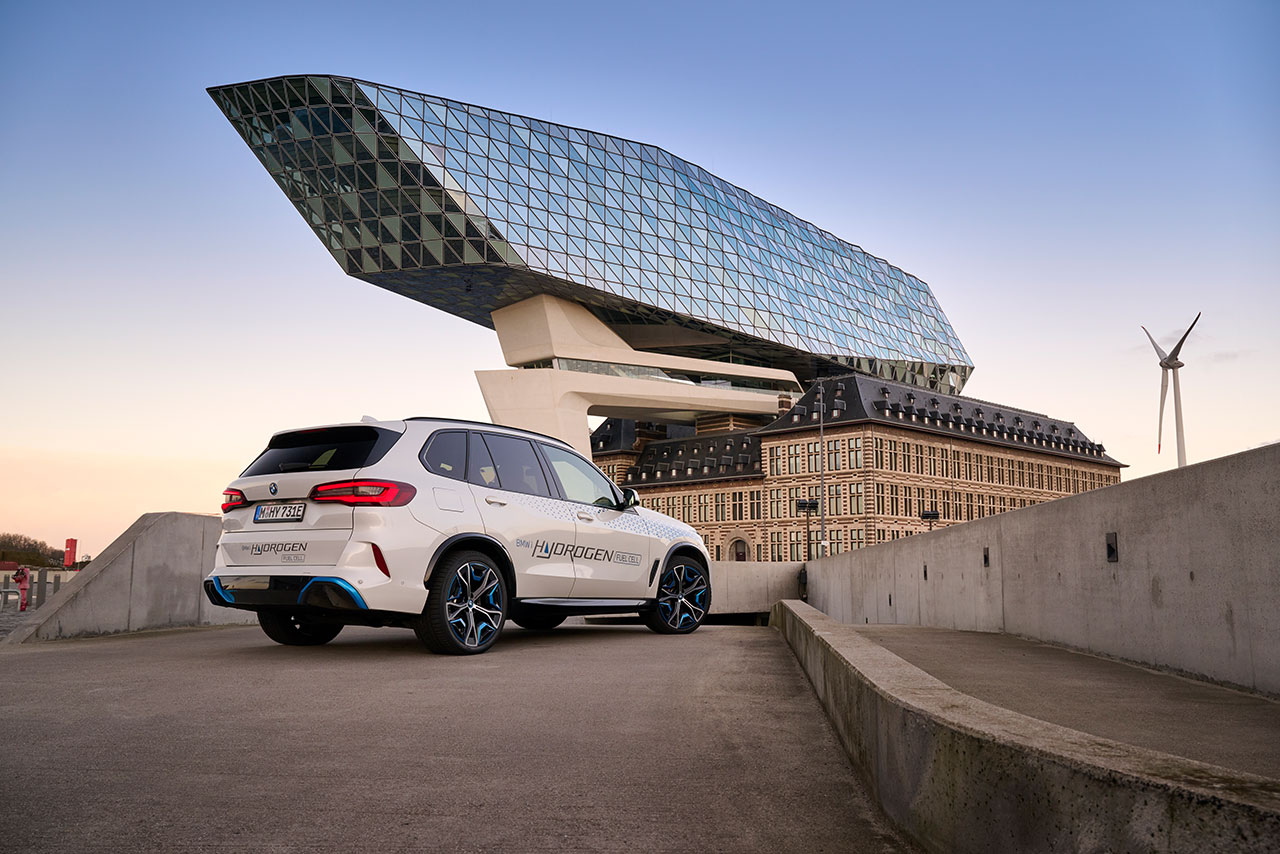
So far, the pilot fleet has travelled through more than 20 different countries including many in Europe as well as Japan, Korea, China, Australia, South Africa and the USA. It has also set an important milestone, clocking up over one million test kilometres.
Insights from the tests have fed into the development of the new BMW iX5 Hydrogen, scheduled to launch in 2028. In addition, the results confirm that hydrogen-powered vehicles offer a viable alternative for everyday driving.
Future refuelling.
Refuelling a hydrogen car is much like refuelling a petrol or diesel vehicle: a complete refill takes just a few minutes. For drivers who cover long distances, fast refuelling offers clear advantages over recharging a battery-electric car. That’s why the BMW Group supports the development not only of the electric charging network but also of the hydrogen infrastructure.
The HyMoS Initiative:
Partnership for a stronger hydrogen infrastructure.
Alongside developing the new BMW iX5 Hydrogen, BMW is actively involved in establishing hydrogen filling stations. As part of this commitment, the HyMoS (Hydrogen Mobility at Scale) initiative was launched – a collaboration between multiple industry partners and institutions aimed at advancing the ecosystem for hydrogen mobility. The initiative seeks to make systems more economically viable by introducing a standardised solution that meets demand from all types of vehicles, including trucks, buses and passenger cars. This approach enables hydrogen filling stations to be optimally distributed and utilised.
HyMoS supports existing projects as they evolve, efficiently consolidate demand and optimise hydrogen station operations. A pilot programme has been launched to strengthen existing ecosystems in Germany and France and gather valuable insights for expansion into urban areas – and potentially other countries as well.
The BMW Group’s holistic approach:
Hydrogen in production and logistics.


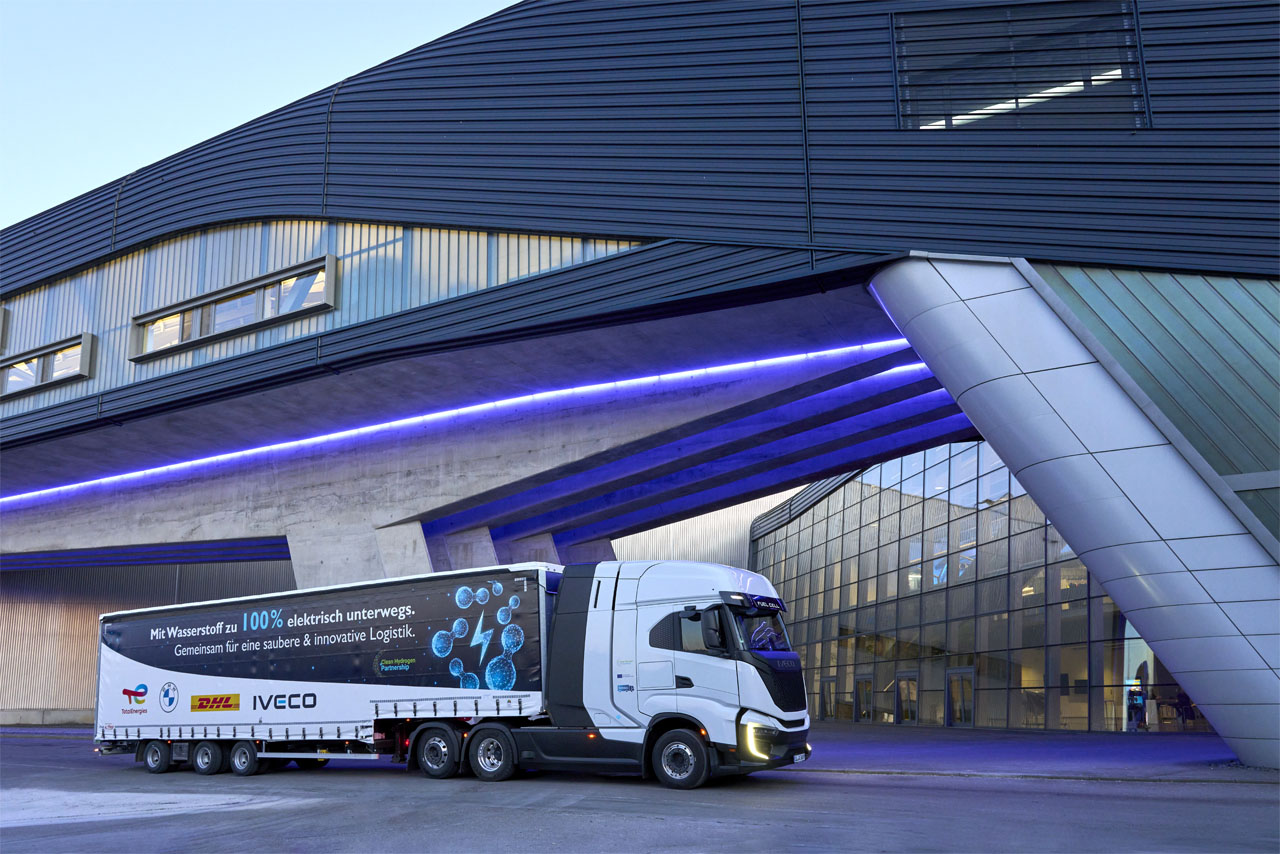
The BMW Group has using hydrogen to power plant logistics for more than ten years. In 2013 we set up Germany’s first indoor filling station at Plant Leipzig. Together with our partners, we also use hydrogen beyond the factory gates as part of our efforts to decarbonise transport logistics. The BMW Group is involved in research projects such as H2HAUL and HyCET and is trialling the use of hydrogen in vehicle production in the paint shop at Plant Leipzig.
In the future, the plant in Leipzig will be connected to a hydrogen pipeline approximately 2 km long, which will supply the plant with hydrogen via a core network from mid-2027 onwards. This will replace traditional hydrogen delivery by truck with an industrial pipeline – a globally unique step in automotive production.